
Key Takeaways
- Treat Builds as Healthcare Facilities: Mobile units are mobile medical centers, not standard vehicle conversions; failure to build to clinical standards causes severe operational delays and compliance issues.
- Prioritize Custom CAD Design: Avoid rigid, template-based builds. Work with manufacturers offering collaborative 3D CAD modeling to optimize clinical workflows and patient flow.
- Match Layouts to Specialties: Verify capabilities for specialized clinical needs, including soundproof behavioral health rooms, diagnostic lab setups, primary care spaces, or telemedicine infrastructure.
- Invest in Heavy-Duty Commercial Foundations: Ensure units utilize sturdy commercial platforms (such as Ford) with sizing options (26–40 ft.) rated for proper Gross Vehicle Weight Rating (GVWR) to prevent downtime.
- Require Multi-System Redundancy: Units must include backup power sources (generators, shore power, lithium batteries), medical-grade HVAC, and cellular/satellite internet for constant Electronic Health Record (EHR) access.
- Ensure Strict Regulatory Compliance: Prioritize built-in ADA accessibility features (wheelchair lifts), non-porous surfaces for infection control, and manufacturer familiarity with federal grant guidelines (e.g., HRSA).
Expanding healthcare access through mobile outreach is one of the most effective strategies for hospitals, health systems, and non-profits aiming to bridge care gaps in underserved communities. However, the long-term operational success of a mobile health program depends almost entirely on the quality and engineering of the vehicle itself.
Many healthcare teams fall into the trap of viewing a mobile clinic as a standard vehicle conversion or a quick aftermarket retrofit. In reality, a mobile medical clinic is a fully functional healthcare facility on wheels. Choosing the wrong manufacturing partner can lead to severe operational delays, non-compliance with health codes, frequent mechanical downtime, and costly structural repairs.
To ensure your investment delivers seamless patient care for years to come, evaluate prospective manufacturers against these five essential criteria before moving forward.
1. Personalized Consultation & Custom Engineering (Not Template Builds)
Clinical workflows inside a 36-foot vehicle are vastly different from those in a traditional brick-and-mortar facility. Assembly-line manufacturers that rely on rigid, cookie-cutter templates often force healthcare providers to adapt their clinical care to a pre-set floor plan.
What to Look For
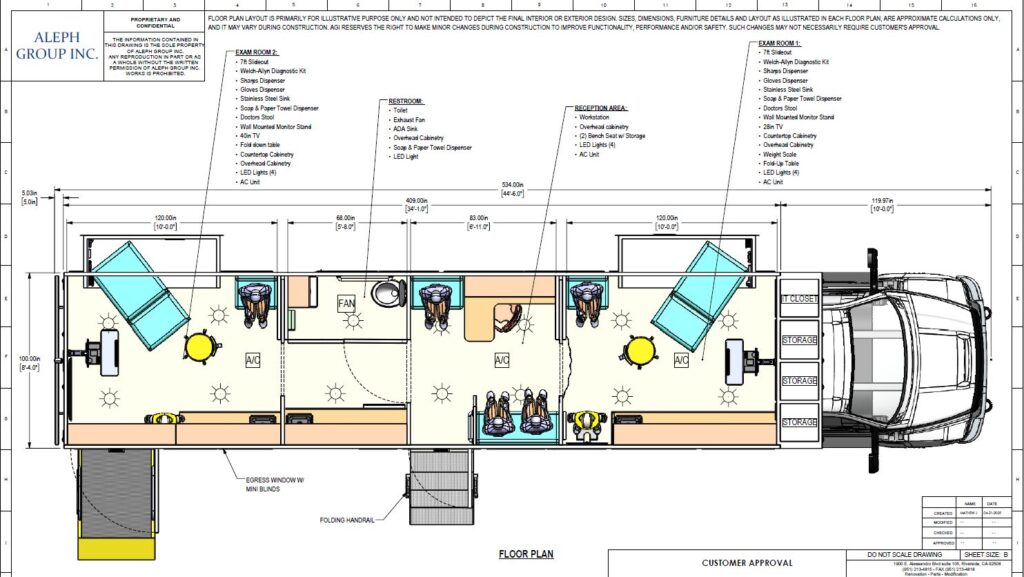
- Collaborative Design Process: Your manufacturer should begin with an in-depth consultation process to understand your patient volume, staffing ratios, and clinical goals before drafting blueprints.
- 3D CAD Layout Planning: Ensure the engineering team provides interactive 3D layout renderings so you can visualize patient flow, equipment placement, and workspace ergonomics.
- Purpose-Built Focus: Choose a specialty vehicle partner like AGI that engineers purpose-built units from the ground up rather than retrofitting existing a commercial vehicle.
2. Customization for Specific Healthcare Specialties
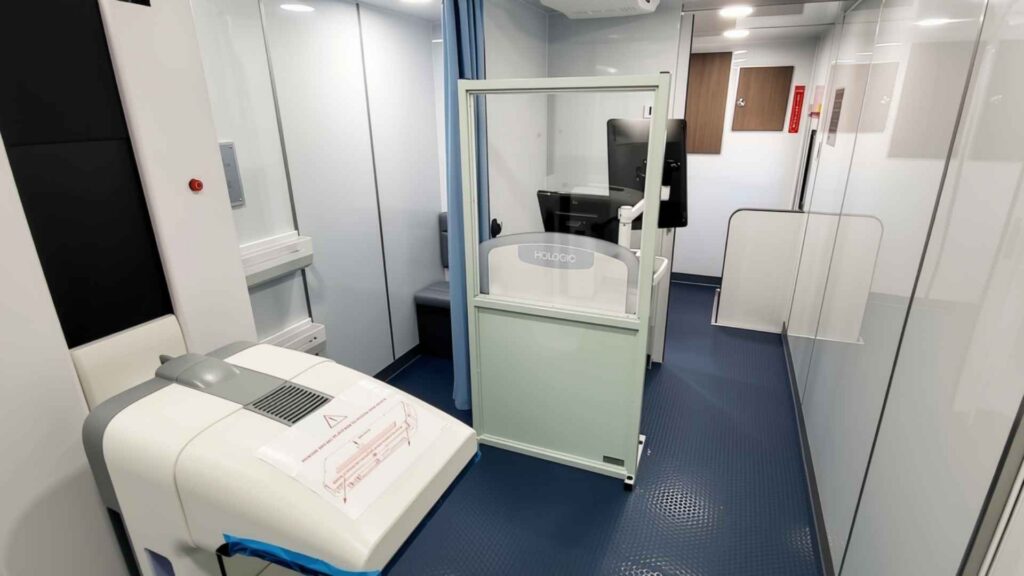
A primary care mobile unit requires spatial, acoustic, and technical considerations that differ significantly from a mobile dental trailer or a behavioral health consultation space. A qualified manufacturer must demonstrate experience building specialized environments across multiple healthcare disciplines.
Key Specialty Capabilities to Evaluate
- Primary & Urgent Care: Layouts featuring dedicated triage desks, intake areas, and private exam rooms equipped for routine clinical evaluations.
- Behavioral Health & Counseling: Soundproof consultation spaces designed to guarantee patient privacy, non-institutional aesthetic finishes, and comfortable seating environments.
- Mobile Diagnostics & On-Site Labs: Dedicated clinical areas built to house centrifuges, specimen refrigeration, blood draw stations, and rapid diagnostic equipment to eliminate patient wait times.
- Telemedicine Suites: Integrated network infrastructure and audio-visual setups that enable remote specialist consultations in rural or isolated regions.
3. Heavy-Duty Commercial Chassis & Sizing Flexibility
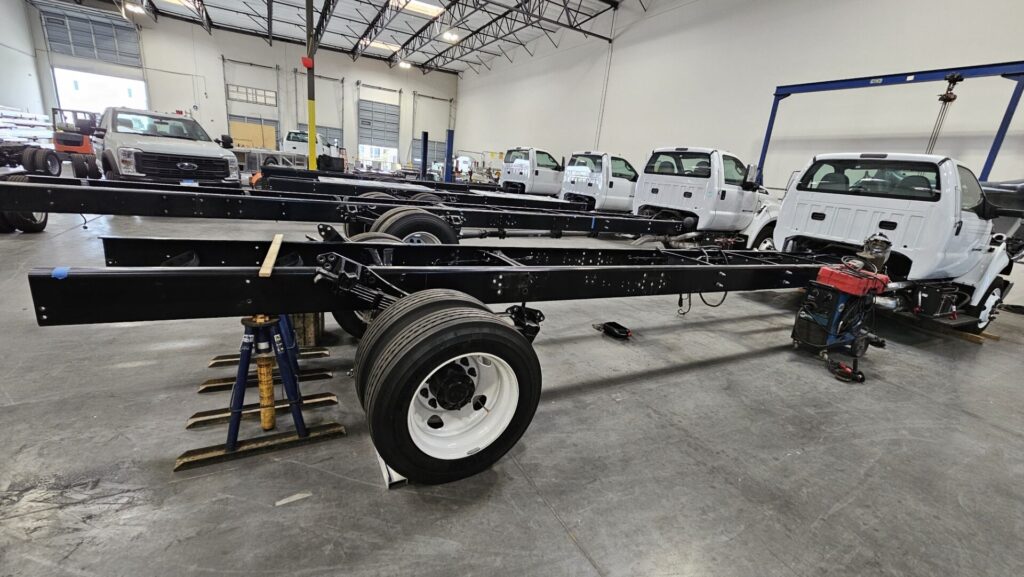
Unplanned mechanical downtime directly disrupts patient care schedules and compromises community trust. The vehicle’s structural foundation must be heavy-duty enough to sustain continuous daily deployment across urban streets and rugged rural roads alike.
Technical Considerations
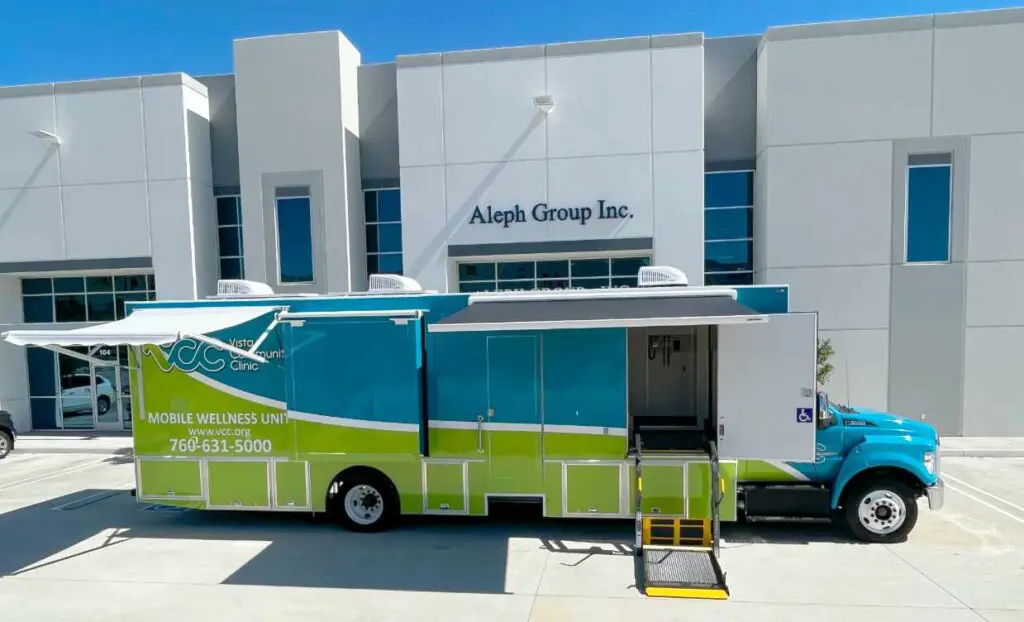
- Commercial Platform: Look for manufacturers that build on trusted commercial foundations, such as a heavy-duty Ford chassis platform, engineered to support heavy medical equipment loads.
- Sizing Options (26 ft. to 40 ft.): Ensure the manufacturer offers a range of vehicle lengths. A compact 26-foot unit offers greater maneuverability in tight urban settings, while a 40-foot unit accommodates multi-room clinical operations and larger care teams.
- Gross Vehicle Weight Rating (GVWR): Confirm that the chassis and suspension systems are calculated to carry clinical interiors, generator units, onboard liquid storage, and patient loads without exceeding legal payload capacities.
4. Advanced Onboard Technology, Power Systems & HVAC Redundancy
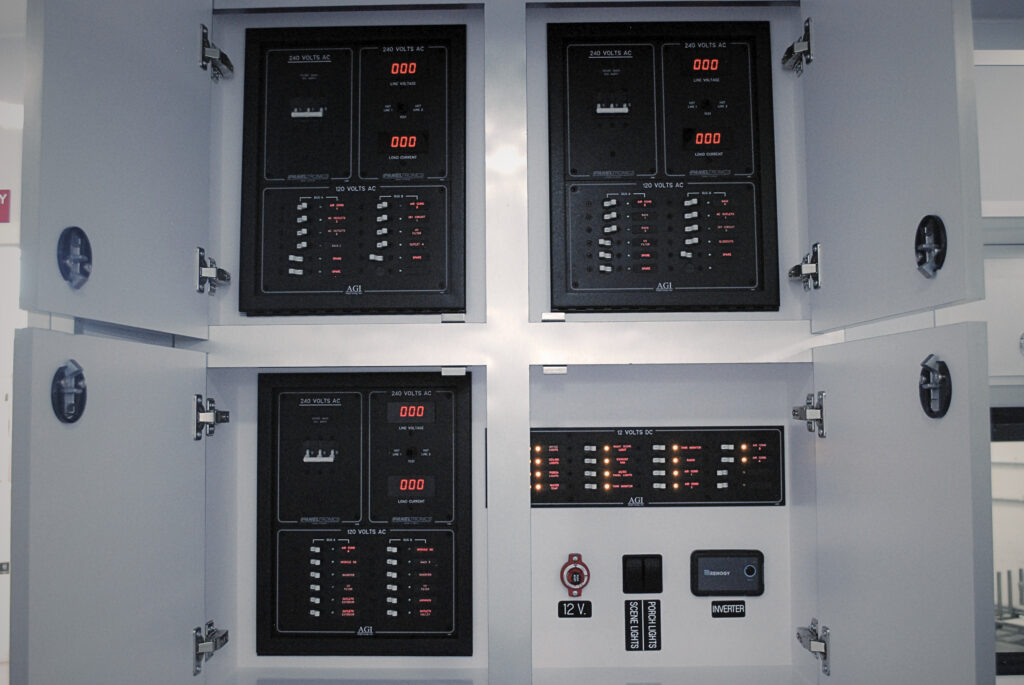
Mobile medical clinics rely on continuous electrical power and precise environmental controls to protect sensitive medical supplies, power diagnostic equipment, and maintain Electronic Health Record (EHR) connectivity.
Critical Systems to Verify
- Power Redundancy: Units should feature multi-source power setups, including shore power hookups, heavy-duty commercial generators, and auxiliary lithium battery systems.
- Medical-Grade HVAC Systems: Climate control must be engineered to maintain stable indoor temperatures during extreme summer heat or winter cold while maintaining required air exchange rates.
- Data Connectivity: Onboard cellular boosters and satellite internet capabilities allow providers to access EHR systems, process lab data, and conduct telehealth visits without signal interruption.
5. ADA Accessibility, Health Code & Infection Control Compliance
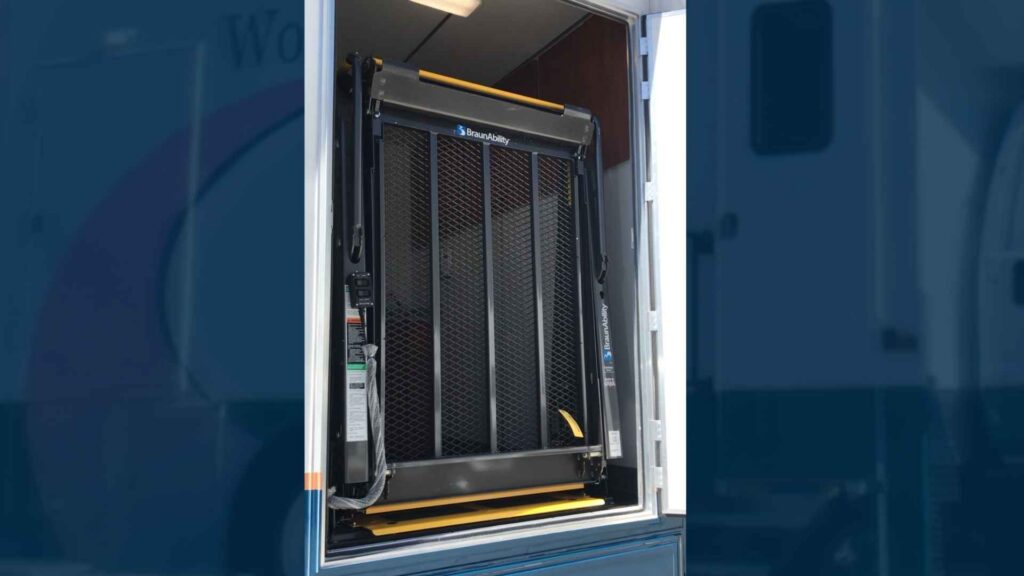
Failing to meet state health department regulations or federal accessibility laws can result in immediate shutdown or the forfeiture of program grant funding.
Regulatory Checklist
- ADA Accessibility: Every unit should feature commercial-grade wheelchair lifts, wide entryways, low-profile steps, and accessible restroom options.
- Infection Control Standards: Interiors must utilize medical-grade, non-porous surfaces, solid-surface countertops, and seamless flooring designed for rapid sanitization between patient visits.
- Grant & Regulatory Experience: Work with a manufacturer familiar with federal standards, such as HRSA Health Center Program and New Access Points grants, to simplify equipment documentation during procurement.
Partner with an Engineering Expert
Selecting the right manufacturer comes down to choosing a long-term engineering partner. One that prioritizes structural integrity, regulatory compliance, and patient-centered clinical workflows.
Ready to design a mobile unit tailored to your organization’s unique mission? Contact Aleph Group Inc. to schedule a consultation with our specialty vehicle engineering team.
Frequently Asked Questions (FAQ)
Q: What is the typical lead time for manufacturing a custom mobile medical clinic?
A: Manufacturing timelines vary based on vehicle size, layout complexity, and specialized equipment integration. On average, custom builds take several months from final 3D CAD design approval to delivery. Engaging with an engineering team early helps align production schedules with grant funding deadlines or targeted program launch dates.
Q: Do drivers need a Commercial Driver’s License (CDL) to operate a mobile clinic?
A: It depends on the vehicle’s Gross Vehicle Weight Rating (GVWR). Many 26-foot to 33-foot mobile clinics are engineered under the 26,000 lbs. GVWR threshold, allowing standard staff members with a valid driver’s license to operate them. Larger 40-foot units or specialized heavy chassis models may require a CDL.
Q: How do mobile clinics handle power and climate control during full-day deployments?
A: Purpose-built clinics utilize multi-source power redundancies. They rely on heavy-duty commercial generators, shore power hookups for plugging directly into a facility, and auxiliary lithium battery banks. This guarantees continuous electricity for diagnostic tools, vaccine refrigeration, and medical-grade HVAC systems regardless of external weather conditions.
Q: Can custom mobile medical units qualify for HRSA and federal healthcare grant funding?
A: Yes. Vehicles built to federal health codes, ADA accessibility standards, and infection control requirements fully align with capital equipment guidelines for federal funding programs, such as HRSA Health Center Program grants and New Access Points (NAP) funding.
Q: How are medical equipment and patient data secured while on the road?
A: Mobile units are equipped with commercial-grade security locks, reinforced interior mounting hardware, and climate-controlled storage for sensitive diagnostics and pharmaceuticals. For electronic health records (EHR), onboard cellular boosters and satellite systems maintain secure, HIPAA-compliant data transmission in real time.