Built to Last or Built to Fail? Mobile Clinic Weight Distribution and Structure

Many organizations look at retrofitting a pre-existing vehicle like an RV or a transit bus to save on upfront costs, but these conversions frequently introduce massive long-term liabilities. Before you invest your capital or grant funding, you need to know exactly how a vehicle’s chassis, weight distribution, and platform design impact your clinic’s safety and lifespan. In this article you will learn about these 3 important factors that should impact your decision-making:
- Premature Frame Fatigue: Light-duty recreational frames often warp or bend under continuous road stress and heavy medical payloads.
- Dangerous Axle Overloading: Adding heavy clinical gear after a vehicle is built throws off the center of gravity, causing severe suspension strain and poor braking control.
- The Tail-Swing Trap: Forcing a clinic layout onto a stock vehicle wheelbase often results in an excessive rear overhang, making tight urban navigation a hazardous driving experience.
When launching a mobile healthcare program, most organizations focus on floor plans, medical equipment, and branding. It makes sense – these are the elements that directly touch your patients.
However, behind every successful mobile program is a fundamental engineering reality that determines whether your investment lasts for two years or twenty: the vehicle’s structural foundation.
When evaluating options, organizations generally look at two distinct manufacturing paths:
- Purpose-built vehicles engineered from the ground up for medical utility.
- Converted (retrofitted) platforms, such as recreational vehicles (RVs), commercial transit buses, or standard cargo vans.
While converted units are often considered for their perceived upfront availability, they frequently introduce hidden risks to vehicle stability, safety, and long-term operating costs. Let’s break down the technical engineering realities of weight, structure, and platform design.
1. Structural Integrity and Longevity

Mobile medical clinics are subjected to intense, daily operational stress. Unlike a recreational vehicle that spends most of its life parked at a campsite, a mobile clinic is constantly on the move, navigating urban potholes, highway speeds, and varied terrain.
The Converted Approach
Converted vehicles – particularly RVs – are structurally designed for light, residential-style recreation. Their frames utilize lighter-gauge materials optimized for occasional use. When you retrofit these vehicles with heavy medical assets (such as digital imaging equipment, dental chairs, built-in cabinetry, and lead shielding), you push the frame to its absolute limit. Over time, this constant road stress leads to:
- Premature frame fatigue and metal bending.
- Interior wall warping and cabinet separation.
- A drastically shortened vehicle lifespan, erasing any initial cost savings.
The Purpose-Built Approach
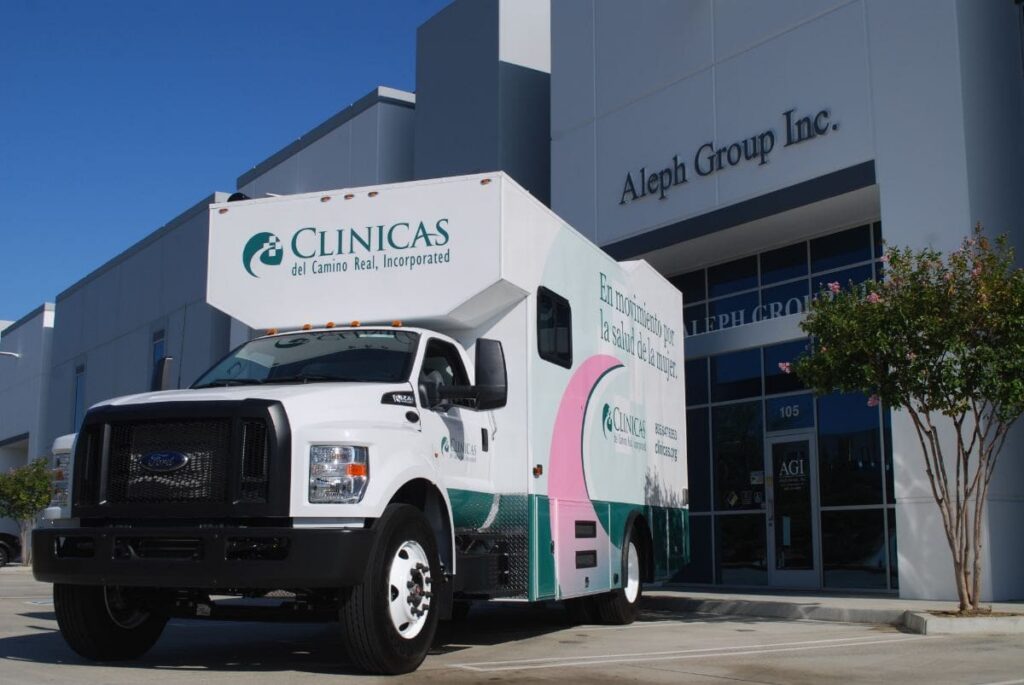
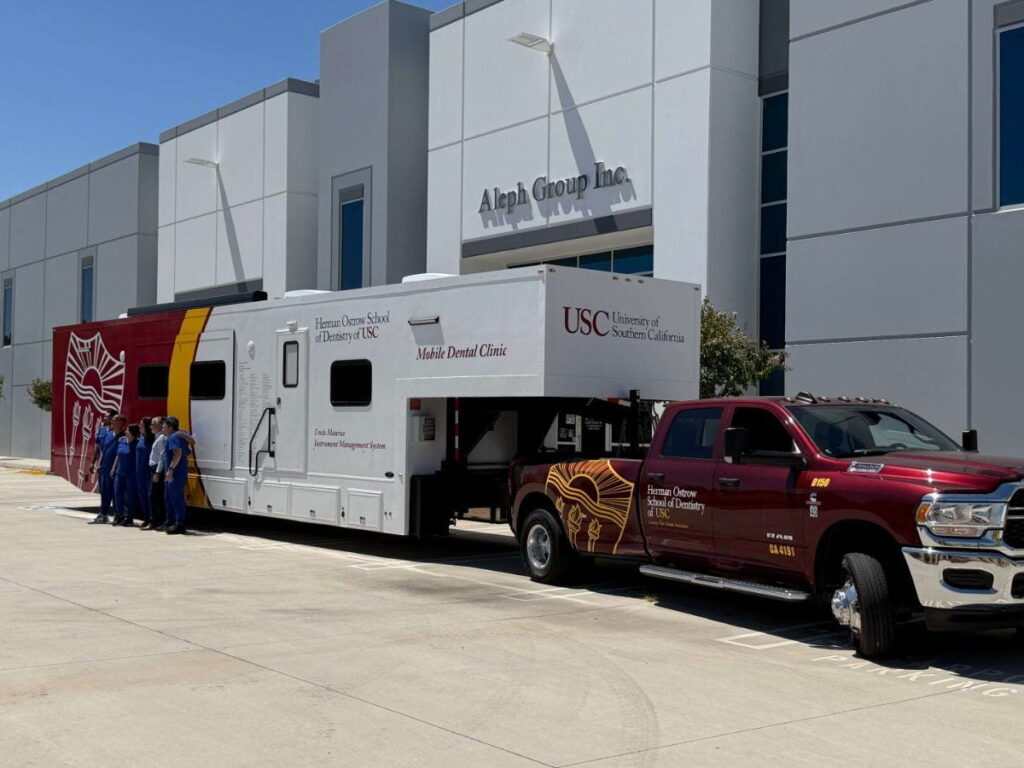
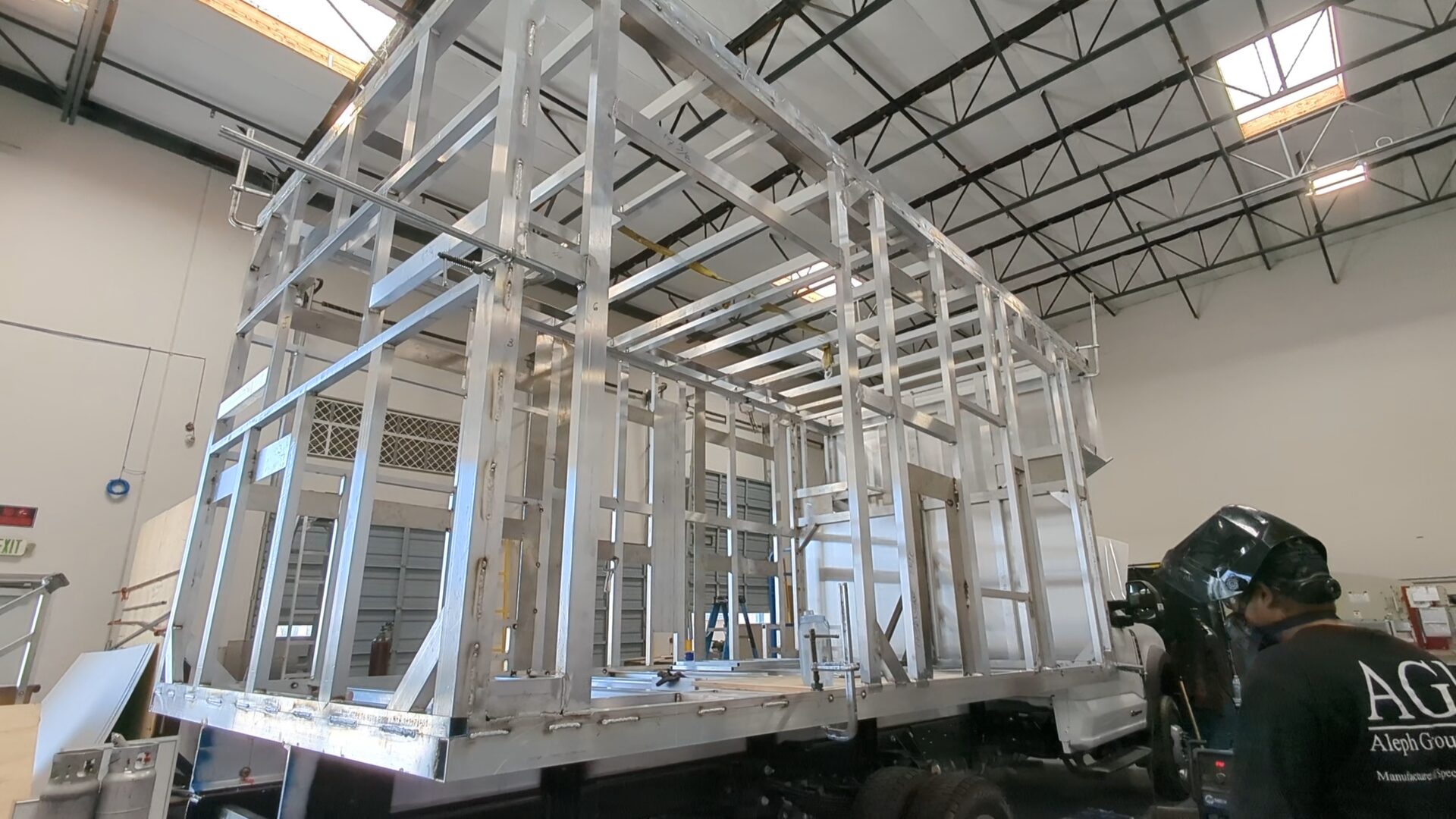
Purpose-built mobile clinics are engineered from raw steel and heavy-duty aluminum specifically to support heavy medical infrastructure. The framing is calculated to withstand continuous, daily commercial deployment. By fabricating the shell and chassis to match the exact payload requirements from day one, the vehicle naturally resists structural wear, ensuring a reliable lifespan that frequently exceeds a decade of service.
2. Weight and Axle Distribution

A mobile clinic carries substantial weight. Beyond the medical gear itself, you must account for commercial power generators, large fresh/wastewater tanks, climate control systems, clinical staff, and patients. How that weight sits on the vehicle is just as important as how much it weighs.
The Converted Approach
In a retrofitted vehicle, equipment is added after the chassis has already been manufactured. Because clinical layouts demand specific placements – like putting a heavy panoramic X-ray machine or a water-dependent dental chair in a precise room – weight distribution becomes an afterthought.
This leads to uneven side-to-side or front-to-rear loading. When axle weight limits are unintentionally exceeded or poorly balanced, the vehicle experiences uneven tire wear, degraded braking performance, and severe suspension strain.
The Purpose-Built Approach
A purpose-built clinic treats weight distribution as a primary engineering metric. Before a single piece of steel is welded, engineers calculate the exact center of gravity based on the final interior layout. Every heavy system – from water tanks to medical devices – is strategically placed to distribute weight evenly across all axles. This precision engineering guarantees that the vehicle remains well within legal federal load limits and operates safely under all driving conditions.
3. Wheelbase and Platform Design

The wheelbase – the physical distance between the front and rear axles – is the foundation of vehicle stability, ride quality, and highway safety.
The Converted Approach
When converting a pre-existing bus or RV, you are completely locked into the original manufacturer’s platform. If the interior layout requires a longer body than the wheelbase was originally designed to support, the converter is forced to create an excessive rear overhang (the length of the vehicle extending past the rear axle).
A massive rear overhang acts like a lever on the vehicle’s suspension. This structural flaw creates:
- Severe tail-swing: Dangerously sweeping into adjacent lanes during tight turns.
- Increased sway and instability: High susceptibility to crosswinds and passing semi-trucks on the highway.
- Driver fatigue: The person behind the wheel must constantly fight the steering wheel to keep the vehicle centered.
The Purpose-Built Approach
In purpose-built manufacturing, the wheelbase is selected specifically to match the physical length and layout of the clinic. The ratio between the wheelbase and the overall vehicle length is kept mathematically optimal. This eliminates excess rear overhang, optimizes the turning radius for tight urban environments, reduces driver fatigue, and provides a smooth, stable ride that protects sensitive internal medical calibration.
Summary: Building on a Solid Foundation
Investing in a mobile clinic is about expanding access to care – reliably. If the vehicle foundation cannot handle the physical demands of the road, your clinical operations will eventually suffer unexpected downtime and costly mechanical repairs.
| Engineering Feature | Converted Vehicles (RVs / Buses) | Purpose-Built Clinics |
| Frame Engineering | Light-duty; prone to premature fatigue under medical payloads. | Heavy-gauge steel/aluminum; fabricated for commercial longevity. |
| Weight Balance | Reactive placement; high risk of uneven axle overloading. | Proactive engineering; systems balanced across axles from the design phase. |
| Wheelbase & Overhang | Restricted to stock platforms; often results in unstable rear overhang. | Custom-matched layout; optimized for highway stability and safety. |
Need Help Evaluating Your Mobile Options?
Making the right layout and structural decisions can be complex. Contact Aleph Group Inc. today to speak with an engineer, review custom floor plans, or request a comprehensive mobile clinic evaluation checklist.