The Invisible Engine of Care: Why Power and HVAC Define Mobile Healthcare Success
While the structural layout and weight distribution of a mobile medical clinic dictate its safety on the road, its clinical effectiveness ultimately hinges on what is built inside the walls. Transitioning from physical foundations to system performance, the true operational backbone of any mobile medical clinic is its environmental control and electrical infrastructure. From maintaining strict infection control standards and preserving vaccine cold chains to powering sensitive, high-resolution diagnostic equipment, reliable climate and power systems are not luxury features – they are mission-critical requirements.
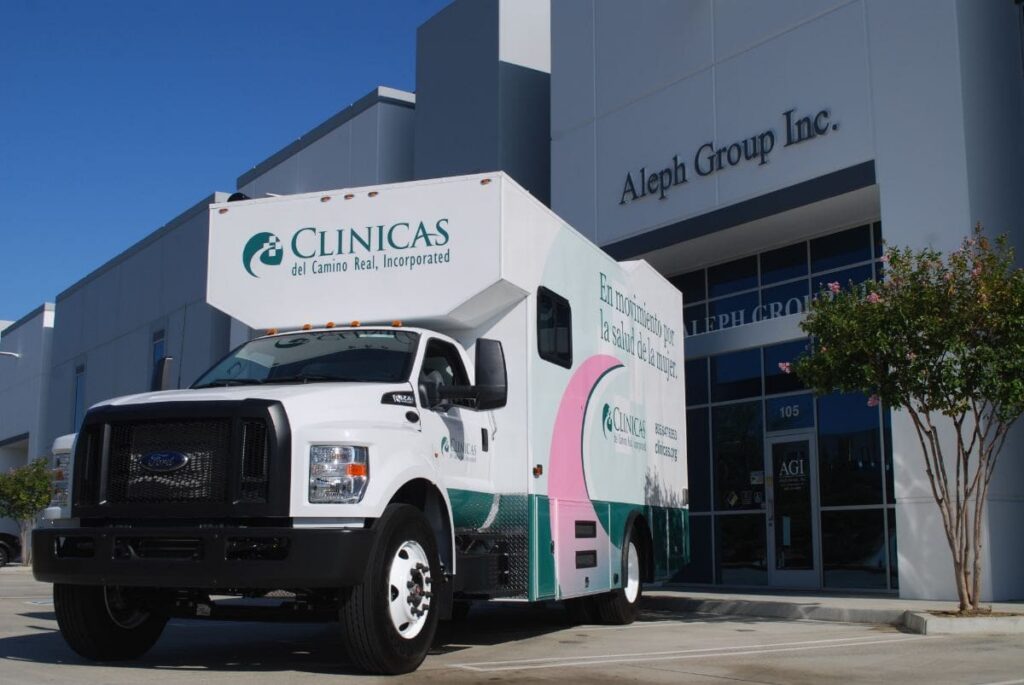
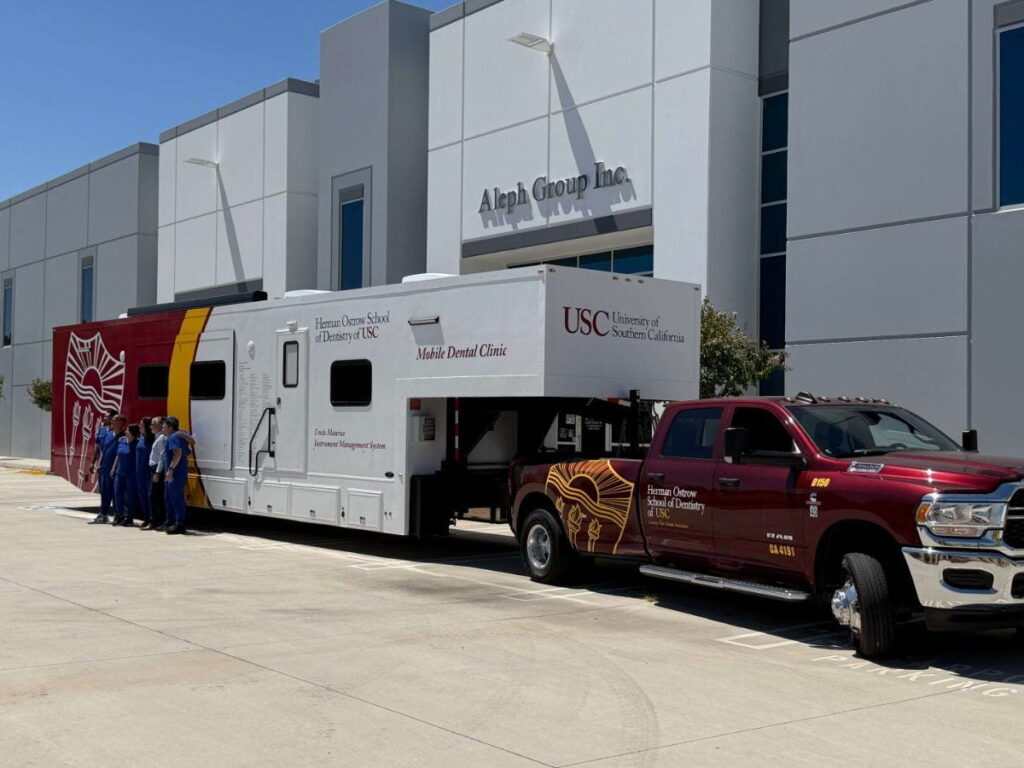
When healthcare organizations look to expand their outreach, they are inevitably faced with a pivotal choice: deploy a rapidly converted vehicle or invest in a commercially manufactured, purpose-built mobile unit. While retrofitted vehicles may offer a lower initial acquisition cost and faster initial deployment, they often rely on adapted electrical systems that struggle under the heavy draw of medical-grade equipment. Conversely, purpose-built vehicles are engineered from the chassis-up to handle healthcare-grade electrical loads and continuous-duty operations. Choosing the right infrastructure is ultimately a choice between short-term savings and long-term operational durability, regulatory compliance, and patient safety.

What You Will Learn in This Article
To help your organization navigate these complex engineering decisions, this article breaks down the critical differences between converted and purpose-built systems. Here are the key insights you will gain:
- The Reality of Power Reliability: Understand how converted or modified electrical systems can be strained by the demands of medical-grade equipment, and how a purpose-built electrical architecture planned from the ground up helps protect against power interruptions and operational failures.
- Medical-Grade HVAC vs. Conventional Climate Control: Learn the hidden risks of conventional commercial cooling, including how purpose-built units integrate specialized air exchange and filtration systems to meet strict clinical infection control standards.
- Operational Durability & Lifecycle ROI: Discover how continuous-duty engineering impacts your long-term maintenance costs, regulatory compliance, and ability to deliver uninterrupted patient care in any geographic climate.
Mission-Critical Infrastructure: What to Consider
In a mobile environment, system failures are not just minor inconveniences; they are mission-critical threats that can compromise high-resolution imaging equipment, vaccine cold-chain storage, and overall patient safety.
Your clinical mission depends on this “invisible” infrastructure – this means prioritizing stable power and precise climate control before layout and aesthetics. Creating a checklist of mission critical components will be the most important factor when deciding between converted versus purpose-built units.
When developing a mobile medical clinic specification checklist, key planning questions should evaluate both the intended clinical use and the operating environment. These may include:
- What clinical services, procedures, diagnostic functions, or treatment workflows will be performed inside the vehicle, and what medical equipment, utilities, storage, and spatial clearances will each require?
- What climate zone, geographic region, terrain, and seasonal conditions will the vehicle operate in, and how will these factors affect HVAC capacity, insulation, power demand, water systems, equipment durability, and patient comfort?
- Are there specific infection control, ventilation, air exchange, filtration, pressure relationship, or indoor air quality requirements that must be met based on the type of care being delivered, applicable healthcare guidelines, or local regulatory standards?
Electrical Reliability: Unified Grid vs. Adapted Systems
In the context of mobile healthcare infrastructure, a unified system architecture refers to a centralized and fully integrated electrical, HVAC, communications, and IT framework engineered to operate as a single coordinated platform. These systems prioritize standardization, operational reliability, simplified maintenance, and predictable clinical performance across healthcare environments.
By contrast, adaptive system architectures rely on decentralized, modular, and dynamically configurable subsystems designed to provide greater flexibility and operational responsiveness in diverse deployment scenarios. Adaptive configurations are often intended to support varying mission profiles, environmental conditions, and evolving clinical requirements.

The Reality of Power Reliability
When a mobile clinic connects directly to a conventional commercial utility grid, it operates within a fixed external infrastructure dependency, relying on municipal electrical distribution networks for primary power continuity. Adaptive mobile healthcare platforms, however, are designed to minimize or eliminate this dependency through integrated off-grid capabilities, including onboard power generation, battery energy storage, intelligent load management, renewable energy integration, and modular cyber-physical control systems. This enables sustained clinical operations in rural, disaster-response, underserved, or infrastructure-limited environments where access to stable commercial utilities may be unavailable or unreliable.
The Converted Approach
Retrofitted vehicles often rely on adapted electrical systems that were never intended for the heavy draw of medical-grade equipment. This leads to inherent power limitations and a significantly increased risk of onsite blackouts that can halt care delivery.
Unified Grid Systems for Converted Mobile Medical Clinics
A unified grid integrates all power generation, heating/cooling, and medical electronics into a single, centralized onboard architecture.
- How It Works: Often relies on a high-capacity power system – such as lithium-ion battery banks charged by shore power, solar panels, or a primary generator – distributing power and data through a fixed, hardwired bus.
- Pros: Highly streamlined. It reduces the risk of single-point failure across independent devices, ensures consistent voltage, and allows for clean, factory-grade wiring.
- Cons: Rigid and expensive to modify. If the central generator or inverter fails, the entire clinic’s operations can halt.
The Purpose-Built Approach
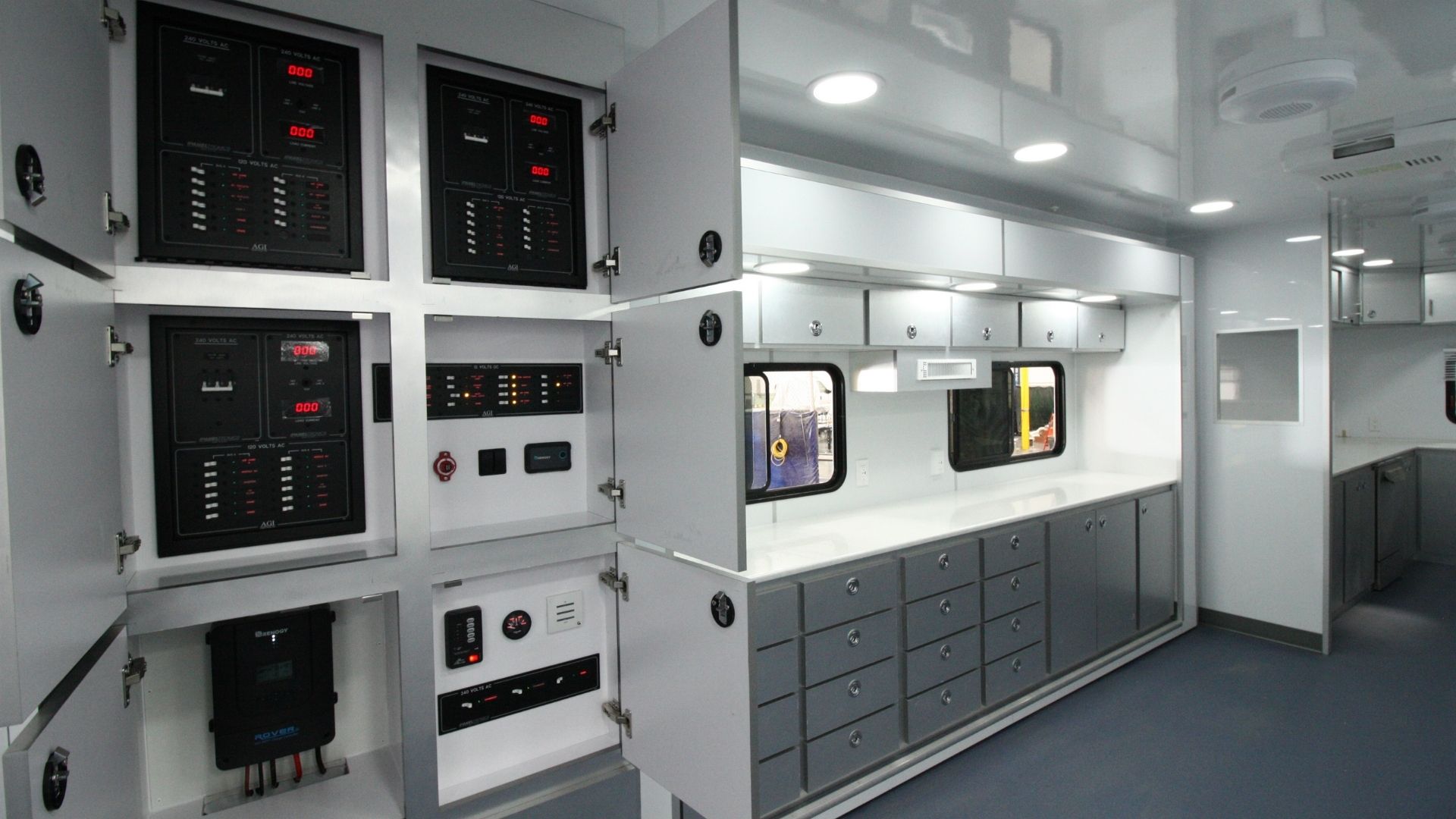
A purpose-built clinic is engineered from day one as a decentralized, modular, and dynamic adaptive system. These systems are designed with integrated automatic transfer switches that manage the transition between shoreline power, onboard generators, and battery banks. This level of engineering ensures continuous power and eliminates the clinical downtime associated with adapted electrical retrofits.
Adaptive Systems for Purpose-Built Mobile Medical Clinics
Adaptive systems use distributed, modular technologies that can be easily swapped, upgraded, or reconfigured based on the day’s clinical needs.
- How It Works: Involves independent energy solutions (e.g., portable heavy-duty batteries or interchangeable fuel systems) alongside medical cyber-physical architectures that support “plug-and-play” diagnostic equipment and mobile health (mHealth) applications.
- Pros: Exceptional flexibility. If you are serving an isolated area where refrigeration for vaccines is required, specialized battery modules can be added. If a particular device needs servicing, it can be swapped out without affecting the whole clinic.
- Cons: Higher complexity. Managing multiple independent systems increases the learning curve for staff and requires diligent inventory and maintenance of varied parts.
Key Comparison
| Feature | Unified Grid | Adaptive Systems |
| Design Approach | Centralized, hardwired, and fixed | Decentralized, modular, and scalable |
| Customization | Difficult to alter post-production | Highly adaptable to specific, changing community needs |
| Maintenance | Single point of failure; requires specialized technicians | Easier to swap out individual parts; higher total maintenance touch points |
| Ideal Use-Case | Standardized, high volume general primary care routines | Disaster response, remote rural outreach, or highly specialized services |
Medical-Grade HVAC vs. Standard Climate Control
Medical-Grade HVAC systems are the most power-hungry and safety-critical components in a mobile clinic. Unlike conventional air conditioning, medical HVAC must maintain strict temperature ranges for cold-chain biologics (like vaccines), manage high Air Change Rates (ACH), and power HEPA filtration to maintain positive or negative pressure cascades.
The electrical infrastructure type dictates how reliably the clinic can sustain this intensive environmental control.
The Converted Approach
Some mobile healthcare vehicle configurations may utilize HVAC systems originally designed for non-clinical or light-duty applications. Depending on environmental conditions and operational demands, these systems may experience challenges maintaining tightly controlled interior temperature and humidity ranges during rapid climate fluctuations. For mobile healthcare environments that rely on sensitive or calibrated medical equipment, consistent environmental control can be an important consideration in supporting equipment performance, patient comfort, and overall clinical reliability.
Importance of a Unified Grid for Medical HVAC in Converted Units
A unified grid acts as a centralized powerhouse. Its importance lies in unwavering stability, immense power capacity, and continuous automated pressure control.
- Sustaining Heavy Motor Inrush Loads: Medical HVAC compressors require high starting currents (inrush current) to kick on. A unified grid uses a heavy-duty generator or a centralized high-voltage lithium-ion bus (e.g., 208V-600V AC) that handles these spikes easily without causing voltage sag across the rest of the clinic.
- Maintaining Strict Air Isolation Cascades: To maintain negative pressure (to contain contagions) or positive pressure (to keep clean rooms sterile), fans must run continuously at precise speeds. A unified grid ensures uniform voltage distribution, preventing minor fluctuations that could disrupt calibrated airflow and cause pressure leaks.
- Centralized Environmental Monitoring: In a unified grid, HVAC controls are hardwired into a centralized Programmable Logic Controller (PLC). If the main power source shifts from a generator to shore power, the unified transfer switch switches seamlessly, ensuring the climate control does not reboot and ruin temperature-sensitive pharmaceuticals.
The Purpose-Built Approach
Purpose-built clinics feature high-capacity, medical-grade HVAC systems with separated heating and cooling zones. These units are specifically engineered to maintain strict internal environmental standards, protecting both patient experience and the integrity of sensitive medical technology.
Importance of Adaptive Systems for Medical HVAC in Purpose-Built Units
An adaptive system uses decentralized, modular infrastructure. Its importance lies in unparalleled redundancy, targeted power allocation, and extreme environmental survivability.
- Preventing Single-Point Failure Disasters: If a centralized generator fails in a unified grid, the entire HVAC drops. In an adaptive system, medical-grade climate zones are isolated. A critical vaccine refrigerator or an isolation room can be powered by its own independent, hot-swappable battery sled or localized backup power bank, keeping biologics safe even if the main cabin AC fails.
- Micro-Zoned Power Efficiency: Medical vehicles travel through vastly different climates. An adaptive system allows the clinic to power down heavy HVAC loads in non-critical zones (like an empty waiting room) via smart demand-controlled ventilation, shifting all remaining battery capacity to the critical surgical or exam spaces.
- Scalable “Plug-and-Play” Clean Rooms: If a mobile clinic deployed for disaster response suddenly encounters an infectious outbreak, an adaptive electrical system can instantly accommodate a temporary, heavy-duty external HEPA/Negative Pressure kit. The operator can plug the module directly into a dedicated auxiliary power port without worrying about overloading the main vehicle dashboard circuitry.
Architectural Trade-Off
| Factor | Unified Grid Approach | Adaptive Systems Approach |
| HVAC Failure Risk | High Consequence: Central system failure drops climate control everywhere. | Isolated: One localized battery or unit failure won’t affect other climate zones. |
| Airflow Consistency | Excellent: Perfect voltage control maintains strict pressure cascades and ACH. | Variable: Independent power loops require localized calibration to keep fans steady. |
| Deployment Weight & Draw | Heavy: Require oversized generators to handle total peak HVAC loads. | Light/Optimized: Dynamically shifts power to achieve micro-zones as needed. |

Operational Durability & Lifecycle ROI: The True Cost of Ownership
When evaluating a mobile medical clinic, the purchase price represents only a fraction of its total lifetime cost. The real financial and operational impact is determined by how the vehicle performs over five, ten, or fifteen years of continuous field service. Choosing a unit built with continuous-duty engineering directly influences three critical areas: long-term maintenance overhead, regulatory alignment, and clinical uptime.
1. Minimizing Long-Term Maintenance Costs
Standard consumer or light-commercial vehicles are designed for intermittent use; their power and climate systems are expected to cycle off frequently. In contrast, a mobile clinic operates as a stationary field hospital, often running its systems for 8 to 12 hours a day (or 24/7 in disaster-relief scenarios).
- Component Longevity: Continuous-duty engineering utilizes industrial-grade generators, heavy-duty commercial inverters, and robust wiring buses designed for constant thermal and electrical stress. This drastically reduces the frequency of component burnouts.
- Preventative vs. Reactive Maintenance: Purpose-built power systems feature centralized, accessible diagnostic points and clean, factory-documented schematic routing. This turns troubleshooting into a predictable, fast routine rather than a complex, time-consuming scavenger hunt through aftermarket wiring.
- Reduced Depreciating Wear: Because the electrical load is balanced and structurally integrated, the vehicle’s primary engine and alternator are protected from the taxing drains that frequently destroy the drivetrains of converted vehicles.
2. Ensuring Strict Regulatory Compliance
Operating a healthcare facility on wheels means answering to strict governing bodies. A failure in climate or power isn’t just an inconvenience – it can be a legal and compliance violation.
- Infection Control (CDC & ASHRAE): Medical-grade HVAC systems do more than cool the air; they maintain precise positive/negative pressure relationships and achieve the high air-exchange rates required for clinical environments. Continuous-duty systems are engineered to handle the high static pressure of HEPA filtration without overloading the fans or burning out compressor motors.
- The Vaccine Cold Chain (CDC Guidelines): Millions of dollars in pharmaceuticals, vaccines, and laboratory specimens are lost annually due to minor power fluctuations. A purpose-built, single-source power architecture ensures seamless power transfer (e.g., from generator to shore power) without voltage drops that trigger refrigeration alarms or system resets.
- Healthcare Accreditation: Meeting standard safety and health codes requires reliable, predictable utility performance. Specialized engineering guarantees that your mobile facility mirrors the safety standards of a brick-and-mortar clinic, simplifying compliance audits.
3. Delivering Uninterrupted Patient Care in Extreme Climates
A mobile clinic’s mission is to reach underserved populations, which often means operating in harsh environments – from the humid summer heat of rural valleys to freezing winter temperatures in mountainous terrain.
- Thermal Resilience: Conventional insulation and localized AC units can fail when ambient temperatures exceed 38°C (100°F), leading to rapid interior overheating that forces clinic closures. Purpose-built medical clinics utilize commercial-grade thermal barriers and heavy-duty HVAC zoning to maintain a stable, comfortable 20–22°C (68–72°F) environment inside, regardless of external conditions.
- Protecting Sensitive Medical Electronics: High-resolution diagnostic equipment (such as digital mammography, X-ray, or complex dental chairs) requires clean, pure sine wave power. In extreme climates, when HVAC systems are drawing maximum power, a continuous-duty electrical infrastructure prevents voltage sags and surges that damage sensitive digital components and cause sudden equipment calibration errors.
- Community Trust through Reliability: If a mobile clinic cancels appointments due to a failed generator or an overheated room, patient trust erodes. Continuous-duty engineering ensures that when your team pulls into a remote community, the doors open on time, the equipment functions perfectly, and care is delivered without interruption.
Balancing Engineering and Operational Readiness
Ultimately, a mobile medical clinic is an investment in community access, and its long-term viability relies heavily on the infrastructure supporting it. When designing a mobile program, evaluating the technical trade-offs between a converted consumer vehicle and a purpose-built specialty unit is a critical early step.
While retrofitted platforms can offer lower entry costs and faster initial deployment, purpose-built units are engineered from the chassis-up to handle continuous-duty electrical loads and strict clinical climate standards. For healthcare organizations focused on predictable lifecycle costs, regulatory alignment, and uninterrupted care, a grounded understanding of these foundational systems ensures the vehicle is fully equipped to support the clinical mission for years to come.
Ready to evaluate your mobile options? Schedule a free consultation with Aleph Group Inc. today to ensure your unit is built for the mission, not just for the road.