Key Takeaway for Decision Makers
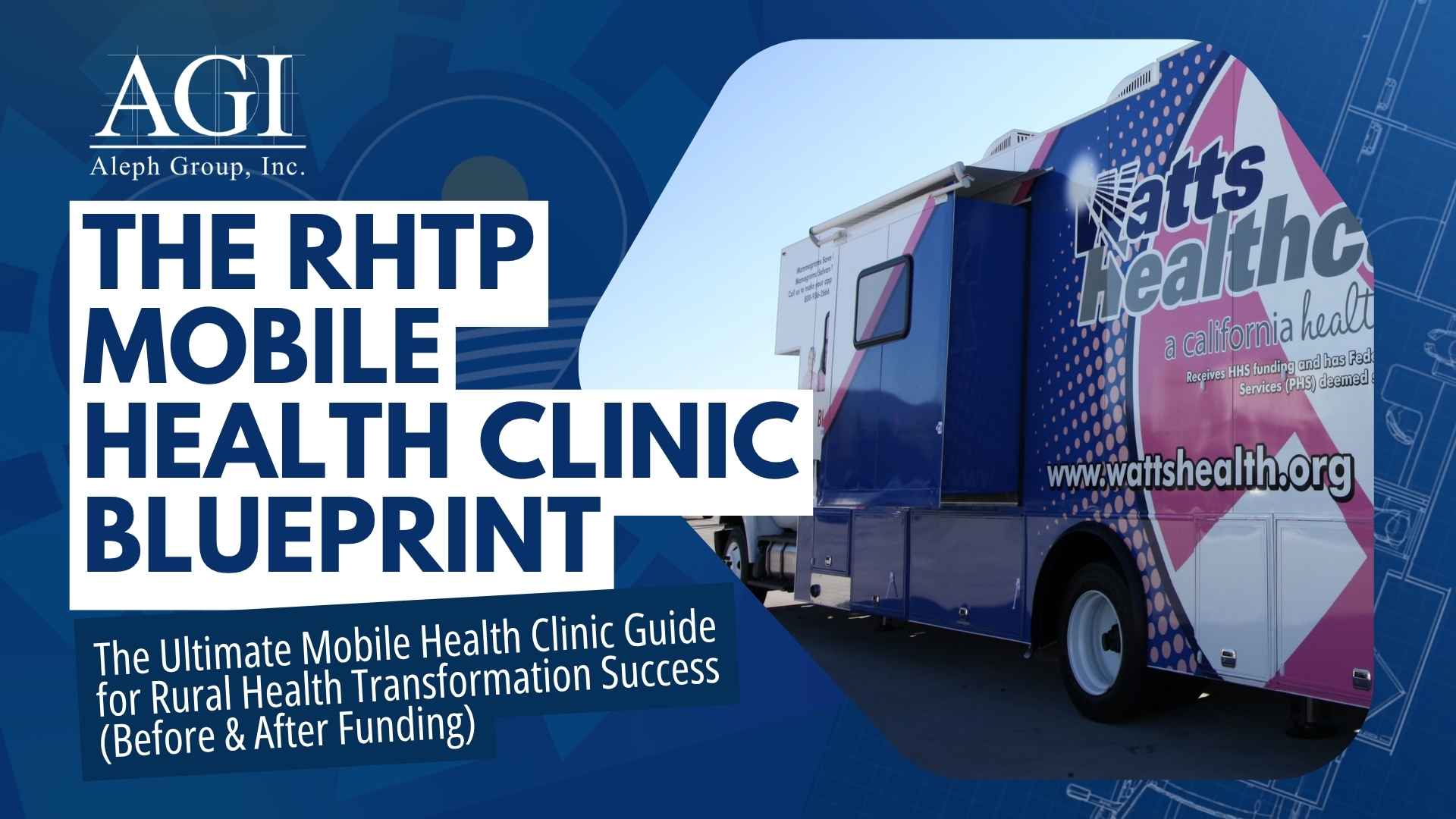
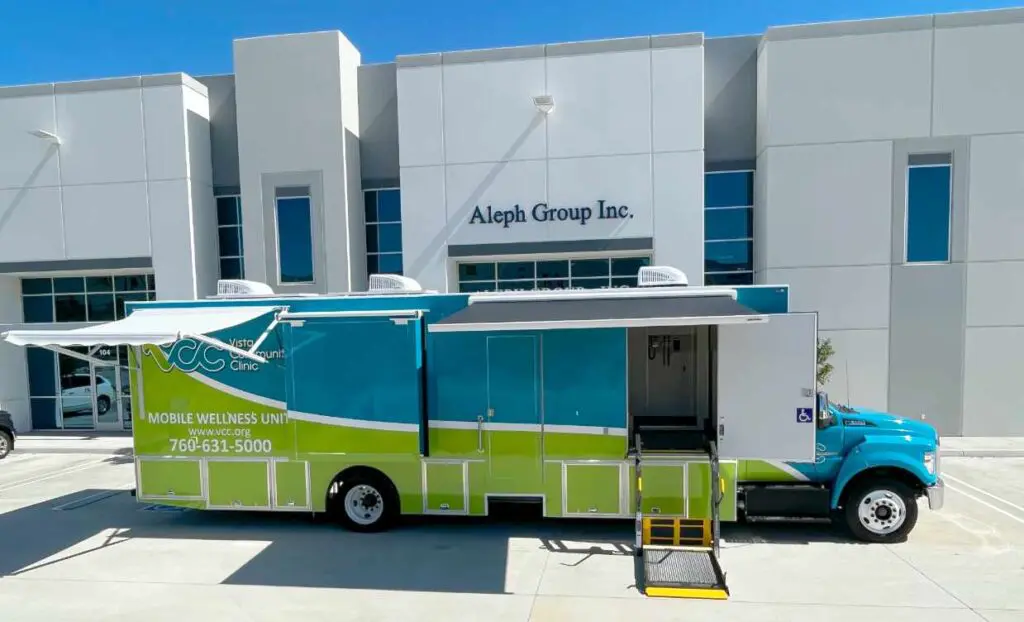
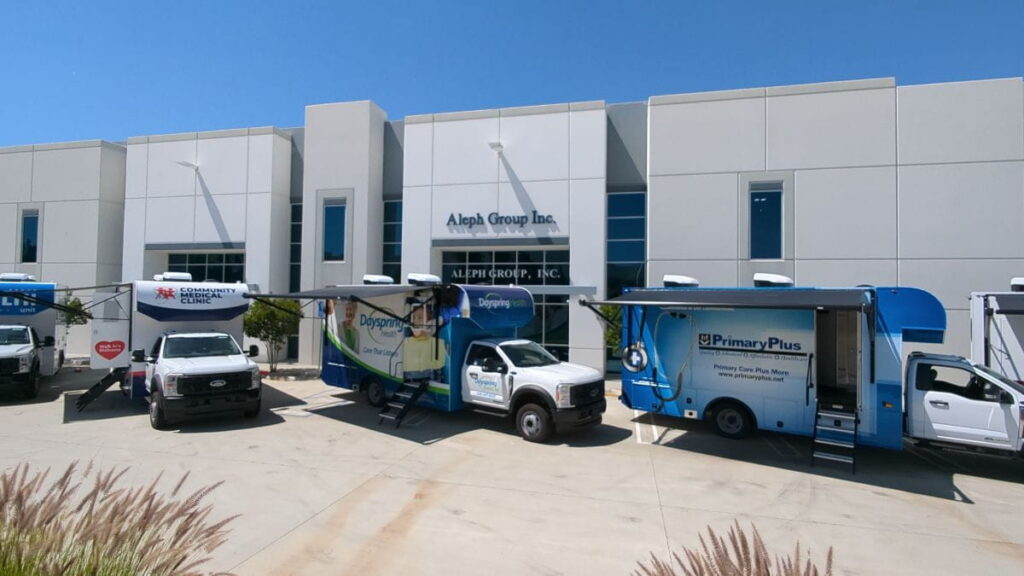
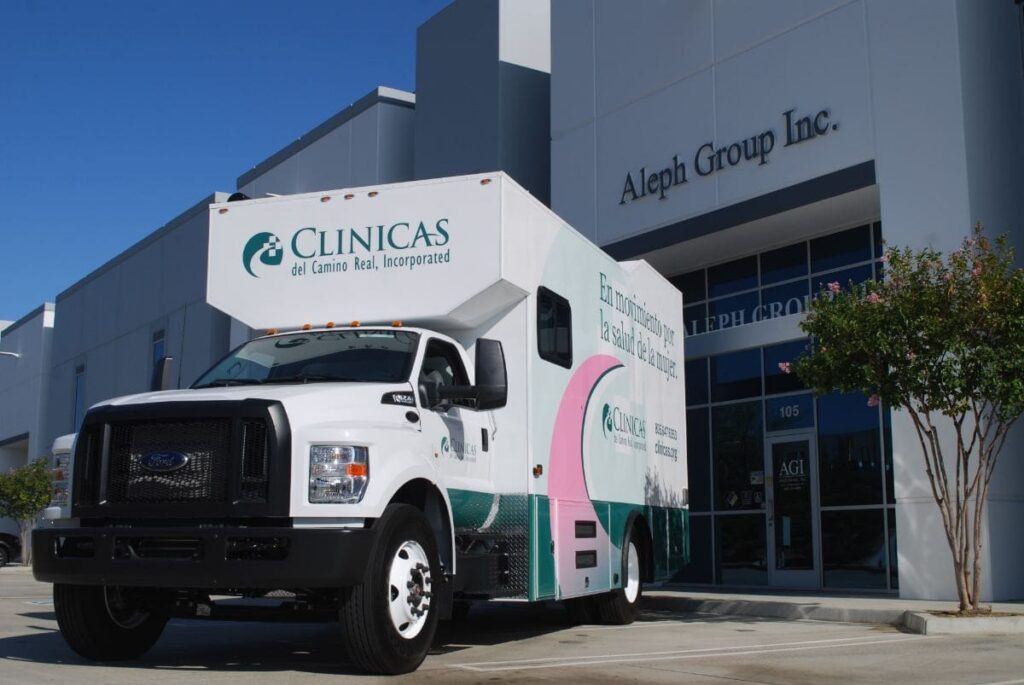
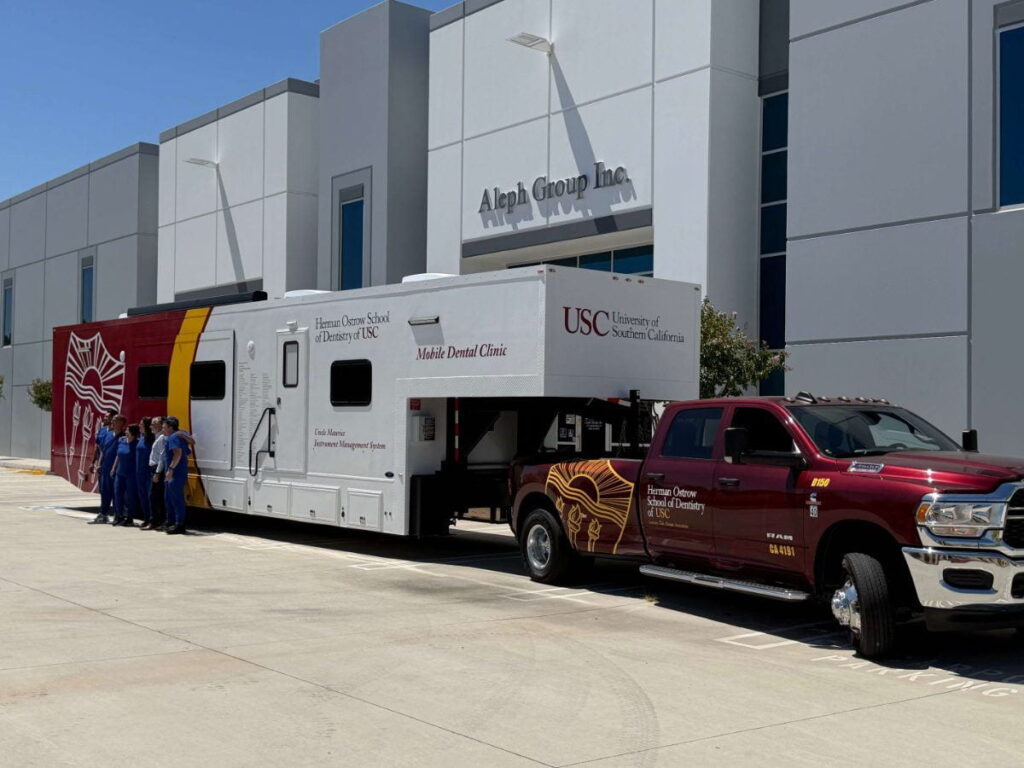
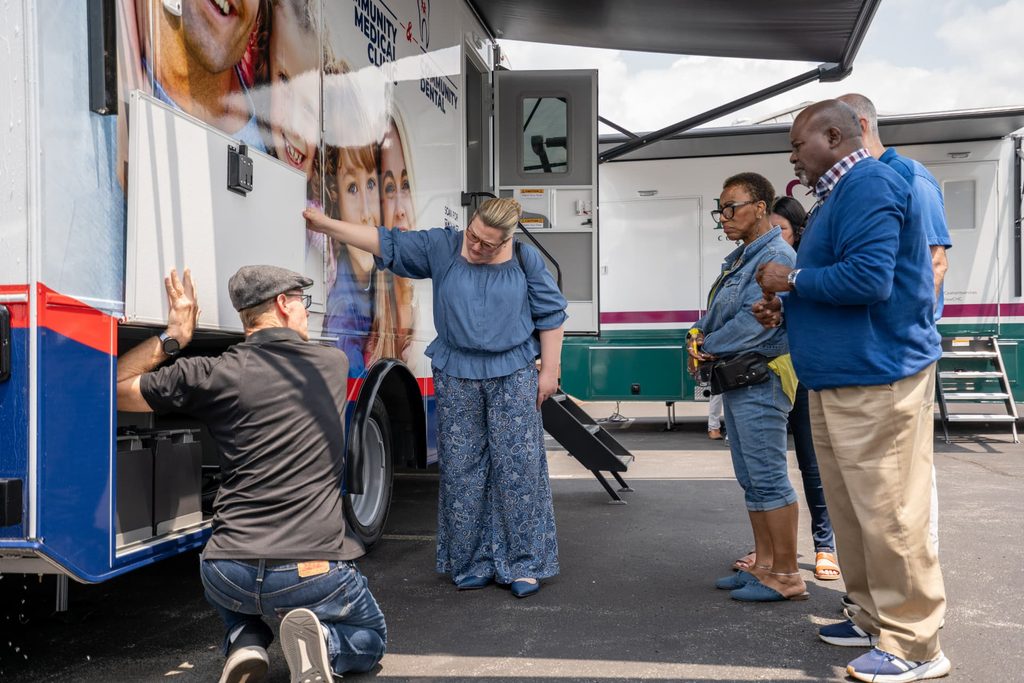
Mobile medical clinics are custom-engineered specialty vehicles that bring primary care, preventive screenings, chronic disease management, and specialized health services directly into underserved or high-risk communities.
For healthcare administrators, accountable care organizations (ACOs), and health-plan executives, mobile clinics serve as a high-utility, agile alternative to fixed-site brick-and-mortar expansion, offering proven financial returns (averaging a national estimate of a $14 ROI for every $1 invested via Mobile Health Map), significant emergency department diversion, and seamless integration into population health management frameworks.
Mobile medical clinics allow healthcare leaders to capture non-member panels, expand market footprint, drive preventive chronic care management, and reduce avoidable acute care costs, offering a clear bridge between clinical excellence and long-term financial sustainability.
The Evolving Role of Mobile Healthcare
Access to healthcare is a fundamental human right, yet communities across the United States continue to face deep-seated barriers to care, ranging from geographic isolation to a lack of local medical infrastructure. While mobile medical clinics have long been championed for their social mission to reach underserved populations, forward-thinking healthcare systems are recognizing a larger truth: mobile units are no longer just “charity vehicles.” Backed by a rapidly expanding national landscape encompassing thousands of specialized vehicles delivering millions of annual visits, mobile clinics represent vital, flexible community infrastructure designed to transform how modern healthcare is delivered.
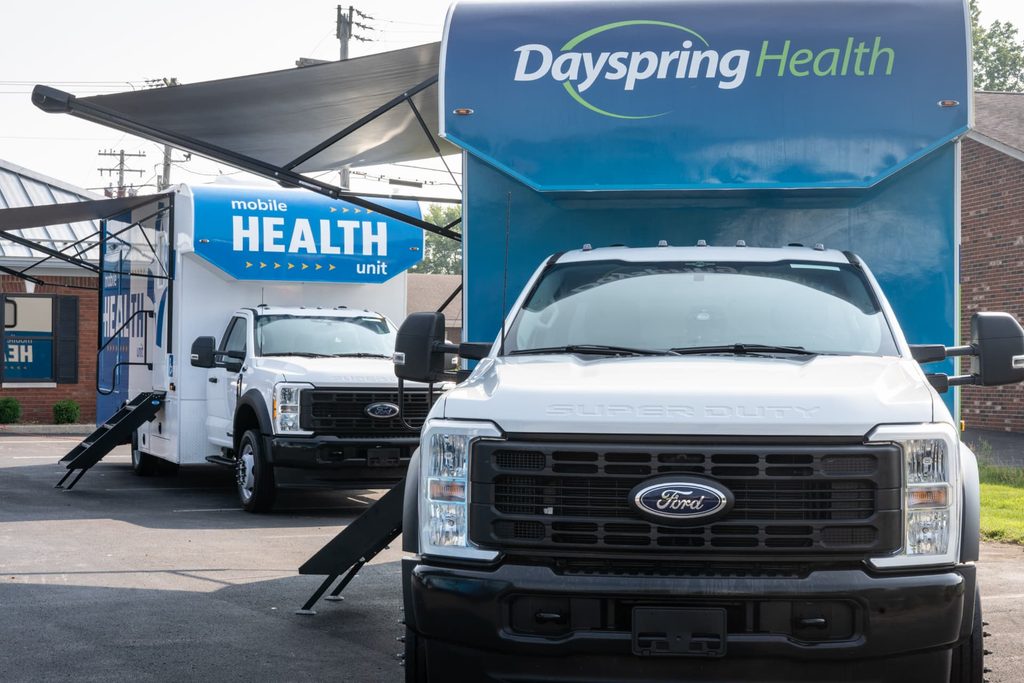
Key Positive Impacts of Mobile Health Clinics on Communities
- Expanded Access for Vulnerable Populations: MHCs reach people who are uninsured, underinsured, elderly, disabled, or lack reliable transportation. More than half of all visits to mobile health clinics are made by uninsured individuals, helping marginalized populations receive care without traveling long distances.
- Preventative Care and Early Detection: Mobile units offer routine vaccinations, health education, blood pressure and cholesterol screenings, and cancer diagnostics. Catching conditions early prevents minor health issues from escalating into severe, expensive medical crises.
- Chronic Disease Management: Mobile healthcare teams help patients manage long-term conditions like diabetes, asthma, and hypertension (high blood pressure). They frequently collaborate with local pharmacists for home visits and medication reviews to ensure treatments are followed properly.
- Emergency Department (ED) Diversion: By providing accessible local treatment and non-emergency care, a single mobile medical clinic prevents an estimated 600 unnecessary emergency room visits per year. This lowers overcrowding in hospitals and reduces overall healthcare spending.
- High Economic Return on Investment (ROI): Research tracked by organizations like Mobile Health Map demonstrates that mobile health programs yield significant financial returns – with estimates showing roughly $12 to $18 saved in health system costs for every $1 invested.
- Culturally Tailored, Relationship-Based Care: Because they park directly inside neighborhoods, housing complexes, and community centers, mobile clinics build long-term trust and lower the anxiety or stigma some patients face in traditional brick-and-mortar facilities.
The Executive Perspective: Why Mobile Clinics Make Sense
For hospital administrators, clinic directors, and healthcare executives navigating tightening margins and value-based care (VBC) mandates, mobile medical units offer unmatched strategic advantages:
- Agile Population Health Management: Under value-based frameworks, accountable care organizations (ACOs) and health networks are financially and clinically responsible for total patient populations. Mobile assets allow networks to dynamically deploy services to shifting geographic clusters of high-risk patients without committing to permanent, high-overhead brick-and-mortar expansion.
- Expanding Market Reach and Patient Panels: Integrated delivery models, such as Kaiser Permanente’s mobile health program, leverage mobile units specifically to grow market share by serving non-member mixes, demonstrate clinical performance leadership in the community, and retain existing high-risk patient panels.
- Navigating Capitated and Risk-Bearing Models: As payers shift financial risk down to provider networks, healthcare systems are penalized for preventable hospital readmissions and unmanaged chronic conditions. Mobile clinics act as a dynamic “float” asset that can be strategically deployed directly into high-risk zip codes flagged by CMS quality metrics, protecting the health system’s bottom-line performance under value-based contracts.
Hard Financial Returns and Cost-Effectiveness
Administrative decision-makers respond to hard data, financial metrics, and measurable risk reduction. Clinical and economic research demonstrates that mobile health clinics are exceptionally cost-effective:
- The Return on Investment (ROI): Aggregate data collected by Mobile Health Map indicate a national estimate of a $14 ROI for every $1 invested in a mobile health clinic, driven by averted acute interventions and preventative care. Rigorous academic modeling has also documented long-term savings scaling significantly higher depending on the community program structure. Beyond general aggregate metrics, specialized clinical deployments show exceptional financial returns. Targeted preventative mobile programs scale up to an estimated $19-to-$1 return, while specialized high-acuity interventions – such as mobile mammography units – yield a remarkable $47-to-$1 return by capturing aggressive conditions early before they require costly late-stage treatments.
- Emergency Department (ED) Diversion: Mobile units act as an essential safety valve for overburdened hospital systems. Longitudinal studies show that over a 2.5-year period, upwards of 27% of patients visiting a mobile unit would otherwise have sought care in a costly hospital Emergency Department.
- Per-Visit Savings: Documented programs, such as Kaiser Permanente’s mobile health program, demonstrate tangible cost savings (averaging roughly $88 per visit) alongside improved patient biomarkers like blood pressure and HbA1c levels.
Clinical Impact: Prevention, Chronic Disease, and Trust
Beyond financial metrics, mobile clinics deliver high-impact clinical care directly where traditional delivery models fail:
- Frontline Prevention & Screenings: Mobile units capture individuals with previously undetected risk factors. Data from published community health evaluations show that of clients screened on mobile units, 60% had previously undetected elevated blood pressure, 38% had previously undetected elevated total cholesterol, and 14% had previously undetected elevated blood glucose.
- Long-Term Risk Reduction: Targeted blood pressure screenings and hypertension counseling delivered via mobile units have been clinically proven to drive a 32.2% decline in the relative risk of myocardial infarction and a 44.6% decline in the relative risk of stroke.
- The “Knowledgeable Neighbor” Model: Embedded staff build profound institutional trust within communities, driving health literacy, motivational interviewing, and navigational support to successfully link patients back into primary and specialty care networks.
- Addressing Social Determinants of Health (SDOH): Mobile clinics recognize that physical health is inseparable from social stability. Beyond capturing vital signs and diagnostic markers, mobile care teams actively address underlying SDOH connecting vulnerable patients directly to community resources such as housing support, nutritional assistance, legal aid, and health insurance navigation.
Overcoming Operational Hesitation
Administrators frequently express hesitation regarding the logistical complexities of adding mobile assets to their fleet. Modern vehicle engineering has systematically eliminated these hurdles:
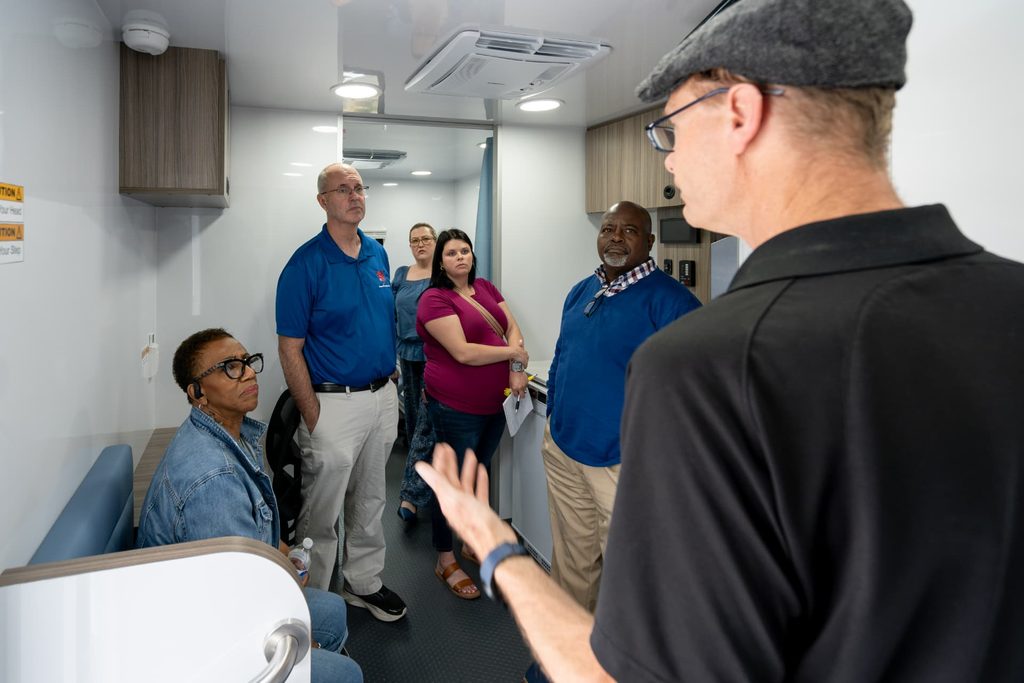
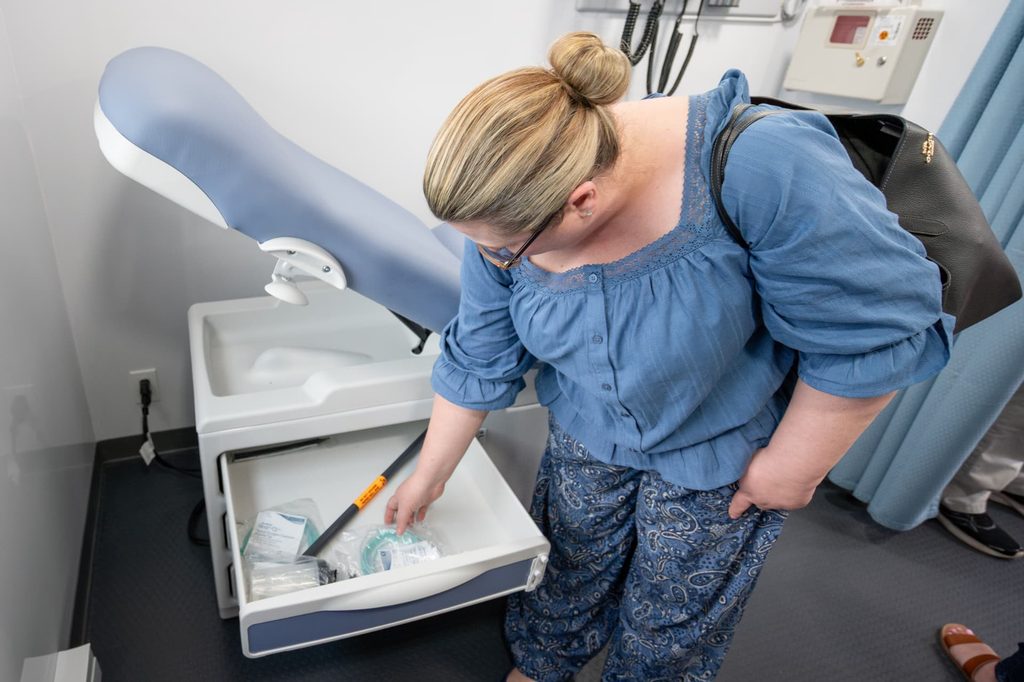
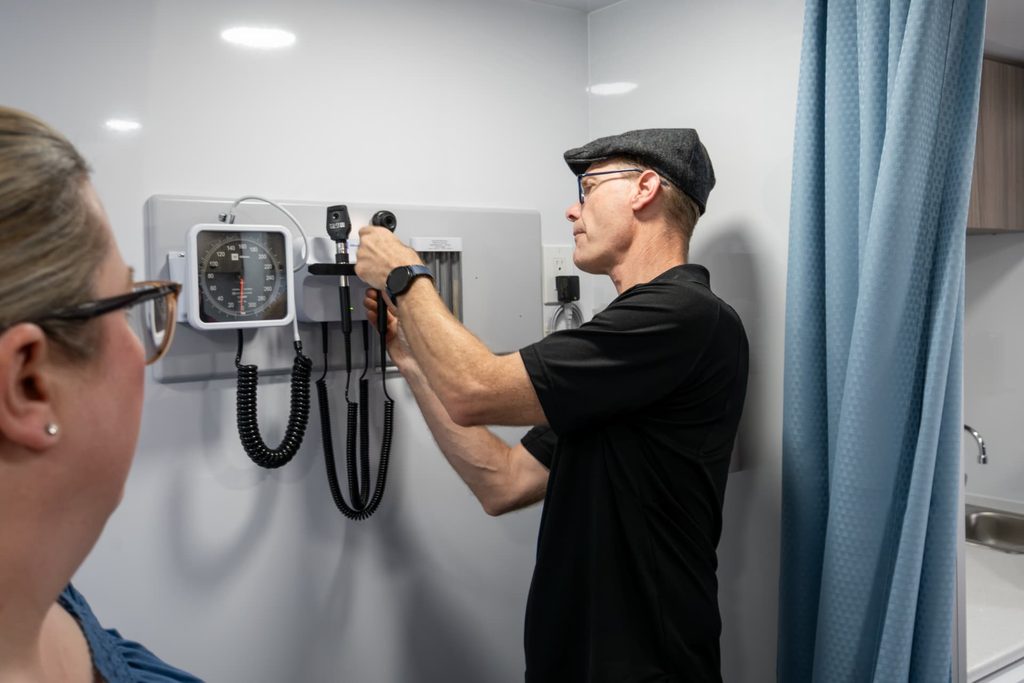
- Turnkey Engineering & Customization: Today’s custom specialty vehicles are built from the chassis up to meet specific clinical workflows, incorporating exam rooms, diagnostic equipment, and full ADA-accessibility compliance.
- Seamless Technology on the Road: Modern mobile units come equipped with robust power redundancy, climate control, and secure, high-speed onboard IT connectivity, ensuring real-time electronic health record (EHR) integration with your main health campus.
- Culturally Competent Staffing & The “Knowledgeable Neighbor” Model: Modern mobile units are engineered not only with advanced medical diagnostics, such as digital radiology and real-time telehealth connectivity, but also with ergonomic layouts designed for cultural safety. By staffing units with trusted local community health workers, programs foster deep institutional trust, dramatically increasing patient retention and repeat clinical visits.
Conclusion & Next Steps
Mobile medical clinics represent a smart, highly strategic move for forward-thinking health systems looking to expand market reach, reduce costly emergency room utilization, and actively manage population health. By combining undeniable financial ROI with profound community impact, mobile units bridge the gap between financial sustainability and clinical excellence.
Ready to Build Your Proposal?
Don’t start your RFP or business case from scratch. Contact our team today to receive customizable technical specifications, engineering layouts, and ROI justification frameworks tailored to your upcoming healthcare initiative.
Frequently Asked Questions (FAQ)
Q: What is a mobile health clinic, and how does it differ from traditional healthcare?
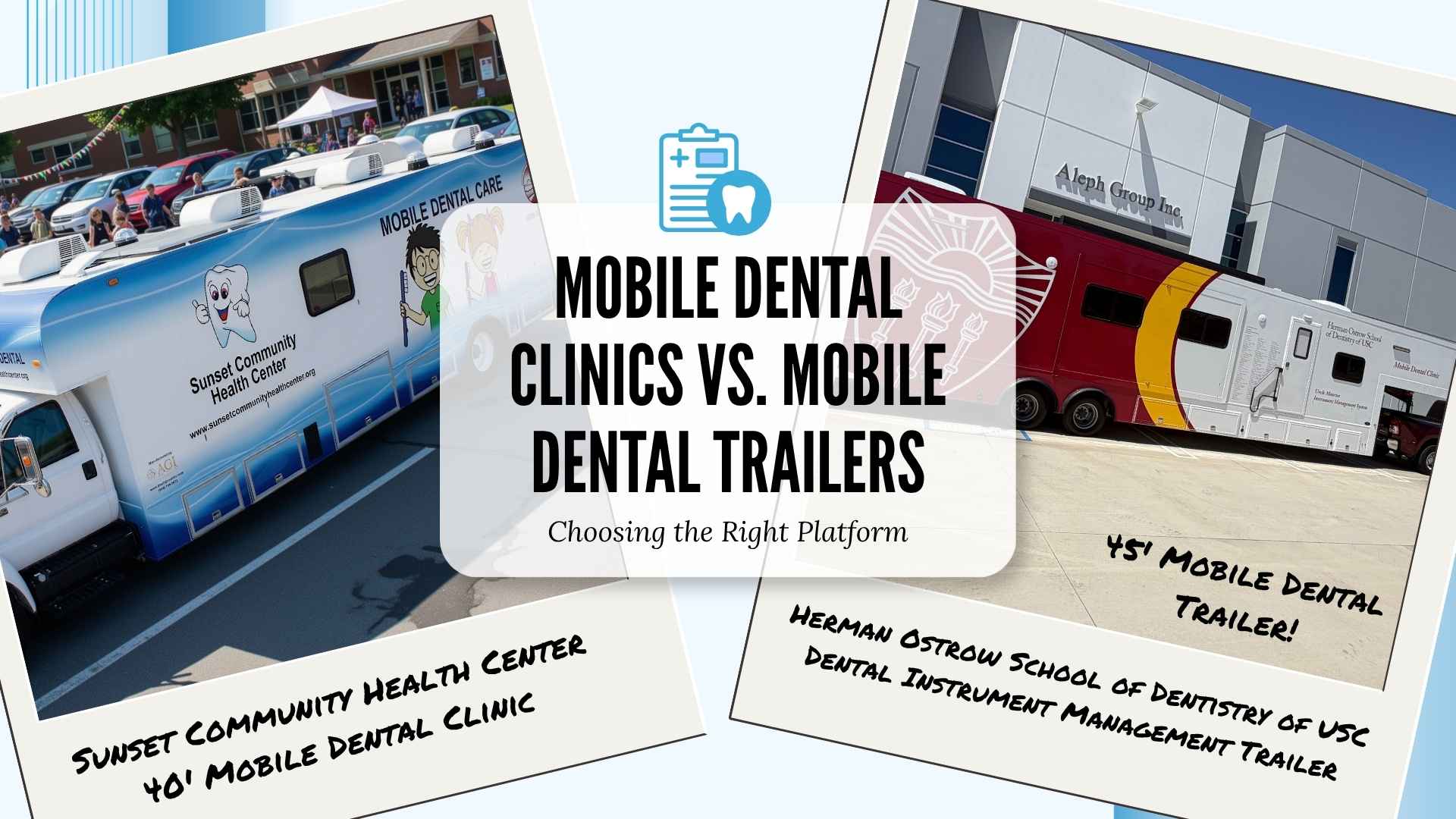
A: Mobile health clinics are custom-engineered specialty vehicles, such as purpose-built clinics built on heavy-duty chassis, retrofitted vans, buses, and trailers, that deliver primary care, preventative screenings, chronic disease management, and specialized services directly into communities. Unlike fixed-site brick-and-mortar facilities that require patients to navigate geography, transportation, and scheduling barriers, mobile units act as agile, community-embedded infrastructure that meets patients where they live, work, and gather.
Q: How do mobile health clinics generate a financial return on investment (ROI) for healthcare administrators?
A: Mobile clinics drive financial value by lowering the total cost of care and serving as an essential emergency department (ED) safety valve. Aggregate data collected via Mobile Health Map indicate a national estimate of a $14 return on investment for every $1 invested. Furthermore, studies show that upwards of 27% of patients utilizing mobile units would have otherwise sought non-emergent care in a costly hospital Emergency Department (PMC5837864), significantly reducing avoidable acute care spending.
Q: How do mobile clinics support Accountable Care Organizations (ACOs) and value-based care models?
A: Under value-based frameworks where organizations take total financial and clinical responsibility for an assigned patient population, ACOs must actively manage high-risk panels and reduce low-value spending. Mobile units allow health networks to dynamically float resources to shifting geographic clusters of high-risk or underserved patients without committing to high-overhead, permanent brick-and-mortar expansion (PMC5837864).
Q: What kinds of clinical outcomes and preventative care impacts do mobile clinics deliver?
A: Mobile clinics excel at catching undiagnosed chronic conditions early. Clinical evaluations of mobile screening programs demonstrate that among individuals screened, significant percentages present with previously undetected elevated blood pressure (60%), elevated cholesterol (38%), and elevated blood glucose (14%). Targeted counseling and interventions on these units have been clinically linked to substantial reductions in the relative risk of acute cardiovascular events like heart attacks and strokes (PMC5837864).
Q: How are modern mobile medical clinics engineered to integrate with existing healthcare technology?
A: Today’s custom specialty vehicles are built from the chassis up to function as seamless extensions of a main health campus. They come equipped with robust onboard power redundancy, climate control, specialized diagnostic layouts, and secure, high-speed IT connectivity, ensuring real-time electronic health record (EHR) integration and full compliance with clinical workflows.
Q: How are mobile medical clinics typically funded, and what grant or policy mechanisms are available for healthcare administrators?
A: Mobile medical clinics are funded through a diverse mix of revenue streams, including institutional hospital budgets, philanthropic contributions, insurance reimbursements, and state/federal grants. A major policy breakthrough, such as the bipartisan MOBILE Health Care Act, has made it significantly easier for federally qualified health centers (FQHCs) to secure and utilize capital for mobile unit acquisition and expansion. Furthermore, health system leaders increasingly tap into state-level funding initiatives, such as state opioid settlement dollars for specialty care vehicles, and federal programs like the Rural Health Transformation Program (RHTP), which actively incorporates mobile health fleets into modernized rural infrastructure grants.