
Summary: While breast cancer awareness campaigns highlight the importance of early detection, structural barriers – such as a lack of reliable transportation, hourly wage loss, and geographic isolation – prevent vulnerable populations from acting. Mobile X-ray and mammography clinics eliminate these logistical hurdles by delivering clinical-grade diagnostics directly into the neighborhoods where patients live and work.
Every October, a familiar wave of pink washes over our communities. From billboards and storefronts to social media campaigns and charity walks, the message of Breast Cancer Awareness Month is loud, clear, and universally understood: Early detection saves lives.
But what happens when that message reaches a mother who doesn’t have a reliable car? What happens when it reaches an agricultural worker who can’t afford to lose half a day’s pay at an hourly job, or a resident living miles away from the nearest stationary imaging center?
For many underserved communities across Ventura County, awareness isn’t the missing piece of the puzzle. They know early detection is vital. The real barrier isn’t a lack of information – it’s a lack of structural access. Awareness tells a patient why they need a mammogram; true advocacy gives them the where and when without upending their livelihood.
To bridge this gap and turn awareness into accessible action, healthcare providers must eliminate the physical, financial, and logistical friction holding patients back. The most effective, immediate way to do that is by bringing clinical-grade early detection directly to the pavement where people live and work.
What Are the Main Barriers to Breast Cancer Screenings in Underserved Communities?
When we look at healthcare through the lens of social determinants of health, a routine 20-minute screening mammogram is rarely just a 20-minute appointment. For a patient in a marginalized or rural area, it is a complex logistics problem. It requires navigating public transit deserts, arranging childcare, and negotiating time off with rigid employers.
When life is a delicate balancing act of immediate survival needs, preventive healthcare inevitably gets pushed to the bottom of the priority list.
This is the psychology of friction. Every hurdle placed between a patient and a medical service lowers the likelihood of them receiving care. By deploying mobile medical units, we flip the script entirely. We change the patient’s internal monologue from, “How am I going to find a ride, get time off, and travel across the county for this?” to, “The clinic is parked at my neighborhood center today – I can do this right now.”
Why Mobile Mammography Units Are the Best Solution for Early Detection
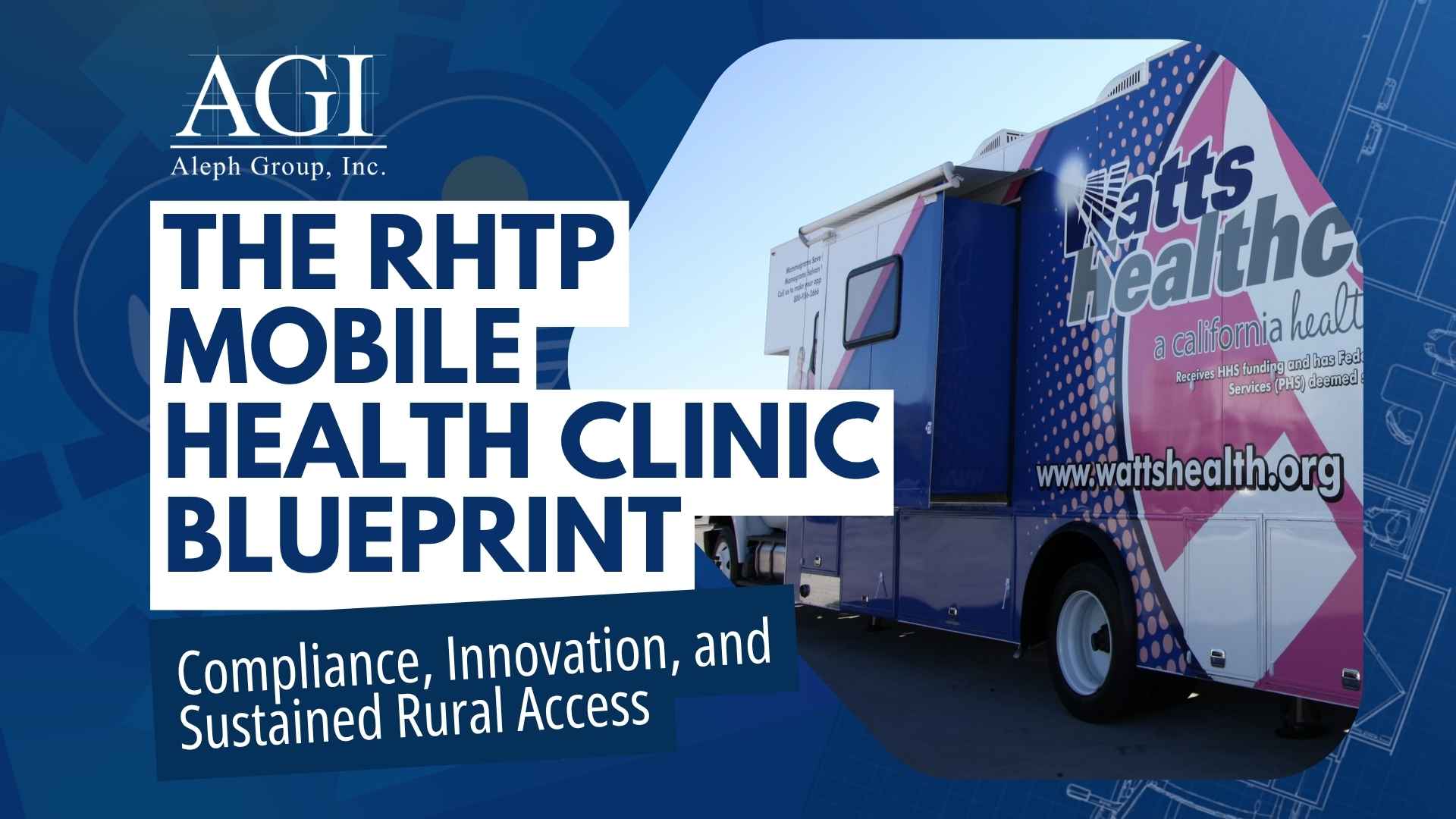
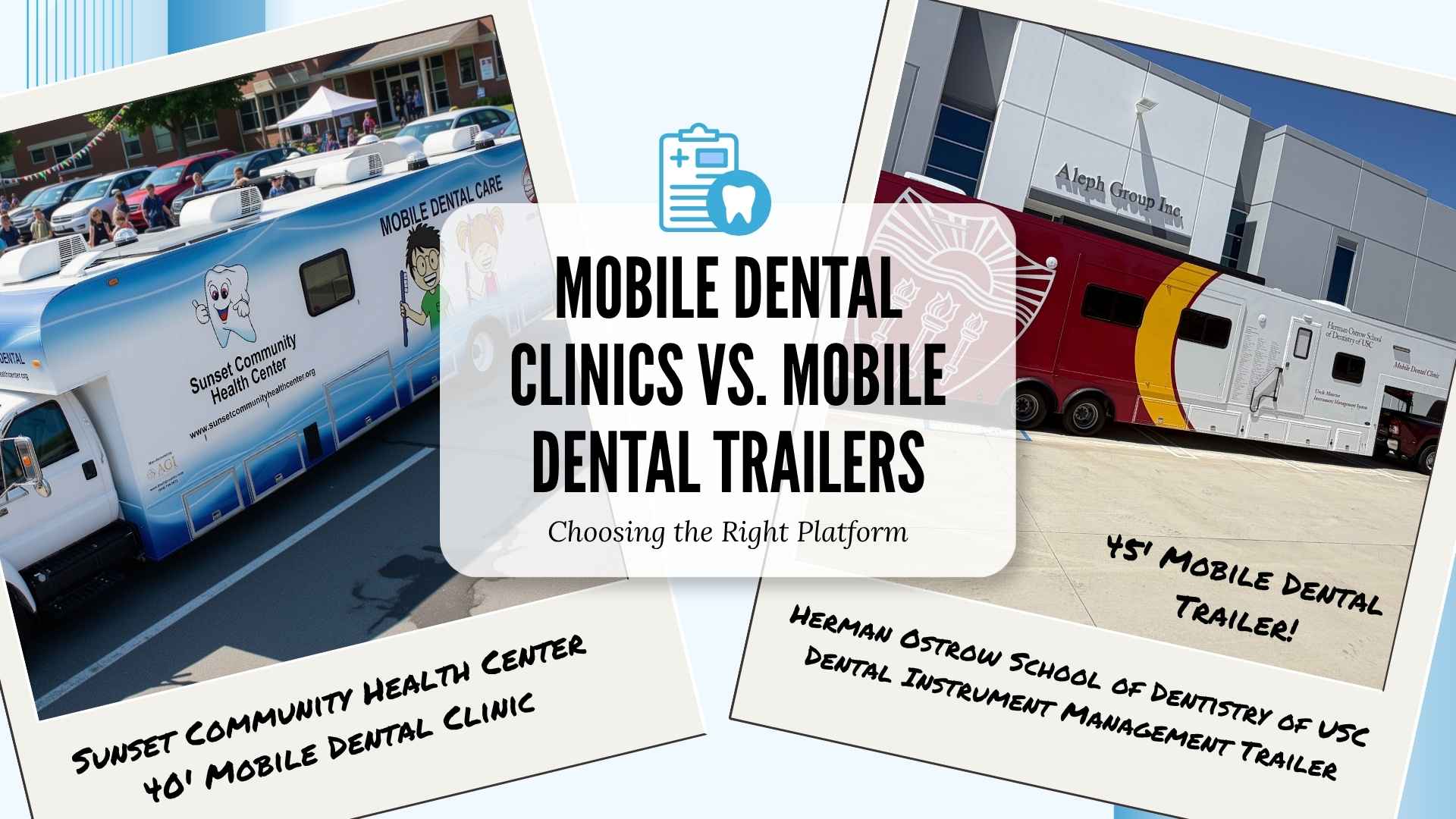
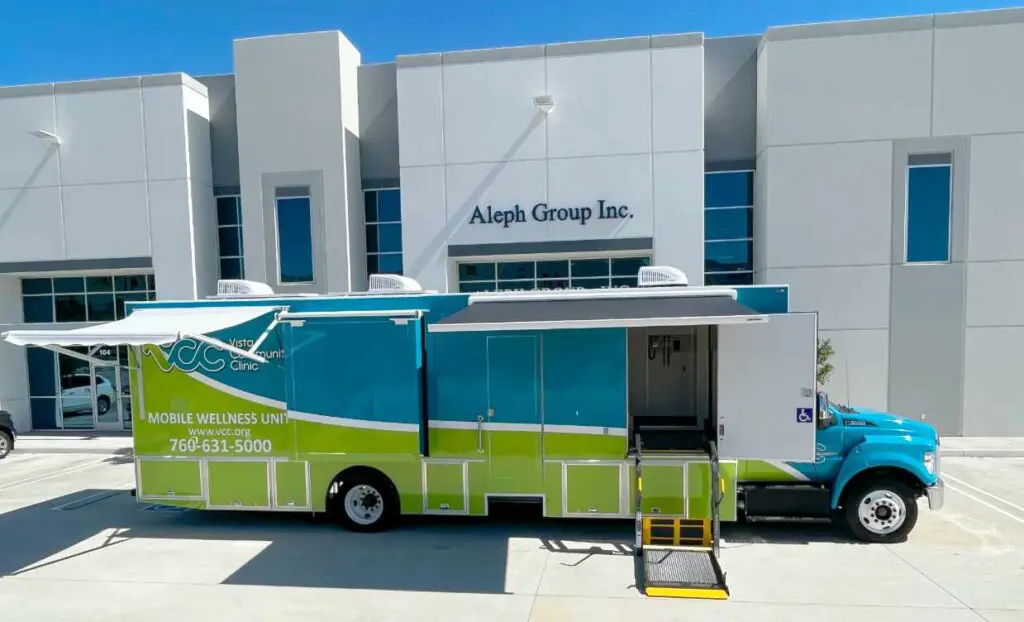
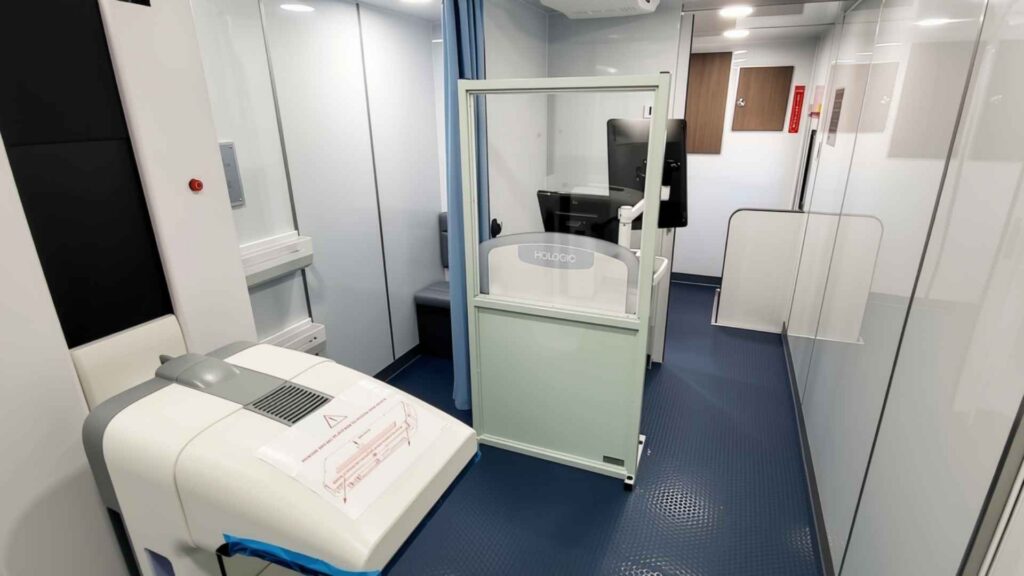
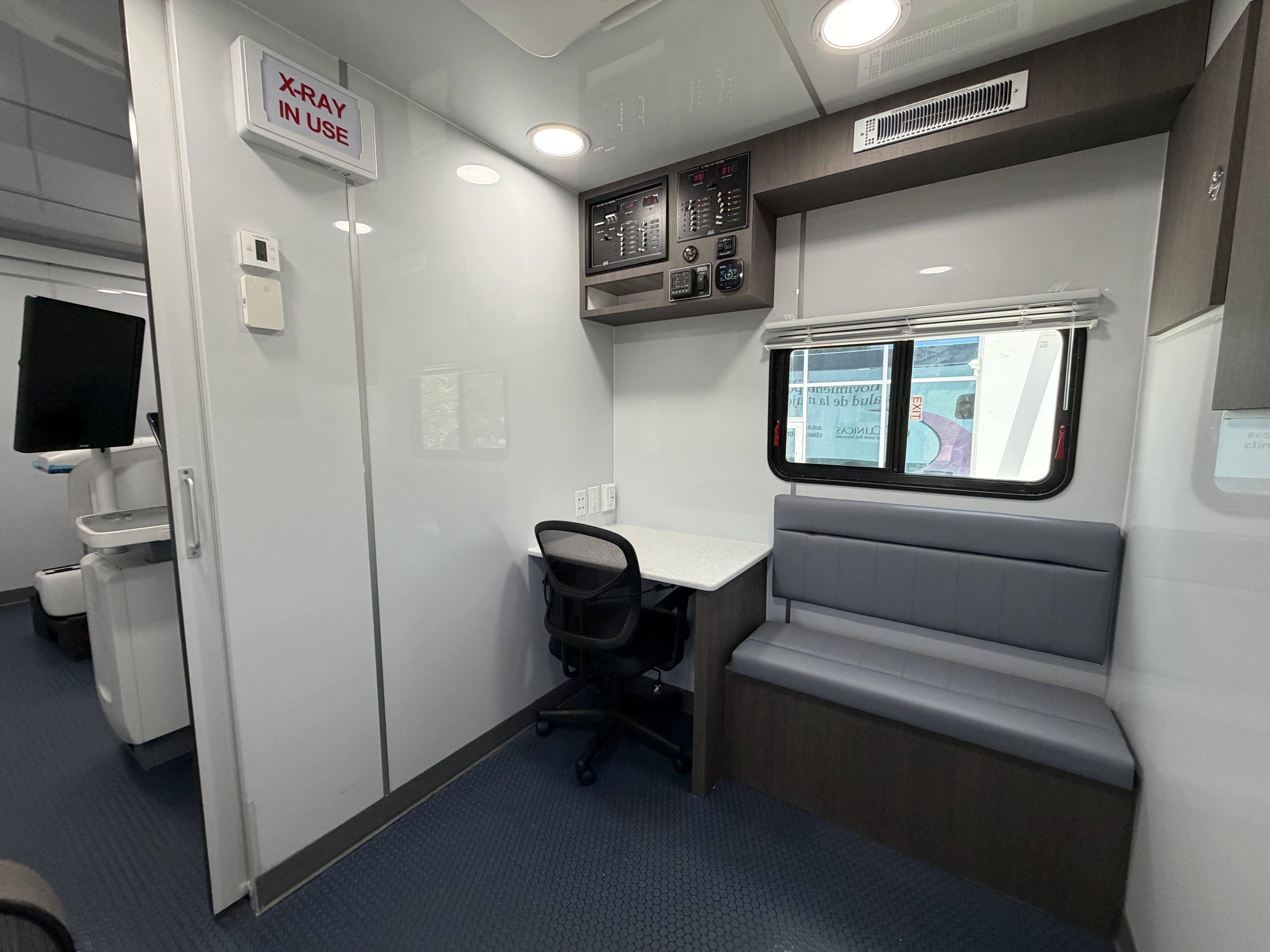
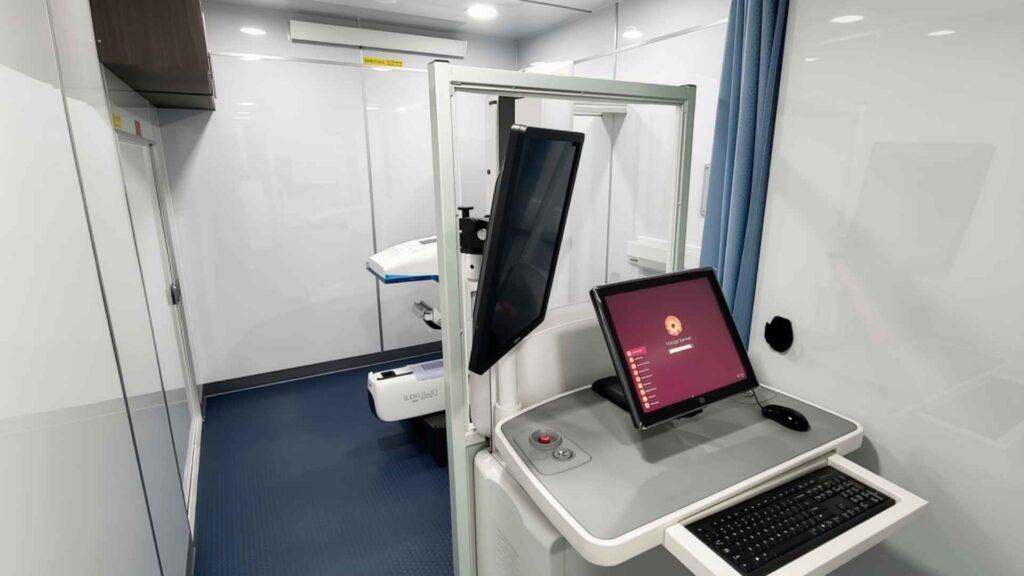
A mobile mammography unit is far more than a vehicle; it is a clinical environment on wheels. To successfully move the needle on early cancer detection, these units must deliver the exact same standard of care, accuracy, and patient dignity found in a stationary hospital suite.
Achieving this requires highly specialized engineering. Mammography and X-ray equipment are incredibly sensitive, high-voltage technologies. They demand precise climate control, stable power distribution, and a structural design built to mitigate road vibrations that could otherwise damage calibration or compromise scan resolution.
Key Engineering Insights Behind Mobile Imaging Vehicle Design
- Purpose-built mobile clinics are engineered from the chassis up to safeguard sensitive medical equipment and optimize clinical workflow, ensuring the patient experience is identical to a brick-and-mortar hospital.
- Purpose-built mobile clinics are engineered from the chassis up to safeguard this equipment and optimize the clinical workflow. Inside, the layout must ensure a seamless, private, and dignified experience for the patient, while giving clinicians the space and tools they need to operate efficiently. When a vehicle is engineered correctly, the patient forgets they are on wheels the moment they step through the door.
How Clínicas del Camino Real and Aleph Group Inc. Worked Together to Expand Access in Ventura County
Turning this vision of accessible action into reality requires a powerful synergy between clinical expertise and specialized manufacturing. That is exactly what is happening in Ventura County.
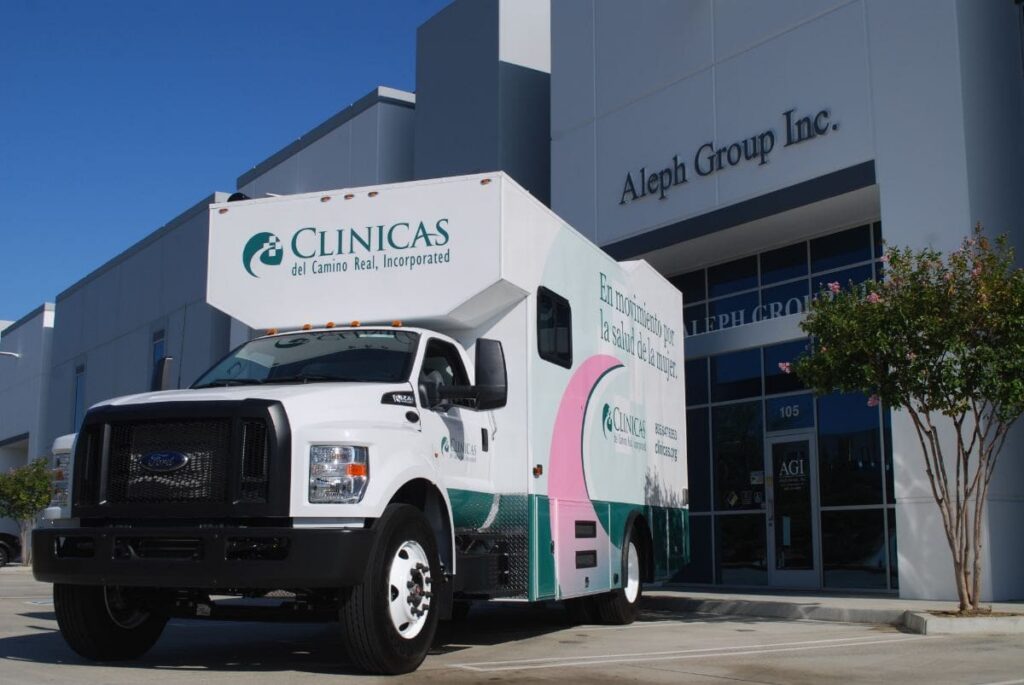
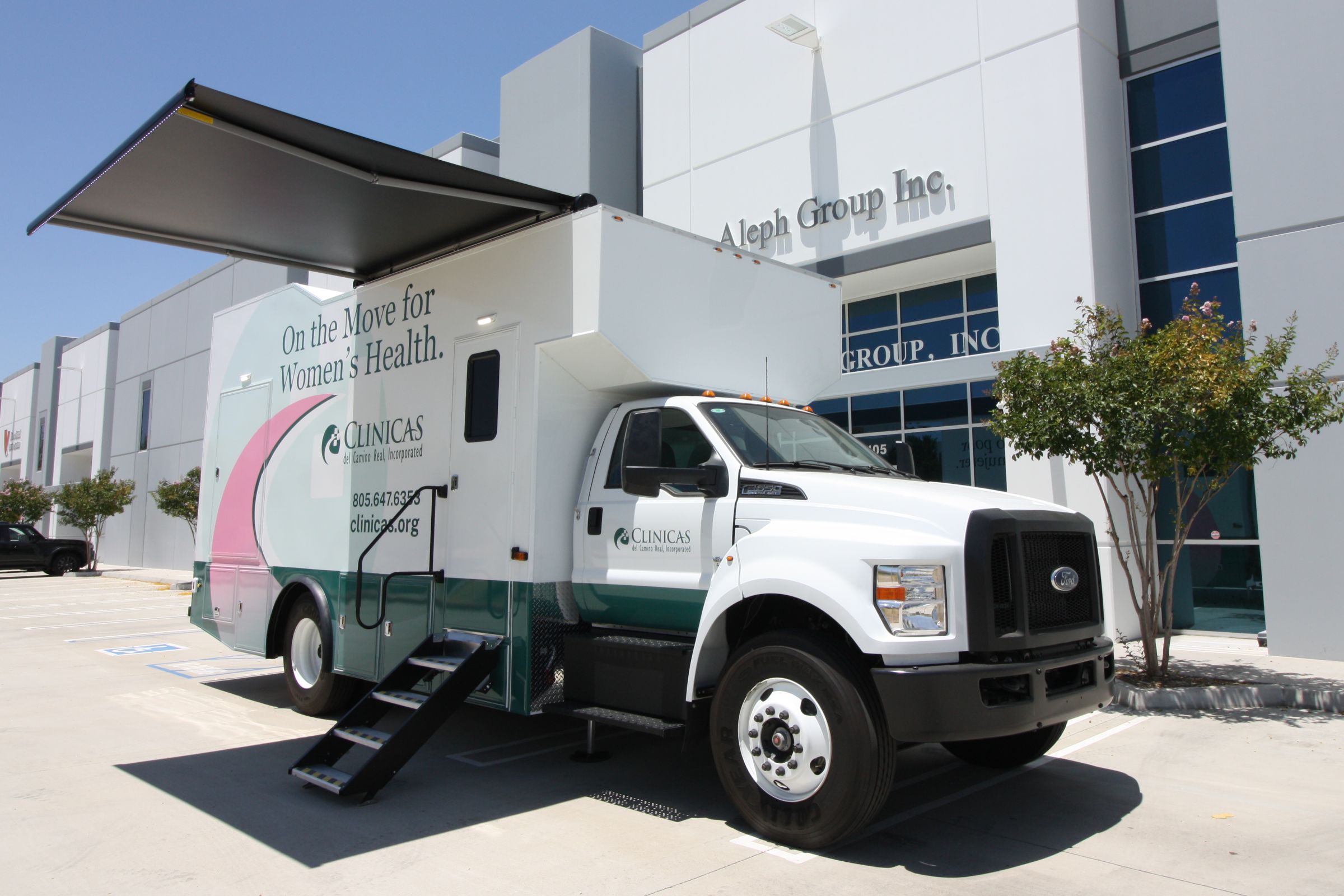
Clinicas del Camino Real has consistently stood as a lifeline for underserved populations, deeply rooted in the community and dedicated to erasing healthcare disparities. By investing in a brand-new mobile X-ray clinic, Clinicas is operationalizing its mission, expanding its reach, and taking a defensive stance against breast cancer right in the neighborhoods that need it most.
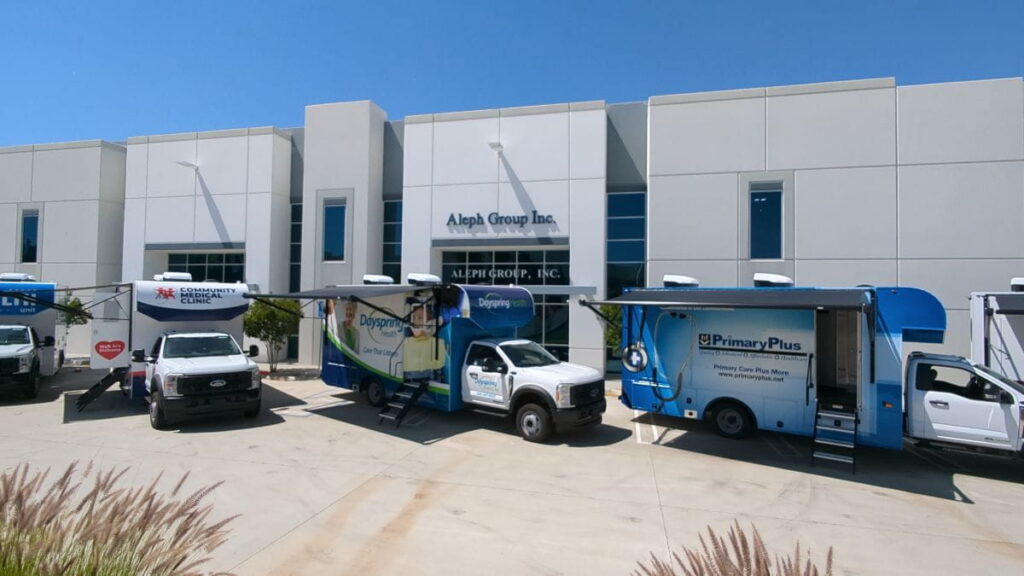
To bring this highly technical asset to life, they partnered with Aleph Group Inc., a leader in specialty mobile medical manufacturing. Aleph Group’s expertise transforms complex clinical blueprints into durable, compliant, and highly functional mobile screening units. From ensuring proper weight distribution for heavy imaging equipment to designing an inviting, accessible patient cabin, Aleph Group’s engineering ensures that Clinicas’ medical teams can focus entirely on what they do best: saving lives.
Together, this partnership creates a mobile healthcare delivery system capable of screening dozens of patients a day, safely, reliably, and right in their own neighborhoods.
Beyond the Pink Ribbon
Why is awareness alone not enough for early breast cancer detection?
A pink ribbon is a powerful symbol. It can remind a community that breast cancer exists, but it cannot schedule an appointment, drive a patient to a clinic, or catch a tumor in its earliest, most treatable stages.
Closing the gap on healthcare disparities requires mobility, innovation, and deliberate action. Through the deployment of their new mobile mammography unit, Clinicas del Camino Real and Aleph Group Inc. are proving that when you bring high-quality healthcare directly to the people, you don’t just raise awareness – you change outcomes.
How do mobile clinics improve breast cancer screening rates in rural areas?
Mobile clinics directly improve breast cancer screening rates in rural areas by addressing the psychology of friction—specifically, by removing the logistical, geographical, and financial barriers that prevent vulnerable populations from acting on awareness campaigns.
Main Benefits of a Mobile Breast Cancer Screening Clinic
- Eliminating Geographic Isolation: Rural communities often lack local brick-and-mortar imaging facilities. Mobile mammography units bring clinical-grade early detection directly into the neighborhoods where patients live and work, completely erasing long-distance travel requirements.
- Overcoming Financial & Opportunity Costs: By placing the clinic at accessible community hubs (like neighborhood centers), patients do not have to sacrifice a full day’s wages, arrange childcare, or coordinate complex transportation. It shifts the patient’s internal dialogue from “How am I going to find a ride and get time off?” to “The clinic is here today – I can do this right now.”
- Maintaining Hospital-Grade Integrity on Wheels: To ensure clinical trust and accurate screening rates, purpose-built mobile clinics are engineered from the chassis up to handle highly sensitive, high-voltage X-ray equipment. They utilize specialized climate control, stable power distribution, and structural vibration mitigation to ensure that scan resolutions are never compromised by the road.
- Prioritizing Patient Dignity and Workflow: A successful mobile layout is optimized to ensure a seamless, private, and dignified experience. When the interior environment mirrors a stationary hospital suite, it builds patient trust and encourages regular, recurring annual screenings.
About Clínicas del Camino Real
How to Access Mobile Mammography Services in Ventura County
Clínicas del Camino Real, Inc. has been a trusted provider of quality, comprehensive, and preventative healthcare across Ventura County for decades. With the launch of their new mobile X-ray clinic, they are making life-saving breast cancer screenings more accessible than ever.
Whether you need to schedule a routine preventative screening or want to request the mobile clinic for a local community event, getting in touch with their care team is simple.
Contact Information & Care Locations
- Official Website: clinicas.org
- 24/7 Toll Free Number: (866) 885-7900
- Call Center: (805) 647-6353 – hours vary
- Health Center Locations: https://clinicas.org/content/our-health-center-locations
Clinicas operates numerous health centers throughout Ventura County – including dedicated locations in Oxnard, Ventura, Simi Valley, Fillmore, and Newbury Park. To find the stationary health clinic closest to you or to get the current community route schedule for the new mobile mammography unit, call the main scheduling line or visit their online patient portal.
Take Action Today: You do not have to wait for symptoms to appear to prioritize your health. Reach out to Clinicas del Camino Real to see when the mobile screening unit will be in your neighborhood and take control of your wellness close to home.
About Aleph Group Inc.
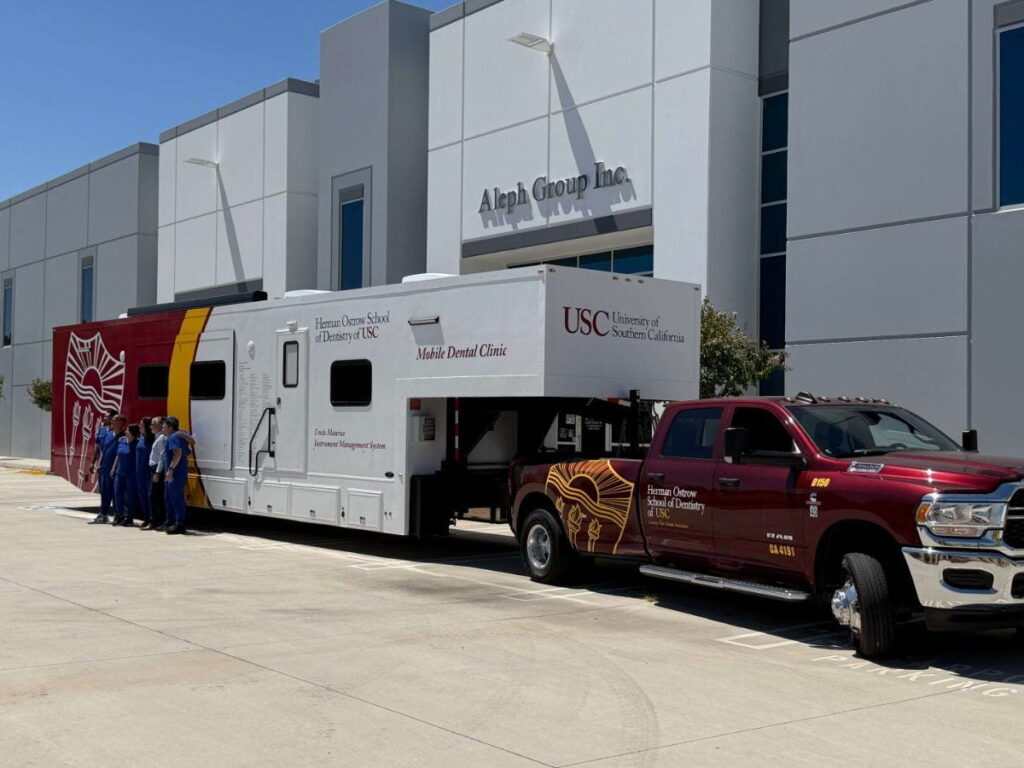
Aleph Group Inc. (AGI) is a premier, specialty mobile medical manufacturer headquartered in Riverside, California. Boasting over 24 years of custom engineering innovation, Aleph Group Inc. is dedicated to designing and building cutting-edge mobile clinics that allow healthcare providers, universities, and social service agencies to expand their borders and bring critical services directly to the people.
Operating out of facilities in Riverside County, AGI’s team of specialized engineers, draftspersons, and craftsmen build every single vehicle in-house from the chassis up. By prioritizing rigorous workmanship, collaborative custom floor plans, and advanced clinical compliance, Aleph Group Inc. transforms complex mobile medical blueprints into durable, life-saving mobile environments built to make a difference in local communities and around the world.
- Corporate Headquarters: 1900 E Alessandro Blvd, Suite 105, Riverside, CA 92508
- Official Website: www.alephgroupinc.com
Frequently Asked Questions
What are the benefits of mobile mammography units?
Mobile mammography units remove major barriers to healthcare access by bringing early breast cancer screening directly into underserved communities, eliminating transportation challenges, and reducing time missed from work or family obligations.
Why is a purpose-built mobile clinic better than a vehicle conversion for X-ray equipment?
Sensitive medical technology like 3D mammography machines requires specialized weight distribution, strict climate control, and advanced vibration dampening to maintain calibration and ensure accurate diagnostic imaging – standards that ordinary conversions cannot reliably meet.