Summary
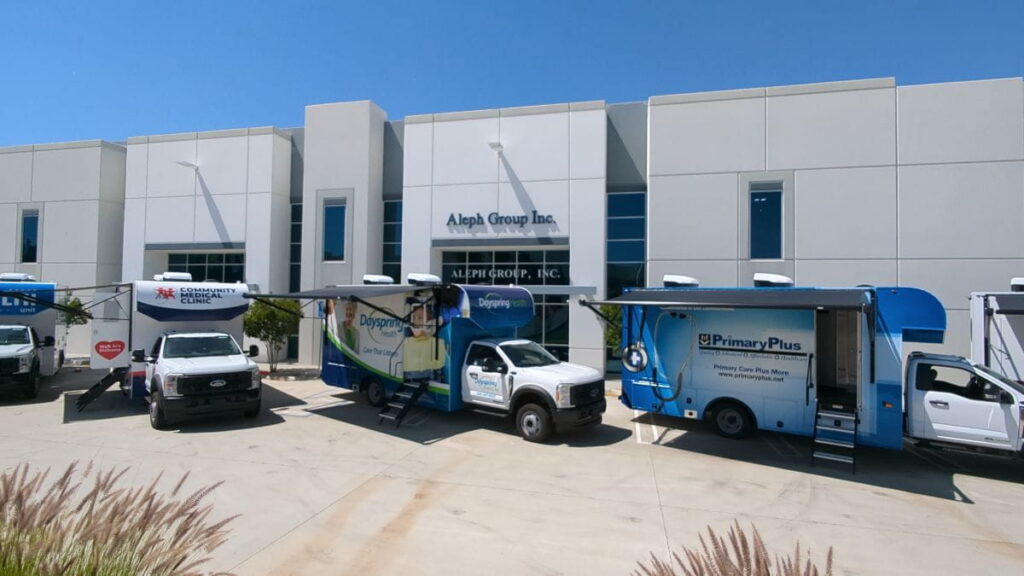
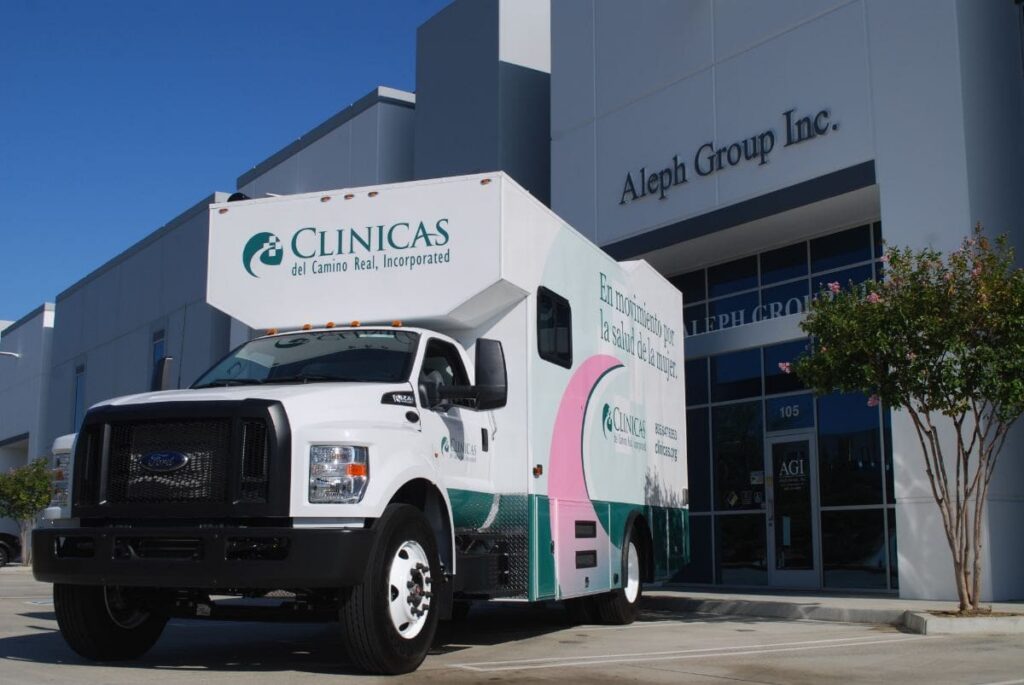
Healthcare delivery is undergoing a fundamental shift toward direct community access. As traditional brick-and-mortar facilities face rising overhead, geographic limitations, and patient transport barriers, mobile healthcare infrastructure offers an agile solution. Built on custom heavy-duty truck and trailer platforms, purpose-built mobile medical clinics allow healthcare systems to expand service footprints, bridge health equity gaps, and maximize clinical return on investment (ROI) without the capital burden of physical facility construction.
While physical healthcare facilities remain essential, understanding the benefits of mobile medical clinics is critical for organizations seeking to expand access and optimize service delivery. By combining heavy-duty engineering with flexible deployment, purpose-built mobile units allow healthcare systems to overcome geographic, financial, and logistical barriers, delivering high-quality care directly to the populations that need it most.
To capitalize on these advantages, health systems must look beyond traditional facility models and examine how purpose-built mobile platforms transform clinical delivery. Below are five proven ways mobile medical clinics drive measurable return on investment, enhance patient engagement, and expand healthcare access across communities.
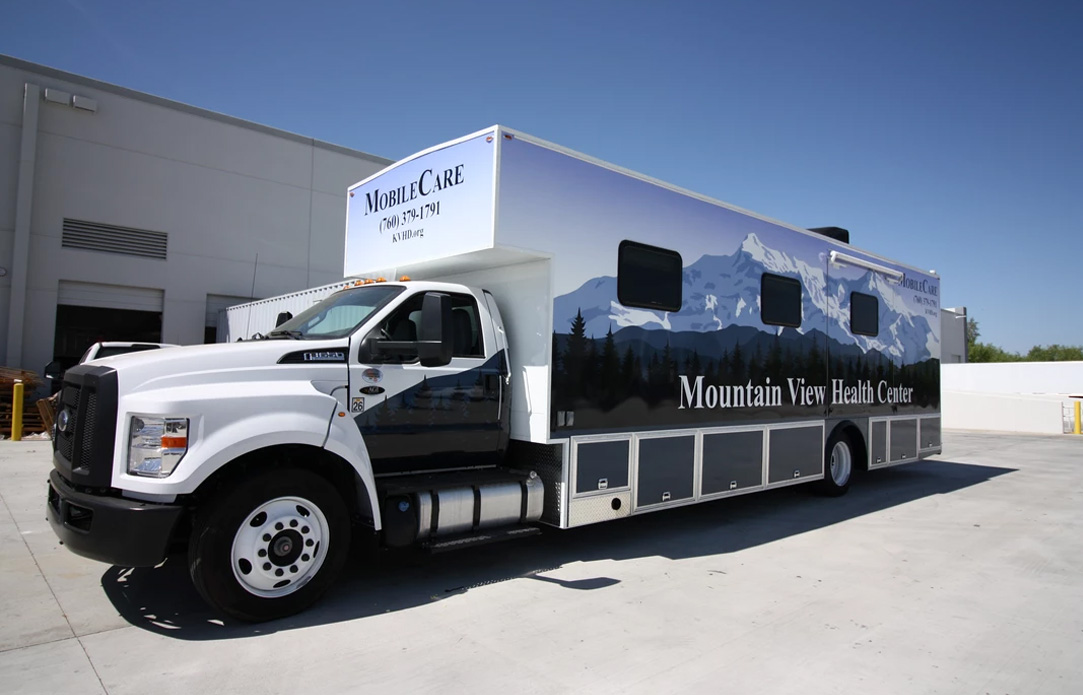
1. Expanded Reach & Direct Accessibility
Traditional brick-and-mortar clinics rely on patients having the time, physical mobility, and transportation required to visit a facility. Mobile medical clinics reverse this relationship by delivering clinical capabilities directly into community hubs, including school districts, civic centers, agricultural sites, and rural outreach locations.
Overcoming Logistical & Distance Barriers
By establishing scheduled rotation routes across under-resourced areas, healthcare providers remove the friction of travel time and transit costs. This localized presence ensures that routine health screenings, vaccinations, and chronic disease management services are accessible to populations that would otherwise forgo care.
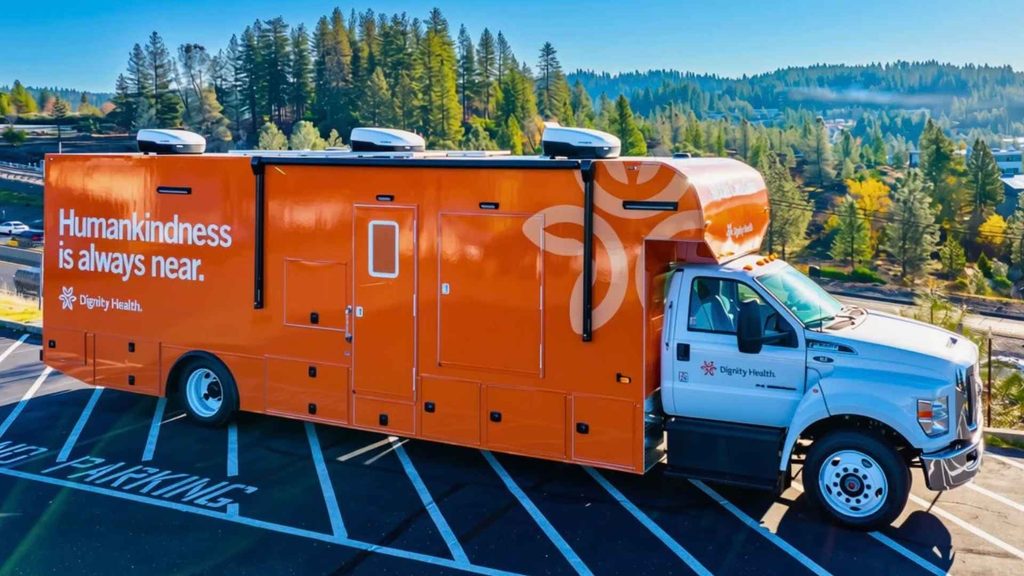
Purpose-Built Heavy-Duty Engineering
Unlike light-duty commercial vehicle retrofits, modern mobile medical clinics are engineered on commercial heavy-duty truck chassis and custom trailer platforms built to handle continuous operations.
Key Engineering Highlights
- Custom Structural Integrity: All-aluminum or heavy-gauge steel body construction designed for multi-decade operational lifespans.
- Optimized Weight Distribution: Custom axle load calculations to ensure stability, highway safety, and structural support for heavy diagnostic equipment.
- Reinforced Frame Rails: Commercial-grade chassis foundations capable of enduring high-mileage rural routes without structural fatigue.
Specialized & Custom Configurations
Modern specialty vehicle manufacturing enables mobile units to be custom engineered for diverse medical disciplines:
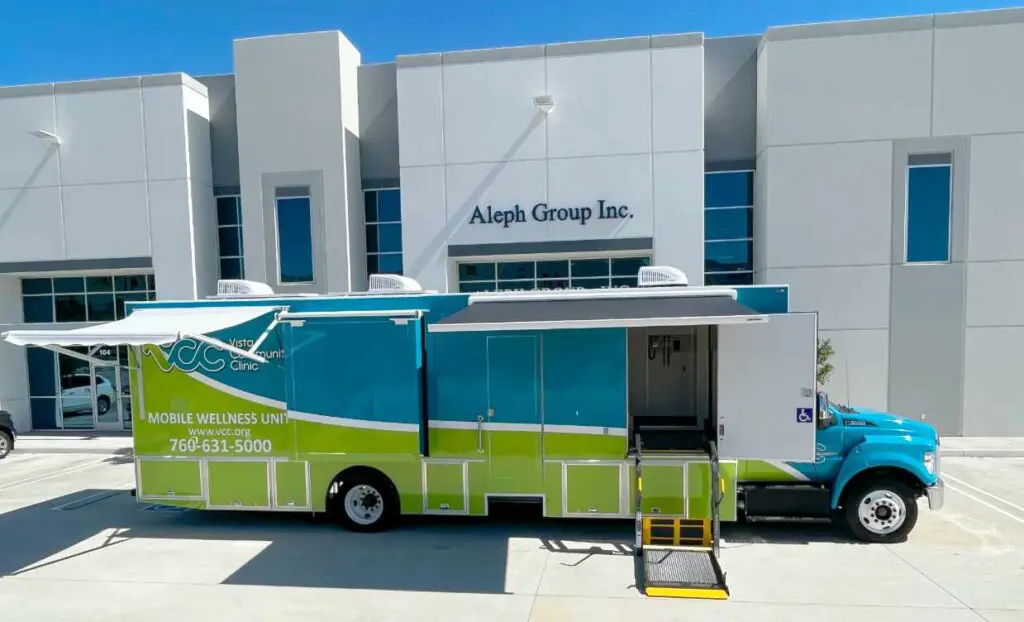
- Primary Care & Wellness: Multi-room exam configurations optimized for physicals, health risk assessments, and routine triage.
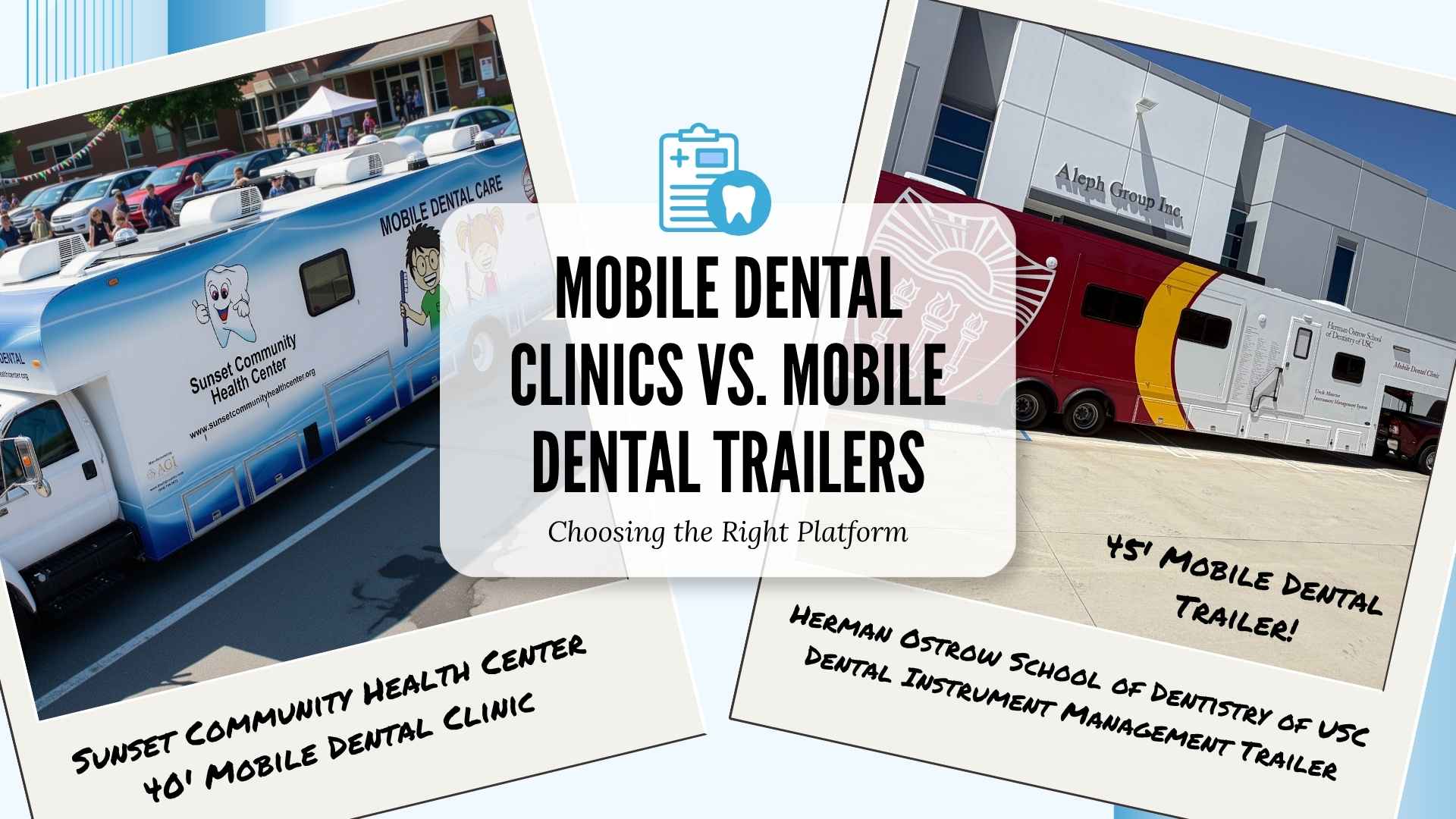
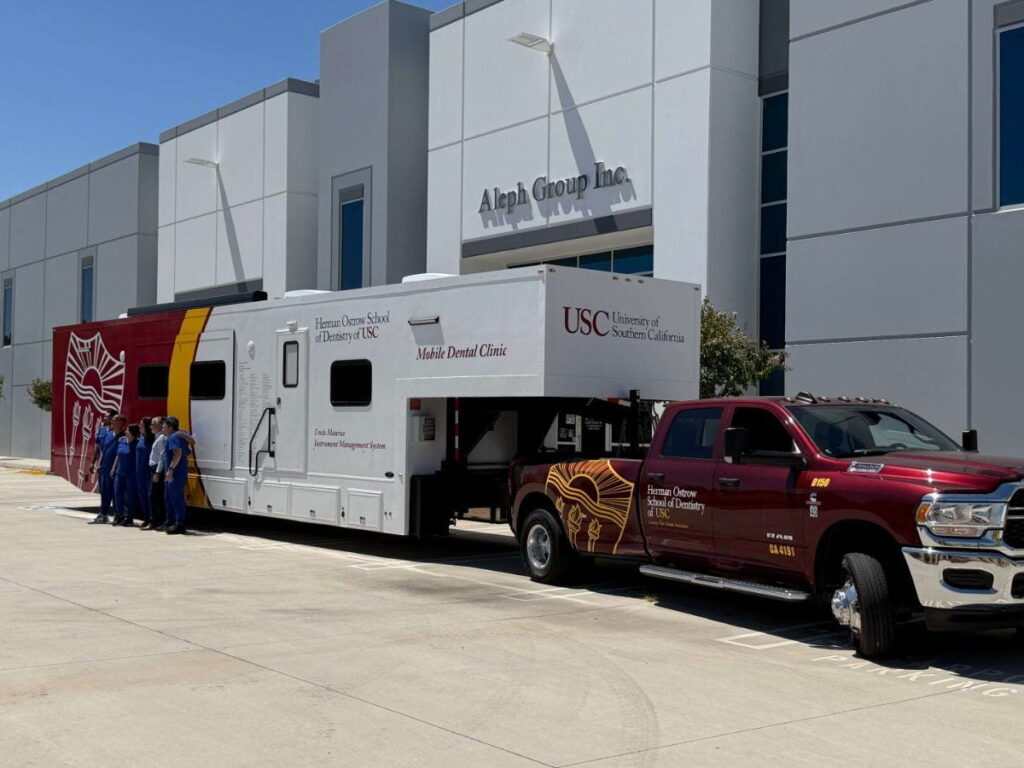
- Mobile Dental Units: Complete sanitization and operatory suites equipped with digital imaging, vacuum systems, and clinical workstations.
- Diagnostic & Screening Vehicles: Specialized layouts integrating digital mammography, X-ray imaging, and laboratory diagnostic stations.
Operational Use Case: Improving Health Outcomes
A study comparing a Mobile Health Clinic (MHC) in Baltimore with a comparable traditional clinic found that the percentage of clients who agreed to undergo human immunodeficiency virus (HIV) screening was higher at the MHC (54.4% in MHC vs. 7.1% in traditional clinic), and that the percentage of HIV tests that turned out positive was also higher at the MHC (5.4% in MHC vs. 2.0% in traditional clinic), indicating that MHCs facilitate more HIV screenings and are more efficient at reaching high-risk populations [58]. Because of their ability to connect with vulnerable individuals, MHCs can help identify additional cases of infectious and chronic diseases in a nontraditional setting [11–13, 59].*
* Information provided by the National Library of Medicine, The scope and impact of mobile health clinics in the United States: a literature review, Improving Health Outcomes, Screenings, Section 11.
2. Advanced On-Board Technology & Connectivity
Modern mobile clinics function as complete, self-sustained healthcare environments capable of supporting sophisticated diagnostic and therapeutic procedures off-grid.
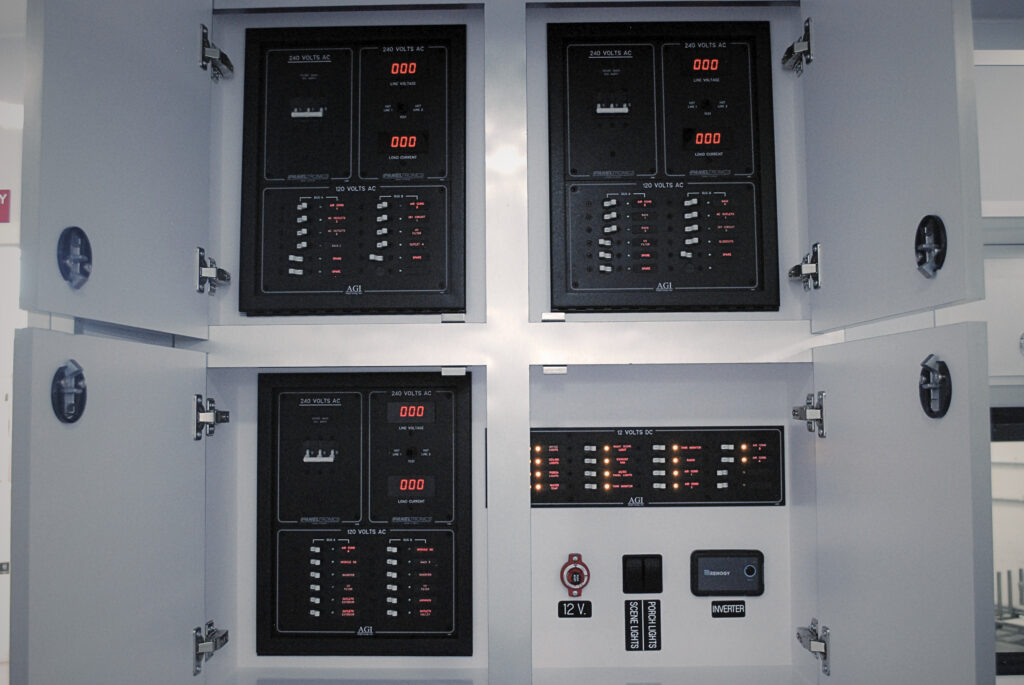
Heavy-Duty Infrastructure & Power Autonomy
To maintain seamless clinical operations without relying on site infrastructure, specialty vehicles integrate robust power and environmental control systems:
- Commercial Power Systems: On-board commercial-grade diesel or quiet-gas generators paired with shore power transfer switches and lithium battery storage banks for redundant power backup.
- Medical-Grade HVAC & Air Handling: Dedicated climate control systems featuring HEPA filtration, active humidity control, and positive/negative air pressure capability for infection isolation.
- Clean & Wastewater Management: Integrated fresh and gray water holding tanks with automated monitoring and heating systems for freeze prevention.
Point-of-Care Diagnostics & Real-Time EMR Synchronization
Mobile units eliminate delays in patient care by incorporating fully connected diagnostic tools and real-time electronic medical record (EMR) integration:
- Enterprise Connectivity Hardware: Multi-carrier LTE/5G cellular bonded routers paired with high-gain external antennas and satellite backup options (e.g., Starlink) to maintain uptime in remote zones.
- Instant EMR Synchronization: Secure, HIPAA-compliant network infrastructure allowing clinicians to access, update, and upload patient charts live during appointments.
- Point-of-Care Diagnostics: Integrated digital X-ray processing, blood analysis stations, and telehealth suites for real-time specialist consultations.
3. Financial Sustainability & Measurable ROI
Mobile healthcare platforms offer an efficient entry into new markets while generating sustained financial returns through operational efficiency and increased patient engagement.
Comparative Cost Breakdown
| Cost Factor | Brick & Mortar Facility | Purpose-Built Mobile Unit |
|---|---|---|
| Capital Expenditure (CapEx) | High ($2M-$5M+ buildout & land acquisition) | Moderate ($300K-$1.2M custom build) |
| Operational Expenditure (OpEx) | High (Rent, utilities, facility maintenance) | Low (Fuel, routine chassis/generator service) |
| Time to Deployment | 18 to 36 months | 6-12 months |
| Geographic Agility | Fixed location | Fully mobile across multiple communities |
Revenue Models & Grant Opportunities
- Reduced No-Show Rates: Bringing care directly to patient communities significantly decreases missed appointment rates, protecting billable provider hours.
- Expanded Patient Acquisition: Mobile clinics act as an outreach funnel, identifying high-risk patients and referring complex cases back to central health systems.
- Federal & State Grant Alignment: Funding opportunities, such as HRSA Health Center Program grants, USDA Community Facilities grants, and regional health transformation initiatives, frequently prioritize physical mobile infrastructure investments.
4. Patient-Centered Care & Preventive Health Engagement
Patient-Centered Care and Preventive Health Engagement shifts the focus from treating a disease to caring for the whole person, which improves health results and lowers overall costs.
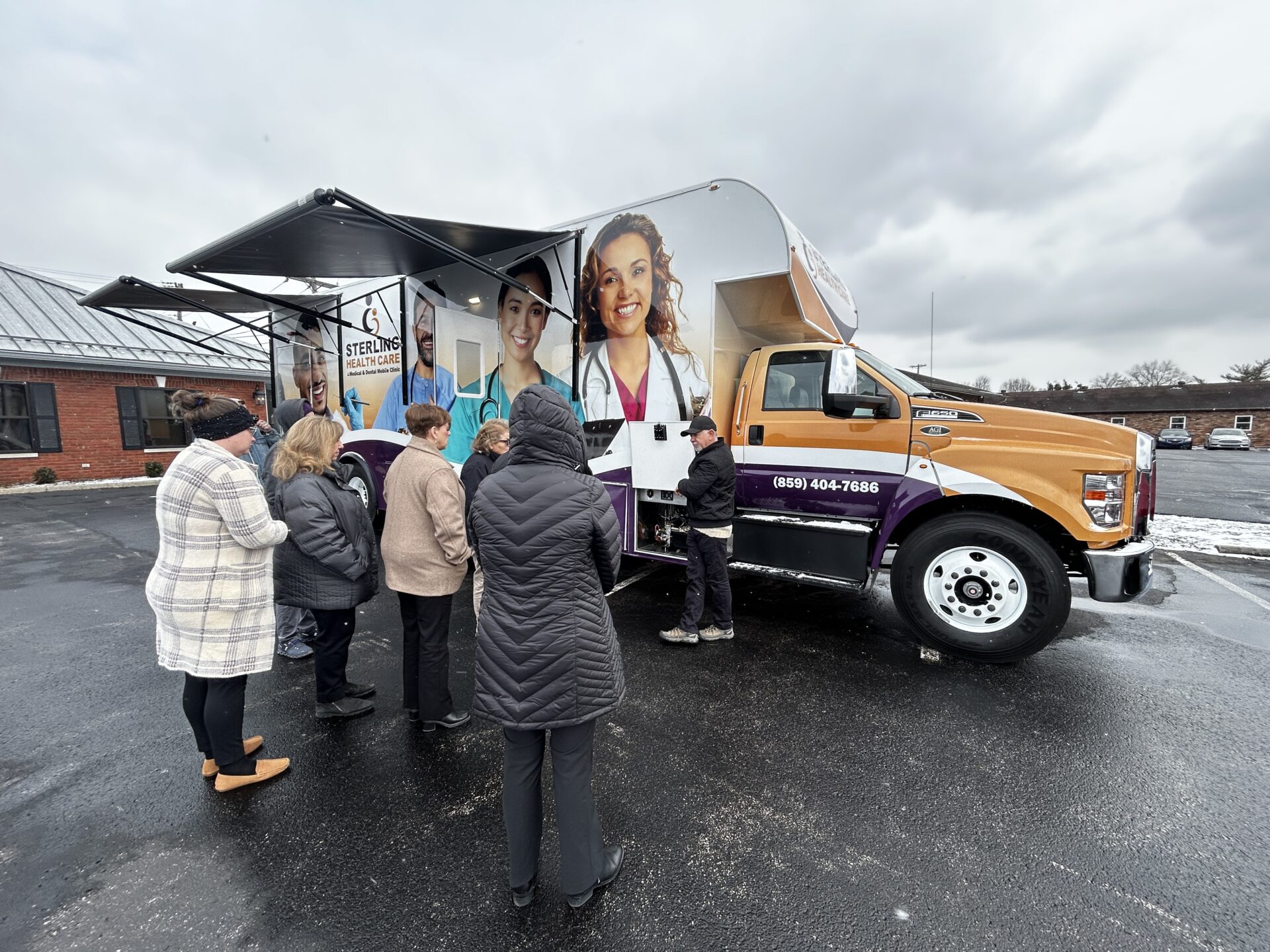
Mobile clinics excel at fostering trust within communities that may be hesitant to engage with traditional institutional healthcare settings. Bringing compassionate care directly into neighborhood spaces removes clinical intimidation and encourages proactive health management.
Benefits for Patients
- Better Health Outcomes: Personalized care plans and regular preventive screenings lead to faster recoveries and better management of chronic conditions.
- Higher Satisfaction: Patients feel heard, respected, and valued as equal decision-makers in their treatment.
- Increased Empowerment: Clear communication helps patients understand their health, building the confidence needed to follow through with care plans.
Benefits for Healthcare Providers and Systems
- Reduced Costs: Early intervention and preventive care lower the need for expensive emergency room visits and hospital readmissions.
- Improved Efficiency: Engaged patients miss fewer appointments, reducing wasted time and lost revenue for clinics.
- Lower Burnout: Clear collaboration and automated tools lighten the administrative and emotional burden on clinical care teams
5. Strategic Brand Visibility & Community Outreach
A mobile medical clinic serves as a high-visibility, moving billboard for healthcare organizations, building trust through regular, visible presence in target neighborhoods.
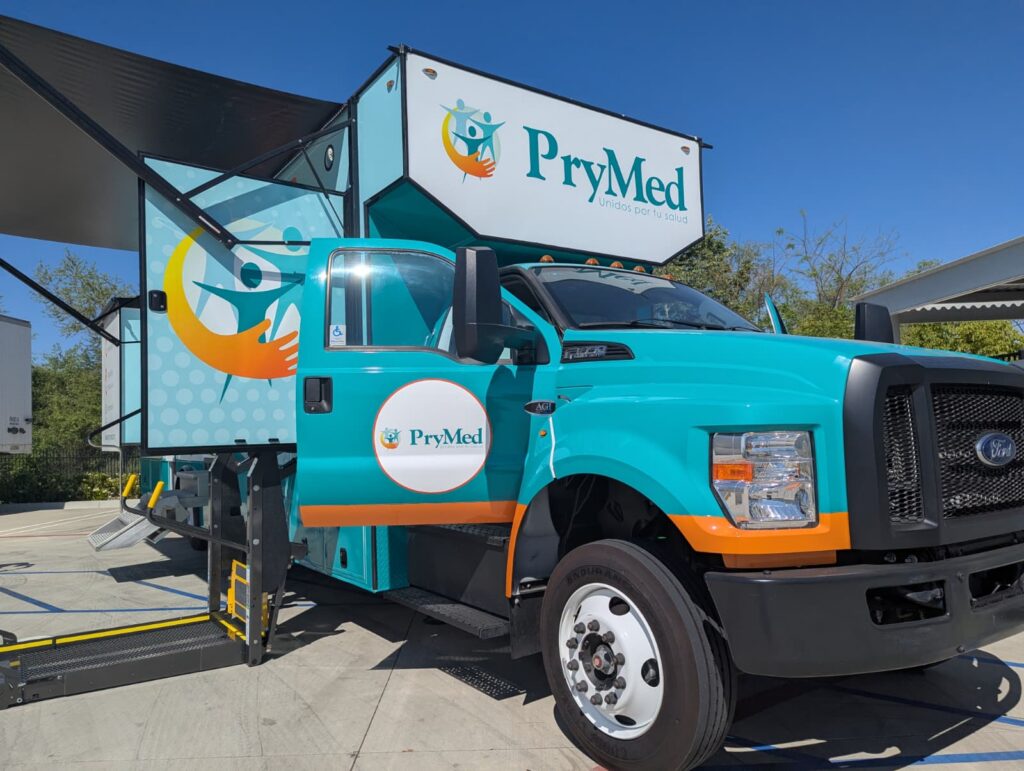
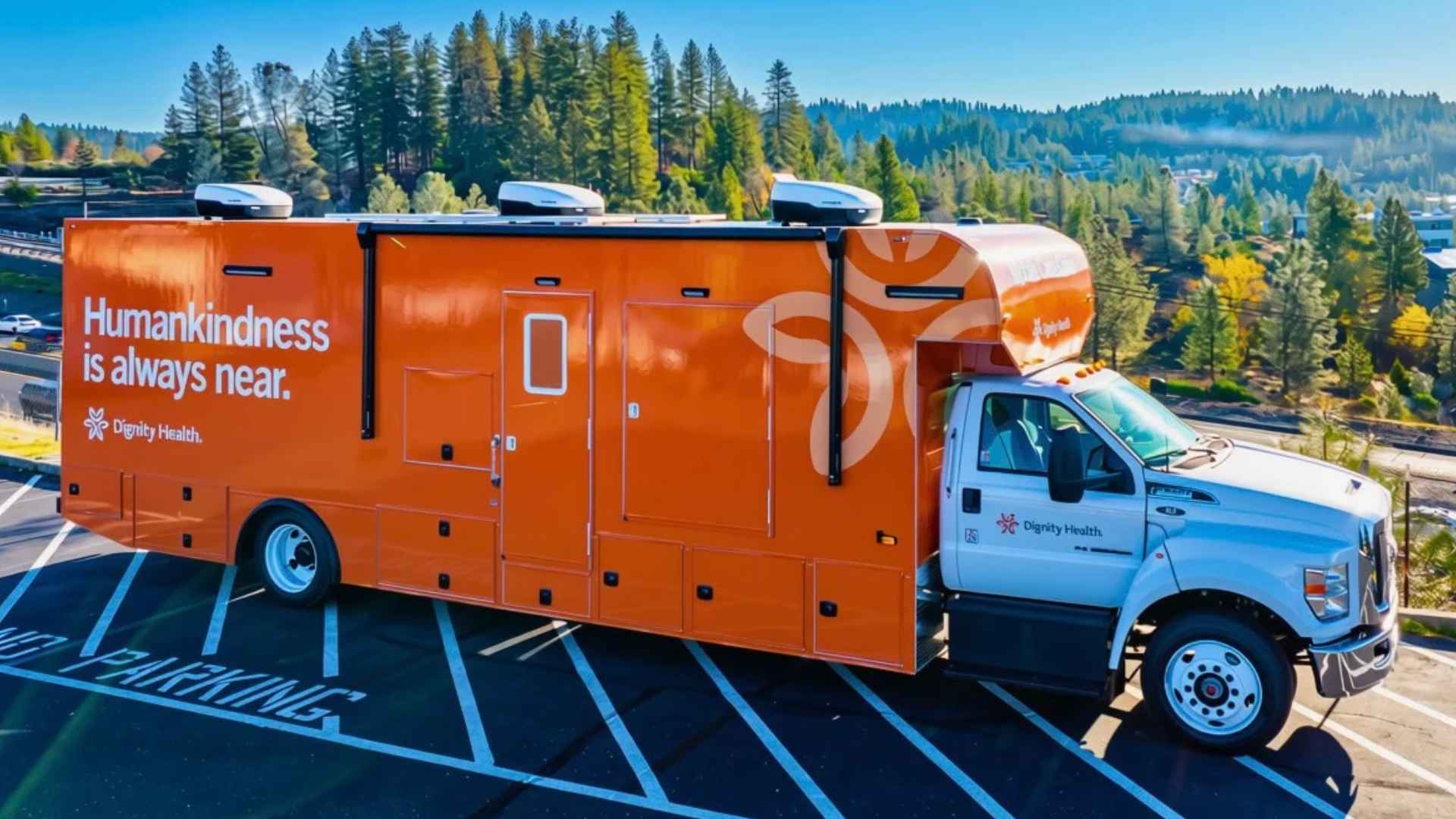
- Full Custom Wraps: High-impact exterior graphics increase brand recognition across service territories.
- Community Trust Building: Consistent appearance at localized events, schools, and health fairs establishes institutional credibility within underserved communities.
- Scalable Service Footprint: Organizations can pilot healthcare programs in new markets prior to committing to physical site lease agreements.
How to Choose the Right Mobile Unit
- Define the Primary Mission: Determine whether the unit requires clinical consultation space, specialized equipment mounts (e.g., X-ray or dental chairs), or sterilization/utility equipment.
- Evaluate Chassis Capabilities: Select heavy-duty truck or trailer configurations based on expected terrain, payload requirements, and room layout needs.
- Assess Power & HVAC Demands: Calculate total electrical loads for medical devices and select appropriate generator and battery capacity.
- Plan for Regulatory Compliance: Ensure early alignment with federal motor vehicle, health department, and accessibility guidelines.
Conclusion: Turning Infrastructure into Community Impact
Investing in a mobile medical clinic is more than an operational expansion, it’s a strategic decision to make healthcare proactive, accessible, and resilient. By removing geographical barriers and optimizing point-of-care delivery, purpose-built mobile units enable healthcare providers to extend their clinical reach, improve long-term patient outcomes, and achieve sustainable return on investment.
However, realizing these long-term benefits depends entirely on selecting an engineering foundation that can support your clinical workflow, meet strict health compliance codes, and withstand daily high-mileage deployment. Choosing the right build partner is the critical first step toward turning your program vision into an operational success.
Frequently Asked Questions
How much does a custom mobile medical clinic cost to build and operate?
Build costs typically range from $300,000 to over $1,000,000 depending on chassis size, interior complexity, and specialized medical equipment integration. Operating expenses are substantially lower than fixed facilities, consisting primarily of fuel, vehicle maintenance, and staffing
What grant programs help fund mobile health units?
Key funding sources include HRSA Capital Improvement and Health Center Program grants, USDA Rural Development grants, state-level health transformation programs, and private philanthropic foundations.
How long does the engineering and manufacturing process take?
The custom design, engineering, and manufacturing timeline typically ranges between 6 to 12 months depending on chassis availability, customization level, and specialized equipment integration.
What licensing and compliance standards apply to mobile clinics?
Specialty mobile clinics must adhere to multi-layered regulatory standards:
- DOT / FMCSA: Federal Motor Carrier Safety Administration rules covering Gross Vehicle Weight Ratings (GVWR), air brakes, driver licensing, and vehicle safety inspections.
- CDC / Infection Control: Non-porous, seamlessly sealed antimicrobial surfaces and strict air exchange rates for clinical areas.
- ADA Compliance: Commercial-grade wheelchair lifts, minimum door clearances, and interior turning radii.
- HIPAA: Sound-attenuating acoustic insulation for private consultation zones and encrypted network hardware for safe data transfer.
Ready to take the next step in planning your mobile health initiative?
Read our comprehensive guide, How to Choose the Right Custom Mobile Medical Clinic Manufacturer (5 Essential Requirements), to discover the five critical criteria every healthcare organization should evaluate before selecting a manufacturing partner.