Summary
The main difference between a motorized mobile dental clinic and a towable mobile dental trailer lies in mobility, layout space, and operational setup:
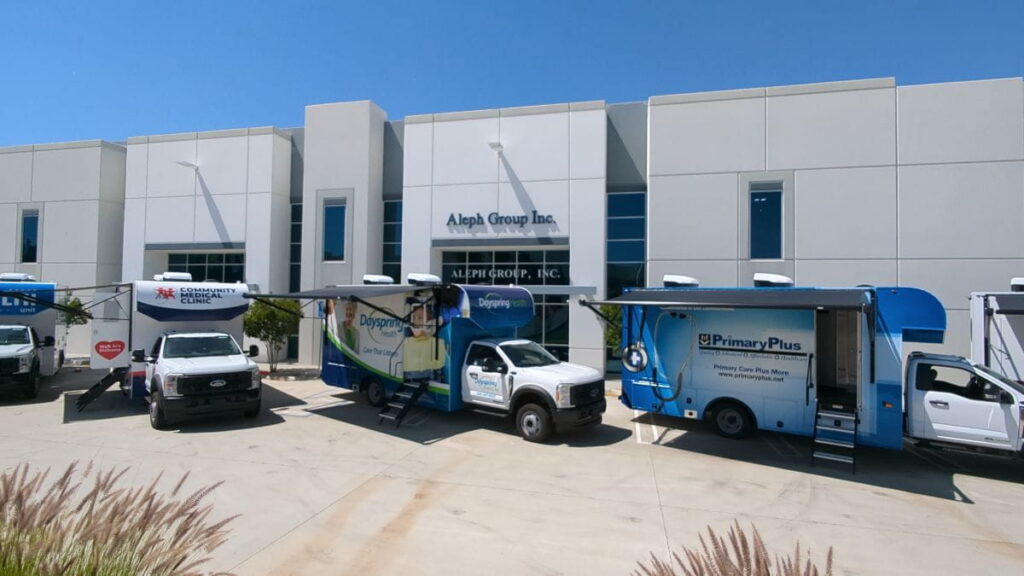
- Mobile Dental Clinics (Truck Chassis): Best for single-day pop-up visits, rapid deployment (5-10 minute setup), urban navigation, and single-driver operations. They typically accommodate 1 to 2 operatory chairs. Choose a motorized clinic if your program requires daily site changes and easy maneuverability.
- Mobile Dental Trailers (Towable): Best for high-volume patient throughput, multi-day stationary health programs, and multi-provider teams. They accommodate 2 to 4+ operatory chairs, expanded waiting areas, and dedicated instrument sterilization suites, but require a tow vehicle and 20-40 minutes of setup time. Choose a dental trailer if you need maximum floor space and operate extended multi-day clinical visits.
Choosing the Right Platform for Your Mobile Dental Program
Choosing the right platform for a mobile dental program is one of the most critical decisions a healthcare organization, community health center, or non-profit will make. While both motorized mobile dental clinics and towable mobile dental trailers bring essential diagnostic and clinical care directly to underserved communities, their operational capabilities, spatial layouts, and long-term deployment strategies differ significantly.
Whether you are expanding school-based programs, providing routine care, or setting up multi-day rural dental clinic outreach, selecting between a self-contained motorized unit and a heavy-duty towable trailer impacts everything from budget allocation to staffing requirements.
Motorized vs. Towable: Understanding Each Mobile Dental Vehicle Platform
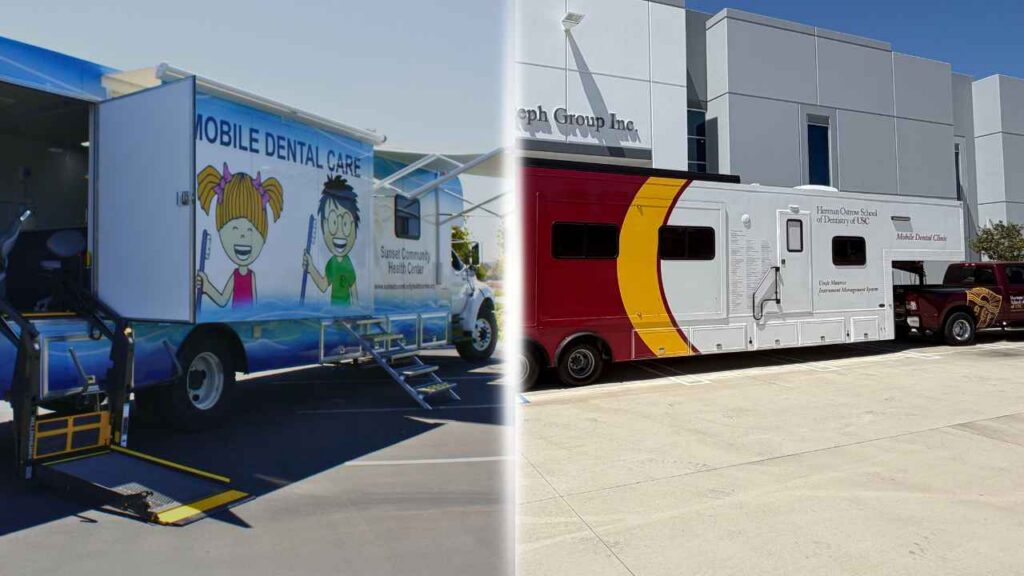
Before evaluating specific operational needs, it is essential to understand the primary engineering differences between these two specialty vehicle configurations.
Motorized Dental Clinics (Pros & Cons)
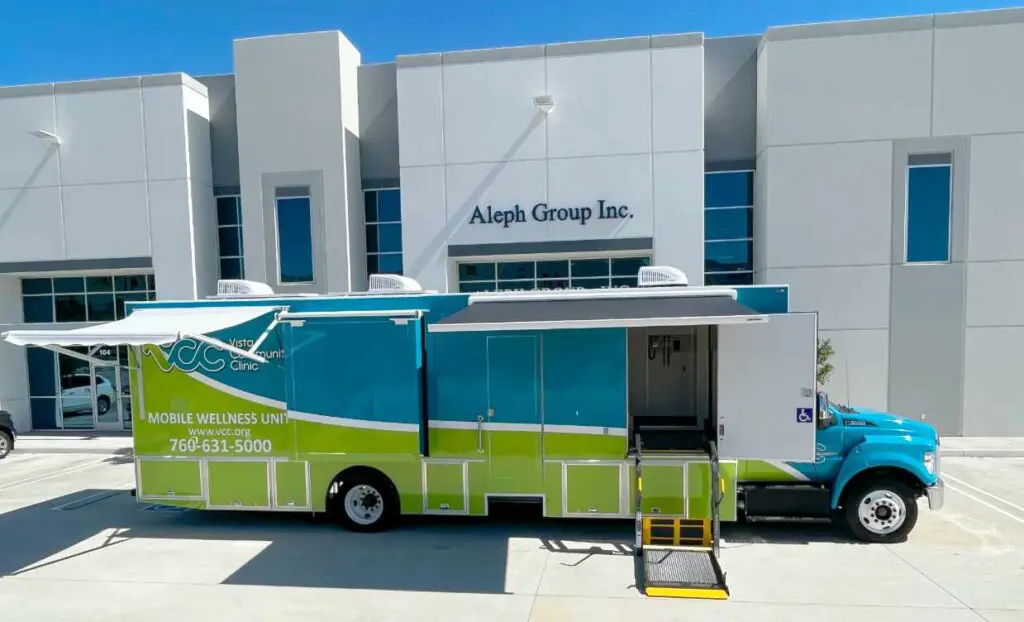
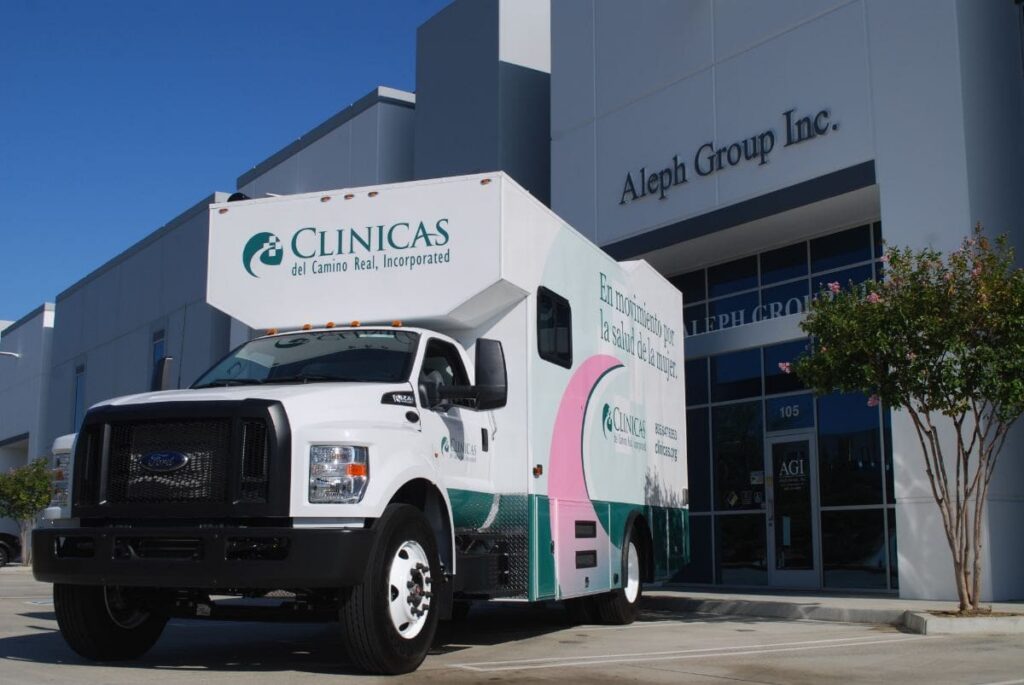
Motorized mobile dental clinics built on a custom truck chassis, such as a Class 5 to Class 7 commercial frame, offer a powerful balance of maneuverability, structural payload capacity, and standalone operational capability.
- Primary Use Case: Daily site visits, high-density urban areas, rapid emergency response, and programs requiring quick setup times.
- Key Advantage: A single operator can drive the vehicle, park at a school or community center, activate onboard power, and begin patient care within minutes.
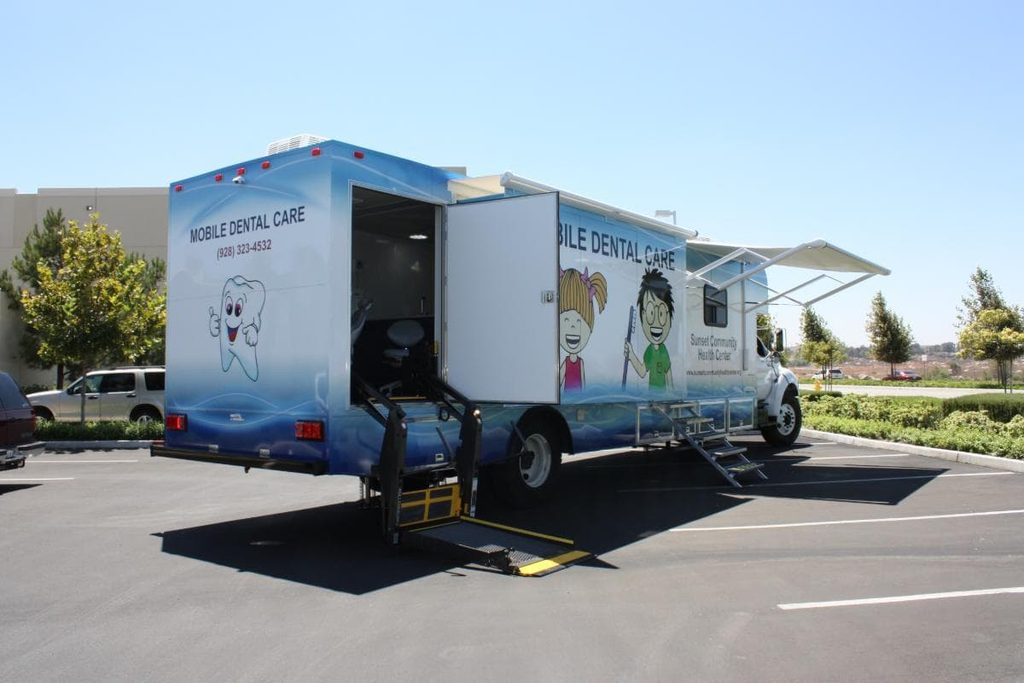
Pros of a Motorized Mobile Dental Clinic
- Single-Unit Mobility & Rapid Deployment: The driving cab, powertrain, and clinical suite are integrated on a single frame. A single driver can park at a school, community center, or clinic site, level the vehicle, activate onboard power, and begin patient care within 5 to 10 minutes.
- Higher Payload & Heavy Equipment Capacity: Compared to standard vehicle conversions, a medium or heavy-duty truck chassis provides a significantly higher Gross Vehicle Weight Rating (GVWR). This easily accommodates heavy clinical equipment, including full-recline dental chairs, lead-lined digital X-ray prep stations, onboard air compressors, vacuum suction units, and large fresh/grey water tanks.
- Non-CDL Accessibility (Up to 26,000 lbs. GVWR): Many motorized truck-chassis builds are engineered just under the 26,001 lbs. threshold, allowing regular clinical or administrative staff to drive the vehicle without requiring a Commercial Driver’s License (CDL).
- Superior Urban & Tight-Space Maneuverability: A single-unit truck is much easier to navigate through crowded city streets, narrow school parking lots, and residential facility driveways than a long truck-and-trailer combination.
- All-In-One Generator & Power Integration: Truck-chassis units seamlessly integrate heavy-duty diesel or commercial generators into the frame, tied directly to auxiliary fuel tanks for extended, self-contained off-grid operation.
Cons of a Motorized Mobile Dental Clinic
- Higher Upfront Capital Cost: Integrating a complete dental operatory onto a motorized commercial chassis involves a higher initial investment than purchasing a towable trailer.
- Maintenance & Downtime Vulnerability: Because the powertrain and the clinic share one frame, taking the vehicle to a mechanic for engine, transmission, or chassis service means the entire clinical unit is temporarily out of commission.
- Footprint & Room Expansion Constraints: While roomier than a standard van, a truck chassis is limited by fixed body dimensions and axle width, making it harder to fit more than 2 operatory chairs or separate decontamination/sterilization suites without adding length, weight, or slide-outs.
- Vehicle Lifespan Misalignment: The mechanical components of an engine/chassis generally wear out faster (due to mileage, engine hours, and idle time) than the high-quality clinical cabinetry, dental chairs, and sterilization equipment inside.
- Higher Licensing & Insurance Overhead: Comprehensive vehicle insurance for a motorized specialty truck (covering both collision/liability and medical equipment) is higher than insuring a non-motorized trailer.
Towable Dental Clinics/Mobile Dental Trailers (Pros & Cons)
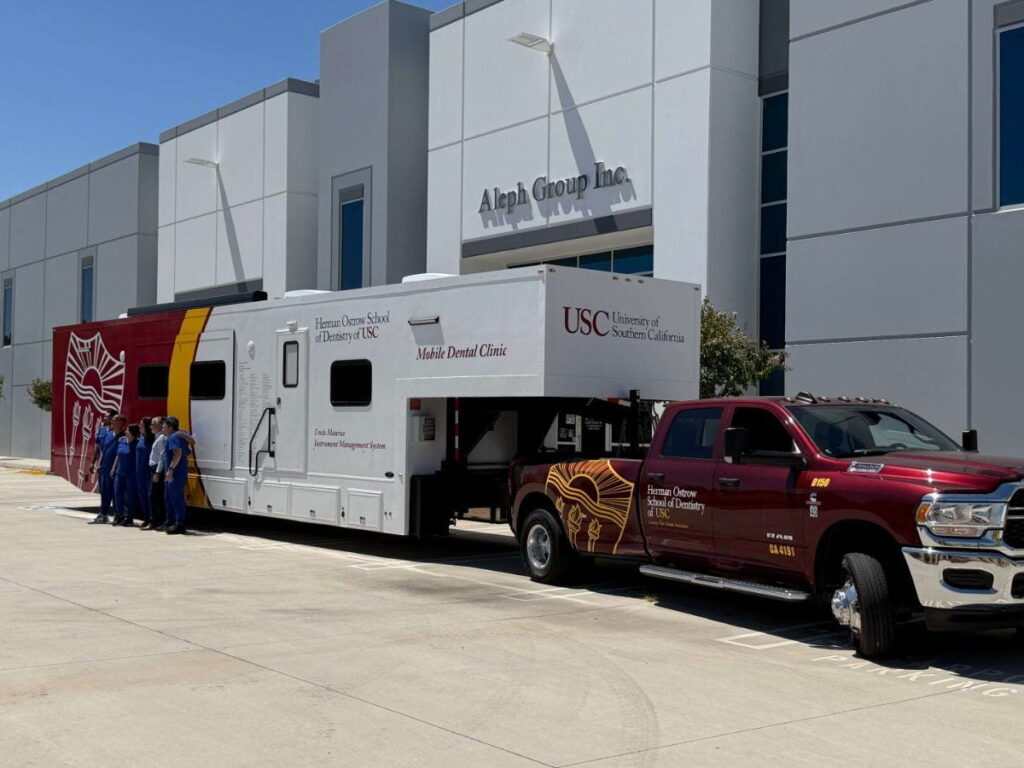
Mobile dental trailers are heavy-duty, towable non-motorized units that rely on an independent tow vehicle (such as a heavy-duty pickup or semi-tractor) for transport. Towable mobile dental trailers offer distinct operational and spatial advantages compared to motorized single-unit clinics, though they also come with specific logistical trade-offs.
- Primary Use Case: High-volume community health deployments, multi-day clinical visits in rural regions, and programs requiring extensive square footage or separate instrument management zones.
- Key Advantage: Maximum interior square footage and payload capacity, allowing for 3-4+ operatory chairs, expanded waiting areas, or separate sterilization suites.
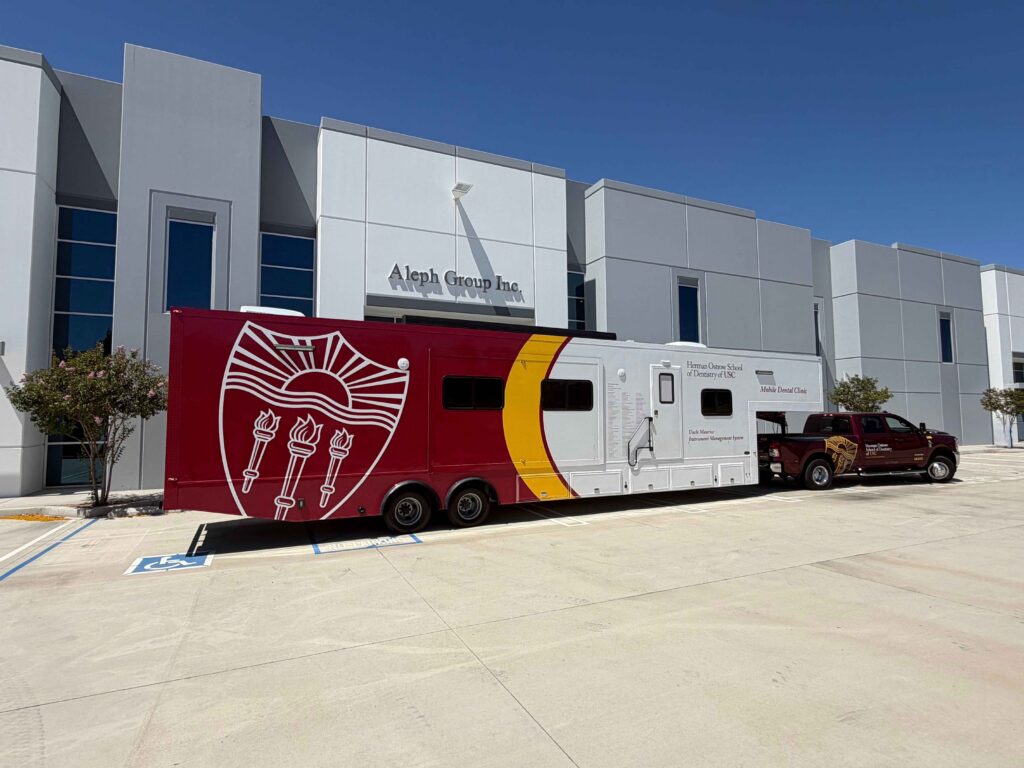
Pros of a Mobile Dental Trailer
- Maximum Interior Square Footage & Layout Capacity: Mobile dental trailers can extend up to 53 feet in length and utilize hydraulic slide-outs. This expanded footprint easily accommodates 3 to 4+ operatory chairs, dedicated patient waiting rooms, consultation offices, or separate clean/dirty decontamination rooms for instrument sterilization.
- Lower Initial Cost Per Square Foot: Because a trailer is independent from the towing vehicle, manufacturing costs are concentrated entirely on the structural frame and clinical operatory. This yields a lower purchase price relative to the usable clinical floor space.
- Separation of Tow Vehicle & Clinical Asset: The trailer’s tow vehicle (a heavy-duty pickup truck or semi-tractor) can be serviced, repaired, or replaced independently without taking the clinical unit offline. Additionally, once the trailer is parked at a location, the tow vehicle can be unhitched and used for administrative tasks or transporting staff.
- Longer Structural Lifespan: Without internal engine wear, transmission strain, or driving mileage affecting the frame, a well-engineered specialty trailer can remain structurally and operationally sound for decades, requiring only routine maintenance on axles, tires, and internal equipment.
- Lower Insurance & Overhead Costs: Insuring a stationary, non-motorized asset for liability and equipment coverage is generally less expensive than carrying full commercial auto collision and comprehensive coverage on a high-value motorized specialty vehicle.
Cons of a Mobile Dental Trailer
- Complex Logistics & Towing Requirements: Transporting a heavy-duty specialty trailer requires a compatible towing vehicle with appropriate hitching capabilities, brake controllers, and payload capacity. Larger trailers may require a Commercial Driver’s License (CDL) or driver training for heavy towing.
- Longer Setup & Takedown Times: Arriving at a site requires unhitching, deploying leveling jacks, connecting external shoreline power/water hookups (or starting an external generator), and testing slide-out extensions before welcoming patients, taking roughly 20 to 40 minutes per deployment.
- Maneuverability & Parking Constraints: Towed units require large turn radiuses and ample clearance, making them difficult to maneuver into tight urban streets, compact school parking lots, or residential facility driveways.
- Dependence on Tow Vehicle: If your program does not own a dedicated tow vehicle, you must rely on third-party transport services or rental trucks every time the clinic moves locations, adding recurring logistics expenses.
- Less Suited for Single-Day “Pop-Up” Visits: Due to the time required for setup, unhitching, and leveling, trailers are less efficient for short 1-to-2-hour site visits or rapid daily multi-stop outreach compared to motorized single-unit trucks.
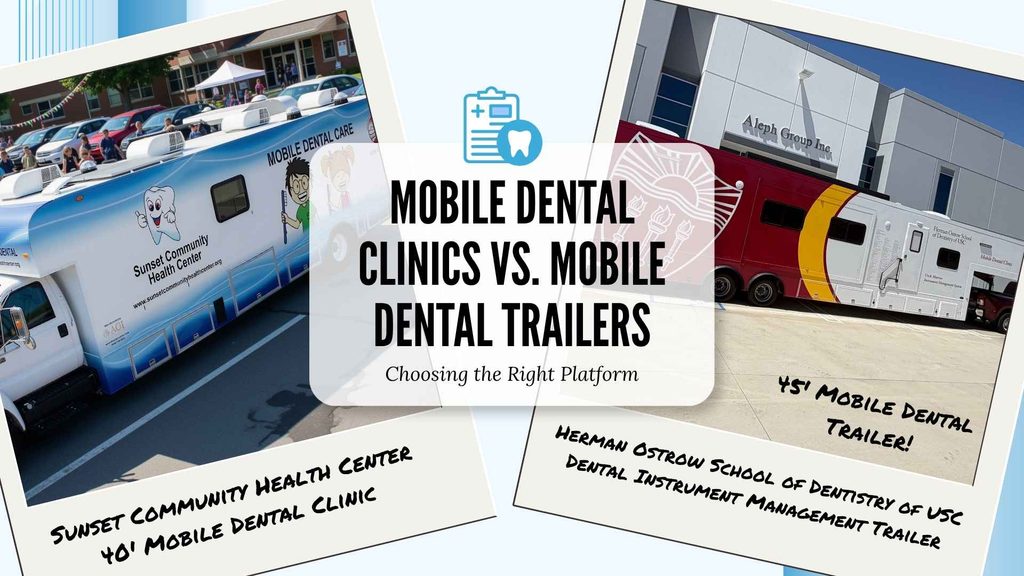
Head-to-Head Platform Comparison
When evaluating motorized clinics against towable trailers, consider how each factor aligns with your operating model, patient throughput requirements, and staffing resources.
| Factors | Motorized Dental Clinics (Trucks/Vans) | Mobile Dental Trailers (Towable) |
|---|---|---|
| Space & Layout Capacity | Compact to mid-sized footprint; typically accommodates 1-2 operatory chairs. | Expanded footprint (up to 53 ft); accommodates 2-4+ chairs with optional slide-outs & clean zones for instrument sterilization. |
| Deployment & Setup Time | Rapid setup (5–10 mins): Park, level, power on, and begin treatment. | Moderate setup (20-40 mins): Unhitch, deploy leveling jacks, connect power/water. |
| Driver & Licensing Needs | Often non-CDL depending on GVWR; easy for staff to operate. | Requires towing experience and proper hitch classification (or CDL for semi-trailers). May require hiring a driver with proper licensing. |
| Instrument Sterilization Workflows | Integrated compact sterilization prep stations within the main cabin. | Space for fully partitioned clean/dirty decontamination rooms. |
| Fleet Flexibility | Vehicle drivetrain and clinic are unified; engine maintenance impacts the entire unit. | Tow vehicle can be serviced independently without taking the clinical trailer out of service. |
| Target Operational Model | Single-day visits to schools, senior centers, or mobile emergency outreach. | Multi-day stationary deployments, regional health hubs, and multi-provider teams. |
Key Decision Factors for Dental Program Directors
1. Spatial Layout & Equipment Integration
Heavy equipment, including digital X-ray prep stations, full-recline patient chairs, vacuum suction systems, and onboard sterilization units, requires precise weight distribution and electrical zoning.
- Motorized Clinics: Excel at streamlined 1-chair or 2-chair layouts. They maximize every inch of space while maintaining a compact gross vehicle weight rating (GVWR).
- Dental Trailers: Offer the spatial headroom required for multi-operatory setups, dedicated patient consultation rooms, and specialized sterilization infrastructure (such as dedicated instrument processing suites).
2. Community Accessibility & Site Logistics
Consider the physical environments your mobile unit will navigate daily:
- Urban & School Parking Lots: Motorized units offer superior maneuverability in tight city streets, crowded school drop-off zones, and facility parking lots.
- Rural & Regional Health Infrastructure: For multi-day visits to rural health centers or regional clinics, trailers provide a permanent-feeling clinical footprint that can remain on-site while tow vehicles handle other logistical tasks.
3. Patient Mobility & Demographic Needs
Both platforms can be customized with hydraulic wheelchair lifts, low-barrier entry steps, and climate-controlled waiting areas to serve diverse populations, including pediatric outreach and geriatric care.
Mobile Dental Clinics and Towable Dental Trailers: The Next Wave in Oral Healthcare
Investing in a mobile dental platform is a transformative step toward expanding access to quality oral healthcare in the communities that need it most. Whether your program thrives on the agile, rapid deployment of a motorized truck clinic or the expansive, multi-chair capacity of a towed trailer, selecting the right platform comes down to aligning vehicle engineering with your unique operational goals, staffing, and community outreach scope. By carefully balancing space, mobility, and long-term fleet flexibility, healthcare organizations can build a sustainable mobile dental program that delivers exceptional, compliant care directly to patients’ doorsteps for years to come.
Strategic Recommendation: Which Should You Choose?
- Choose a Motorized Mobile Dental Clinic if: You require a highly mobile unit that visits multiple sites per week, requires single-driver operation, handles urban navigation with ease, and focuses on 1-to-2-chair patient workflows.
- Choose a Specialty Mobile Dental Trailer if: Your program serves high patient volumes, operates stationary multi-day health events, requires dedicated multi-room layouts (such as separate instrument decontamination suites), and has access to appropriate towing infrastructure.
Plan Your Custom Mobile Dental Build
Engineering a purpose-built mobile dental unit requires balancing structural weight distribution, clinical compliance, power generation, and patient comfort. At Aleph Group Inc., we engineer custom specialty vehicles and trailers tailored specifically to your clinical specifications and community outreach goals.
Take the Next Step in Expanding Your Care:
- Request a Custom Floor Plan & Renderings: Explore 1-chair, 2-chair, and multi-operatory layouts designed for your vehicle platform.
- Speak with an Engineering Specialist: Discuss chassis options, onboard power setups, and medical equipment integration with our design team.
For an immediate consultation, schedule your free appointment with Aleph Group Inc. here.
Frequently Asked Questions (FAQ)
Do I need a Commercial Driver’s License (CDL) to drive a mobile dental clinic?
In most cases, no. Motorized mobile dental clinics built on medium-duty chassis under 26,001 lbs Gross Vehicle Weight Rating (GVWR) can be operated with a standard driver’s license. However, larger heavy-duty trucks or semi-trailer configurations that exceed 26,000 lbs GVWR or feature air brakes do require a CDL.
How are mobile dental clinics powered when parked at a community site?
Mobile dental units typically utilize a hybrid power setup for reliability:
• Onboard Commercial Generators: Heavy-duty diesel or gas generators integrated directly into the chassis or trailer frame.
• Shoreline Power Hookups: Heavy-duty electrical cords that plug directly into external building outlets or site power posts.
• Inverter & Battery Banks: Auxiliary battery systems that provide steady power to sensitive digital equipment and basic lighting.
How do mobile dental trailers handle clean water and wastewater management?
Specialty dental vehicles feature dedicated onboard fresh and grey water holding tanks engineered with anti-slosh baffles for weight distribution during transport. Fresh water tanks feed clinical sinks and vacuum units, while grey water tanks store wastewater securely until it can be safely drained into an approved disposal system.
Can a mobile dental unit be equipped with a digital X-ray machine and sterilization suite?
Yes. Both motorized trucks and towed trailers can accommodate lead-lined X-ray prep stations, digital intraoral sensors, and panoramic imaging systems. Additionally, layouts can be engineered with compliant instrument sterilization zones featuring steam autoclaves, ultrasonic cleaners, and distinct clean/dirty airflow separation.
What is the typical lead time to engineer and manufacture a custom mobile dental clinic?
Manufacturing timelines generally range between 6 to 12 months, depending on chassis availability, layout complexity, custom equipment integration, and client review cycles. Planning early ensures your team secures the right chassis and custom floor plan ahead of grant funding or launch deadlines.