Summary
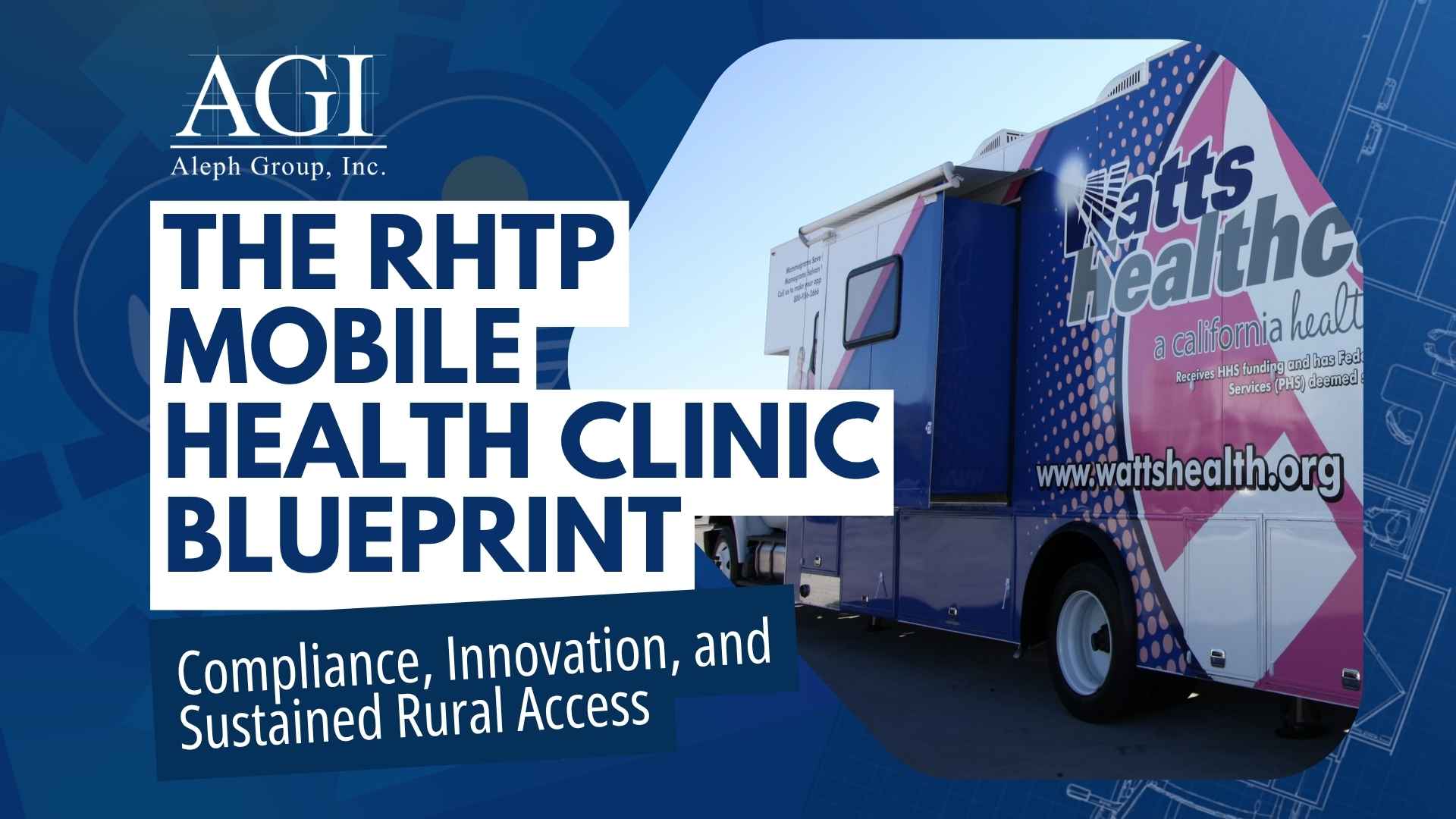
- Custom Trucks (Class 4-8): Best for moving daily. Highly maneuverable and ideal for primary care, mammography, or blood drives.
- Towable Trailers: Extra spacious for high-volume setups, bloodmobiles, dental suites, or dedicated sterilization units.
- Modular Clinics: Semi-permanent, heavy-duty structures for long-term placement at rural centers or facilities.
- Key Planning Steps: Choose your specialty, daily patient volume, travel frequency, ADA needs, restroom requirements, equipment power loads, and outdoor setup needs.
- Must-Haves: Heavy-duty generators/HVAC, antimicrobial clean surfaces, and HIPAA/DOT compliance.
Expanding your healthcare services through a custom mobile clinic is a major milestone for any healthcare provider, non-profit, or hospital system. Operating a mobile health unit allows you to deliver high-quality primary care, dental procedures, and specialized diagnostics directly into underserved communities without requiring patients to travel long distances.
Whether you are evaluating your first vehicle or expanding an existing fleet, choosing the right physical platform and interior configuration is essential to meeting your clinical goals.
Choosing the Right Mobile Healthcare Vehicle Platform
Mobile health units come in various sizes and mechanical structures. Selecting the proper platform depends on your target patient volume, clinical specialty, geographic terrain, and operational frequency.
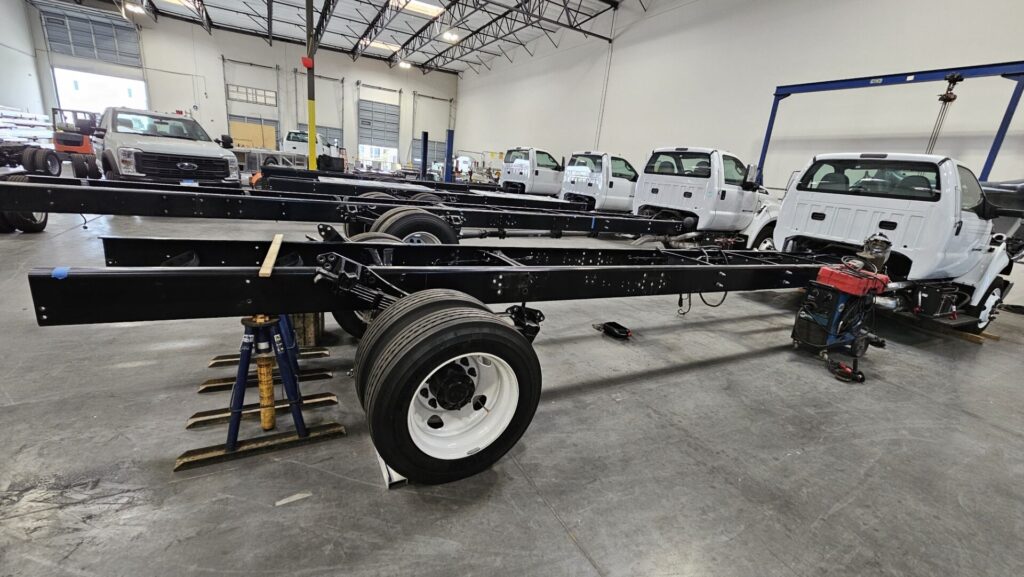
Motorized Chassis & Custom Truck Options
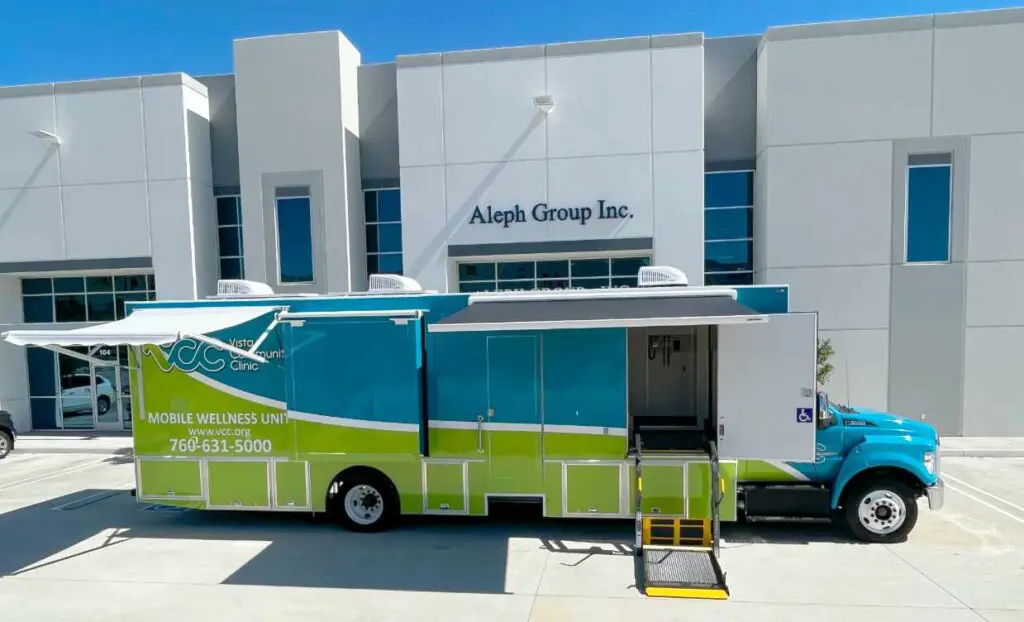
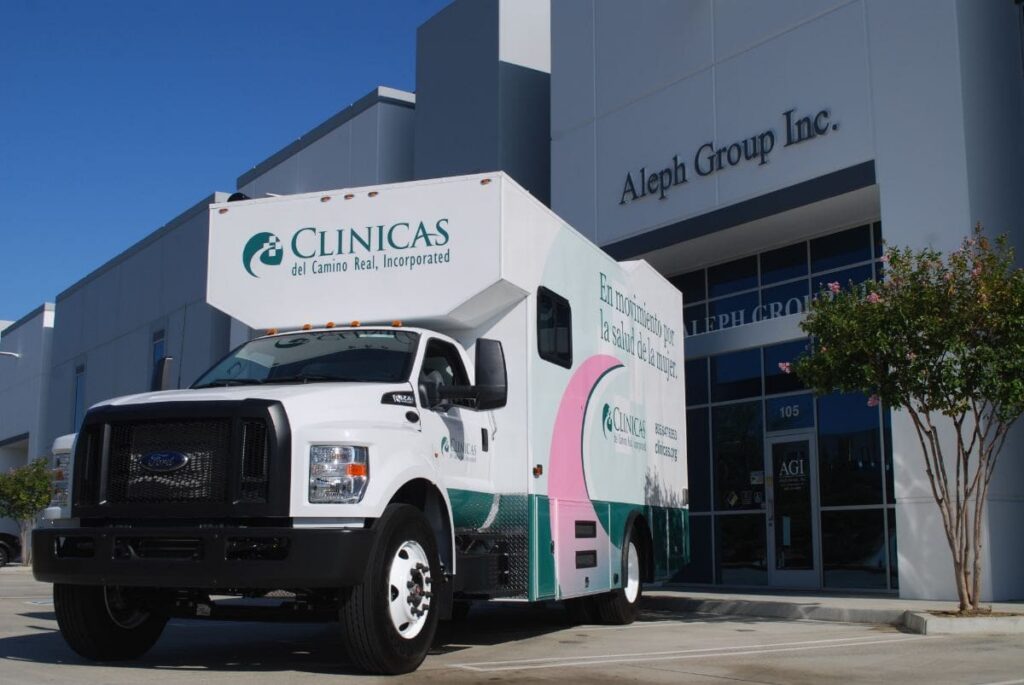
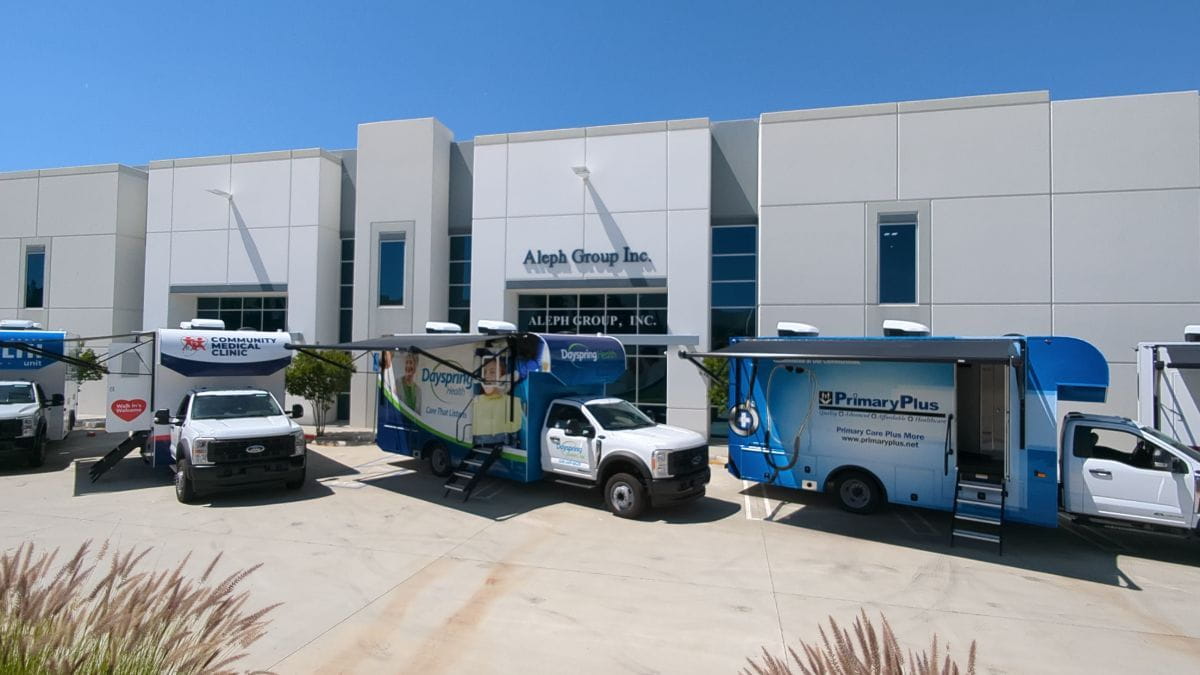
For programs requiring frequent travel and rapid deployment, motorized vehicles built on commercial chassis (such as Class 4-6 cutaway vans or Class 7-8 custom truck chassis) offer high maneuverability and self-contained operation.
- Key Advantages: Easy to navigate through urban neighborhoods or narrow rural roads; fully integrated driver cab and clinical cabin.
- Best Used For: Mobile primary care, mammography, blood donation, and urgent response units that change locations daily.
Towable Fifth-Wheel & Gooseneck Trailers
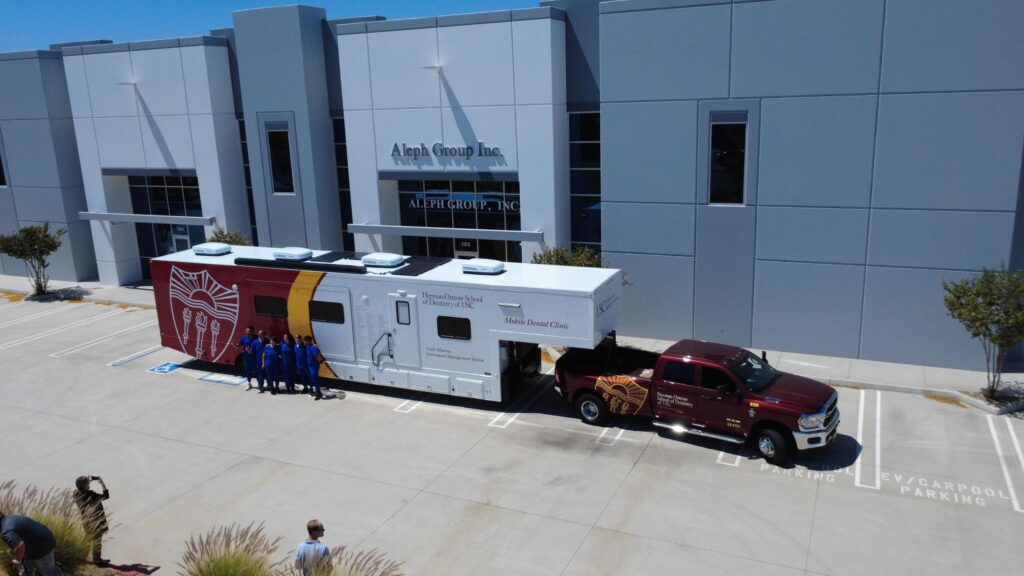
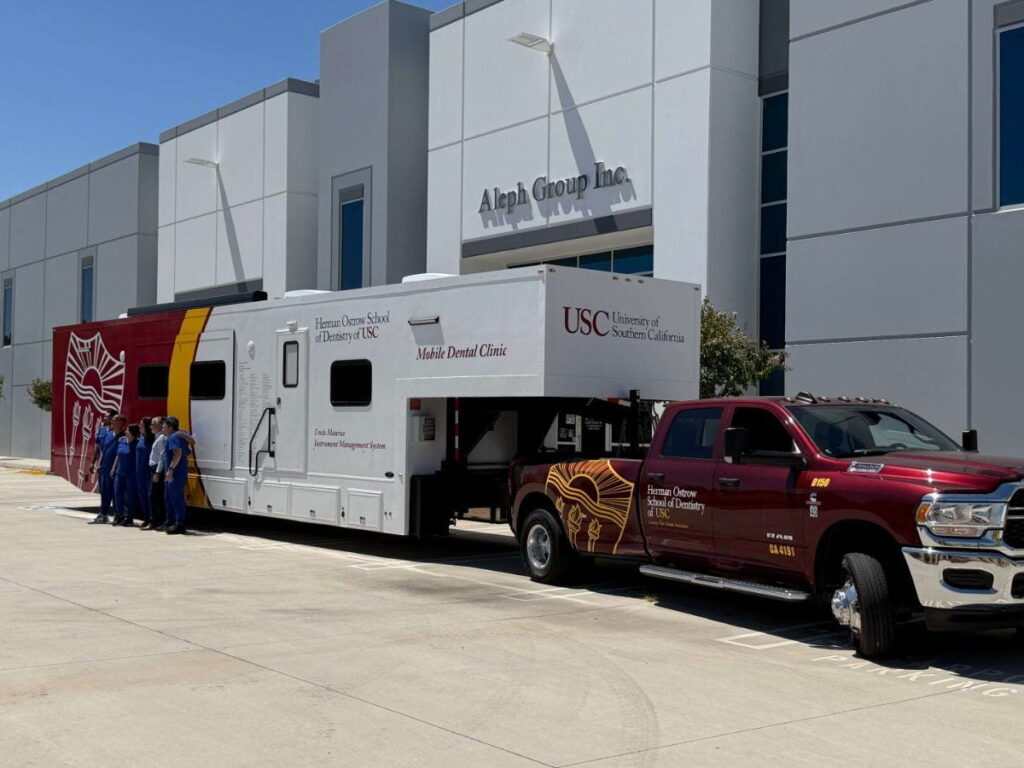
Towable medical trailers provide significantly more interior square footage and floor plan flexibility than standard motorized trucks. Units can be configured with multiple private exam rooms, intake areas, and dedicated utility spaces.
- Key Advantages: Exceptional interior space, lower long-term maintenance costs (since the power unit can be serviced separately), and long operational lifespans.
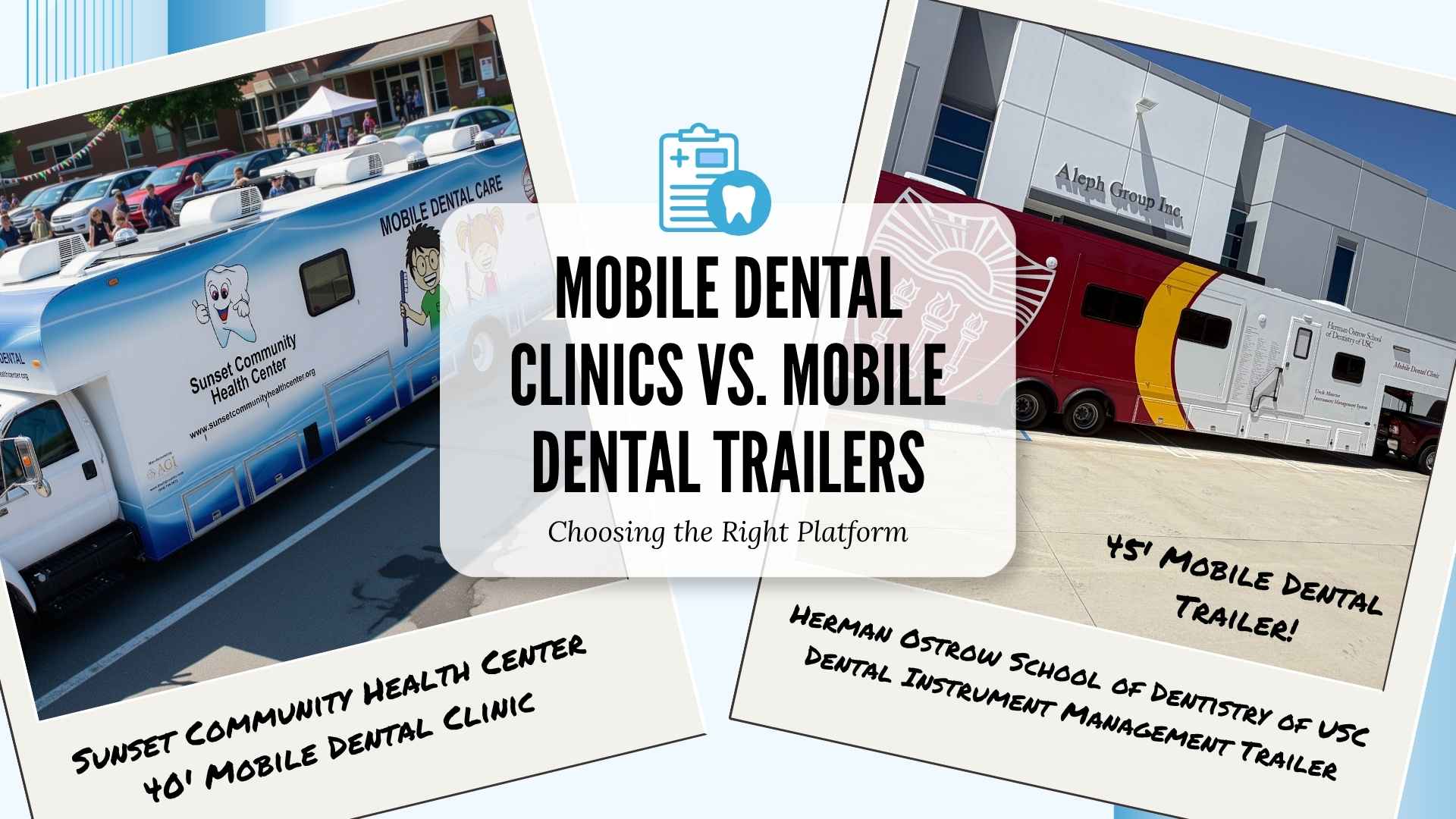
- Specialized Application Example: The Herman Ostrow School of Dentistry of USC utilizes a custom gooseneck trailer engineered specifically for dental instrument sanitization, sterilization, and inventory management.
- Best Used For: High-volume mobile dental clinics, multi-room clinical suites, and specialized support units requiring dedicated equipment zones.
Semi-Permanent Modular Clinics
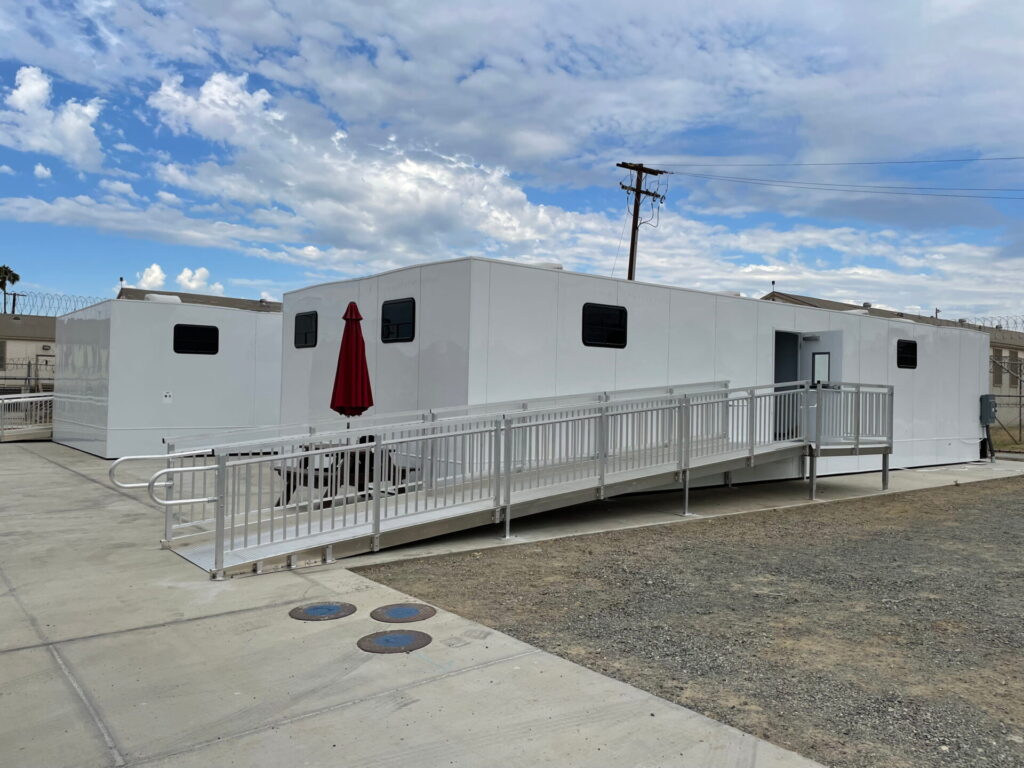
Modular medical units are engineered for semi-permanent placement at community hubs, rural health centers, or disaster relief sites. Transported via heavy transport semi-trucks, these units provide rigid, durable structures that can remain on-site for extended operational periods while maintaining full clinical compliance.
7 Essential Design Questions Before Building Your Mobile Unit
To ensure your custom mobile vehicle meets both clinical workflow requirements and regulatory standards, outline the following seven factors before finalizing your floor plan:
- What is your primary clinical specialty? (e.g., Primary Care, Mobile Dental, Mammography, Audiology, Sterilization Support)
- What is your expected daily patient throughput?
- How frequently will the unit move? (Daily travel vs. multi-week stationary placements)
- Is the unit fully ADA accessible? (Integration of commercial wheel-chair lifts and wide entryways)
- Are onboard restroom facilities required? (Evaluating fresh/gray water capacity needs)
- What specialized medical equipment will be installed? (Power load considerations for digital X-Ray, autoclaves, or heavy refrigeration)
- Will clinical operations expand beyond the interior walls? (Integration of exterior awnings, outdoor check-in stations, or tent attachments)
Alongside a design team, your answers to the questions above will help layout a design that maximizes the space of your mobile clinic and includes everything you need to make your clinic a success.
Engineered for Compliance, Safety, and Longevity
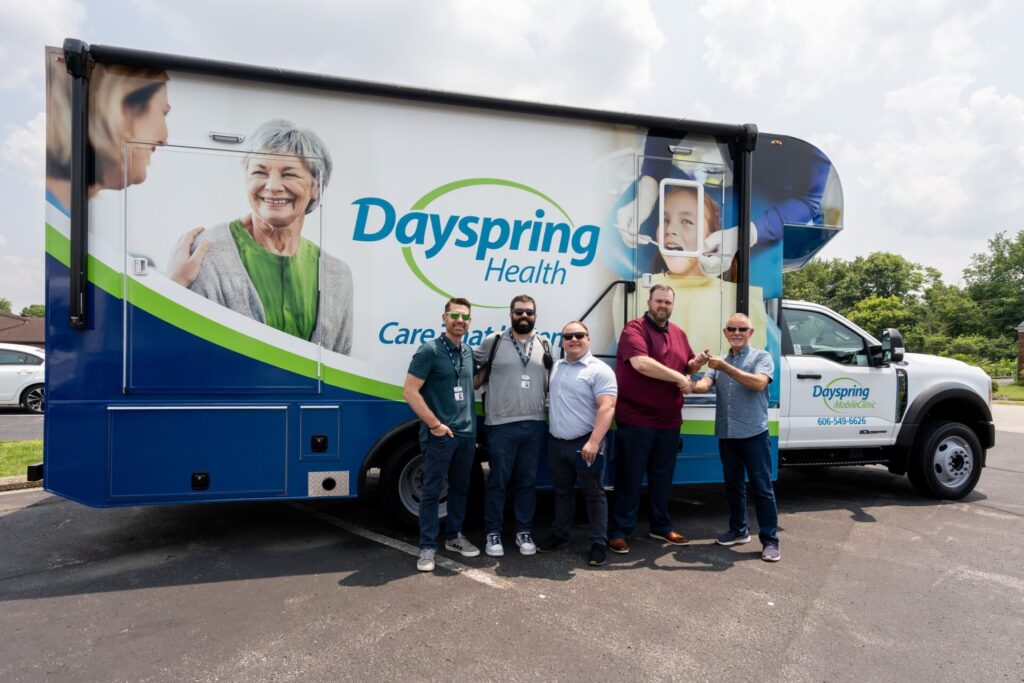
Building a successful mobile health clinic requires balancing clinical utility with robust engineering standards:
- Power & Climate Control: Heavy-duty onboard commercial generators, shoreline power transfer switches, and redundant HVAC systems to maintain strict climate parameters for sensitive medical equipment.
- Infection Control & Materials: Commercial-grade, non-porous surfaces, seamless antimicrobial flooring, and dedicated air filtration systems designed for rigorous sanitization protocols.
- Regulatory Alignment: Floor plans structured around patient privacy, HIPAA compliance, and local Department of Transportation (DOT) weight distribution requirements.
Start Planning Your Custom Mobile Clinic
Partnering with an experienced specialty vehicle manufacturer simplifies the design, engineering, and build process from start to finish. Contact the design and engineering team at Aleph Group Inc. to request a consultation and start building your custom mobile healthcare unit.
Frequently asked Questions (FAQ)
What is the average lead time to manufacture a custom mobile clinic?
Build times vary depending on engineering complexity, platform availability, and customization level. A custom chassis build typically ranges between 6 to 12 months from final floor plan approval.
Do I need a Commercial Driver’s License (CDL) to operate a mobile healthcare vehicle?
It depends on the Gross Vehicle Weight Rating (GVWR). Most Class 4–6 motorized units fall under 26,000 lbs and can be operated with a standard driver’s license. Larger heavy-duty trucks or semi-trailers exceeding 26,000 lbs. generally require a CDL.
How are mobile clinics powered while parked at a clinical site?
Mobile units typically rely on a dual-power system: an onboard heavy-duty commercial generator (diesel, gasoline, or propane) for self-contained power on the road, alongside shoreline power transfer switches to plug directly into facility outlets.
Can mobile units be built to full ADA compliance?
Yes. Custom mobile health units can be outfitted with commercial-grade wheelchair lifts, wider entry doors, low-profile threshold transitions, and ADA-compliant interior restrooms and exam spaces.
How do mobile clinics handle infection control and sanitization?
Vehicles are built using non-porous, medical-grade interior materials, seamless antimicrobial flooring, sealed wall joins, dedicated HEPA air filtration systems, and separate clean/dirty utility zones to strictly maintain clinical hygiene.