
Building Trust and Access: How Custom Mobile Clinics Enhance WIC Services
Access to health and nutrition services should never be limited by geography, and for millions of women, infants, and children in underserved communities, it often is. The USDA’s Special Supplemental Nutrition Program for Women, Infants, and Children (WIC) provides essential support, but there’s a challenge: reaching those in need.
Custom mobile medical clinics are changing the game by bringing services directly to the communities that need them most. Let’s explore how mobile clinics build trust, strengthen community bonds, and create access for those who would otherwise go without healthcare.
The Need for Mobile Medical Clinics: Expanding Access Where It’s Needed Most
-
What is WIC? WIC plays a critical role in offering nutritional support, health care referrals, breastfeeding support, and more to low-income pregnant women, new mothers, infants, and children up to age five.
-
Challenges of Traditional WIC Access: Common barriers families face in accessing WIC services: long wait times, transportation issues, and difficult eligibility processes.
-
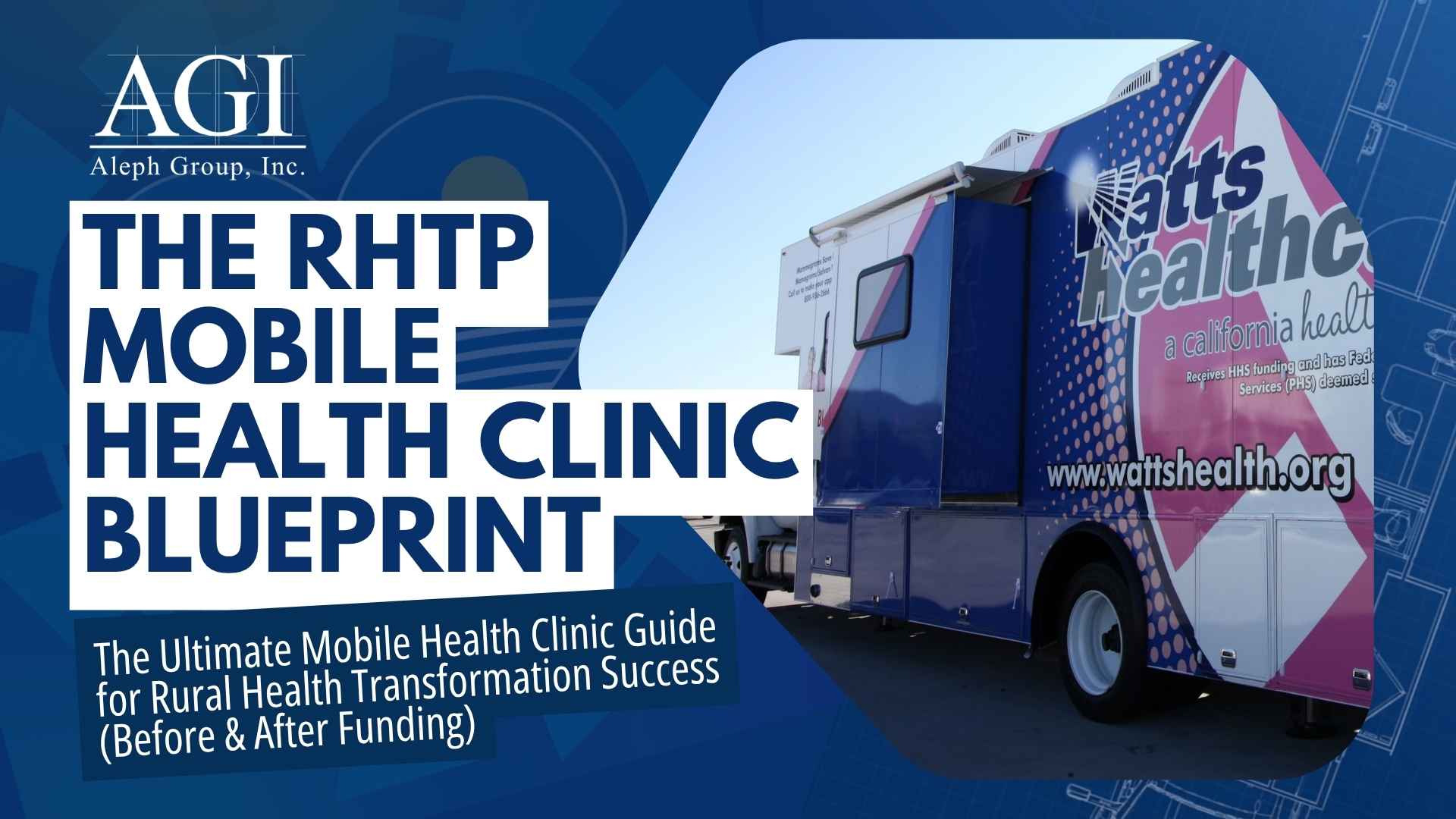
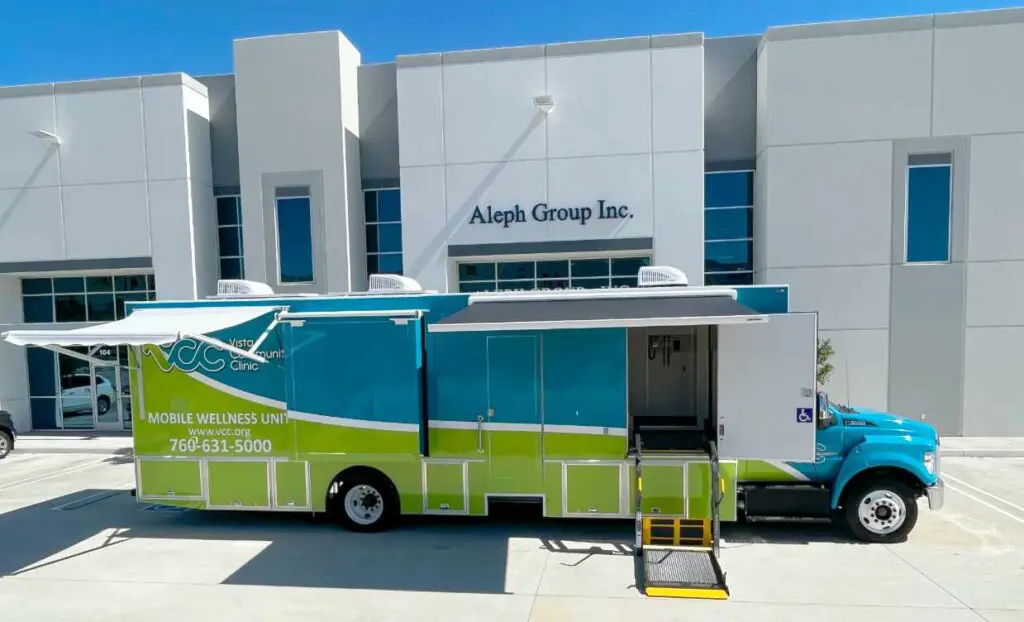
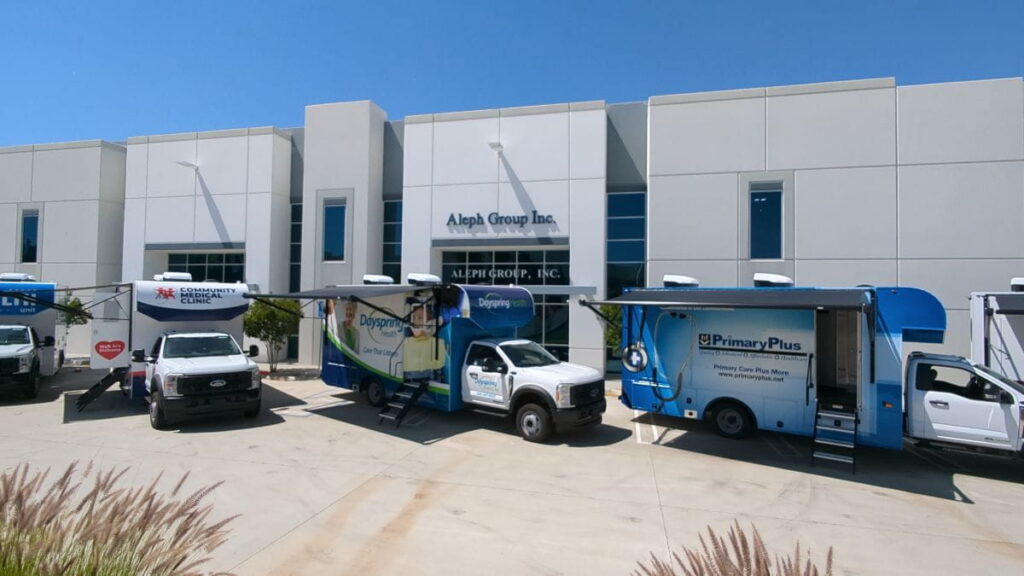
Mobile Clinics are the Solution: Mobile clinics bring healthcare directly to the communities that need it most, making WIC services more accessible than ever. These custom-designed units can be equipped with everything from telehealth technology to private exam rooms, creating a welcoming, fully functional care environment on wheels.
Mobile Medical Clinics: A Personalized Approach to Healthcare
-
Building Trust and Relationships: Mobile clinics allow staff to form deeper relationships with their communities. Personal engagement fosters trust, making people more likely to access services regularly.
-
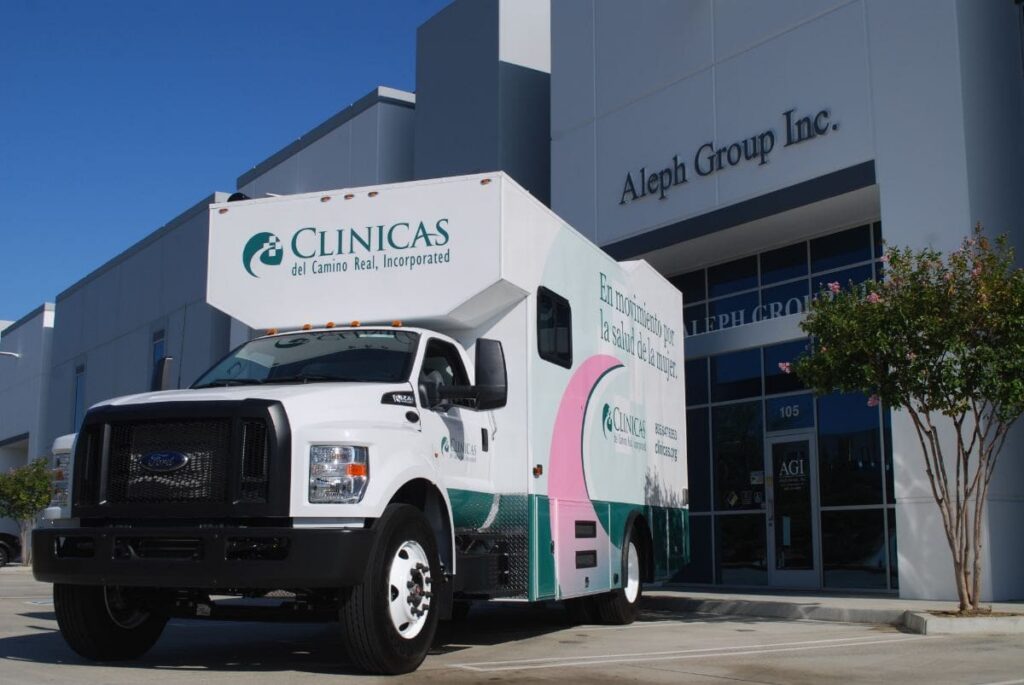
Culturally Responsive Services: Custom mobile clinics can be designed with specific communities in mind. Multilingual signage, culturally relevant health education, and child-friendly spaces can all be incorporated to ensure a positive and accessible experience for diverse populations.
-
Convenience and Accessibility: Mobile clinics can visit schools, community centers, apartment complexes, and even rural or remote areas, ensuring that people don’t have to travel far for essential services. This creates “healthcare on wheels,” bringing services directly to the families who need them.

Aleph Group Inc: Building Culturally Responsive Mobile Solutions
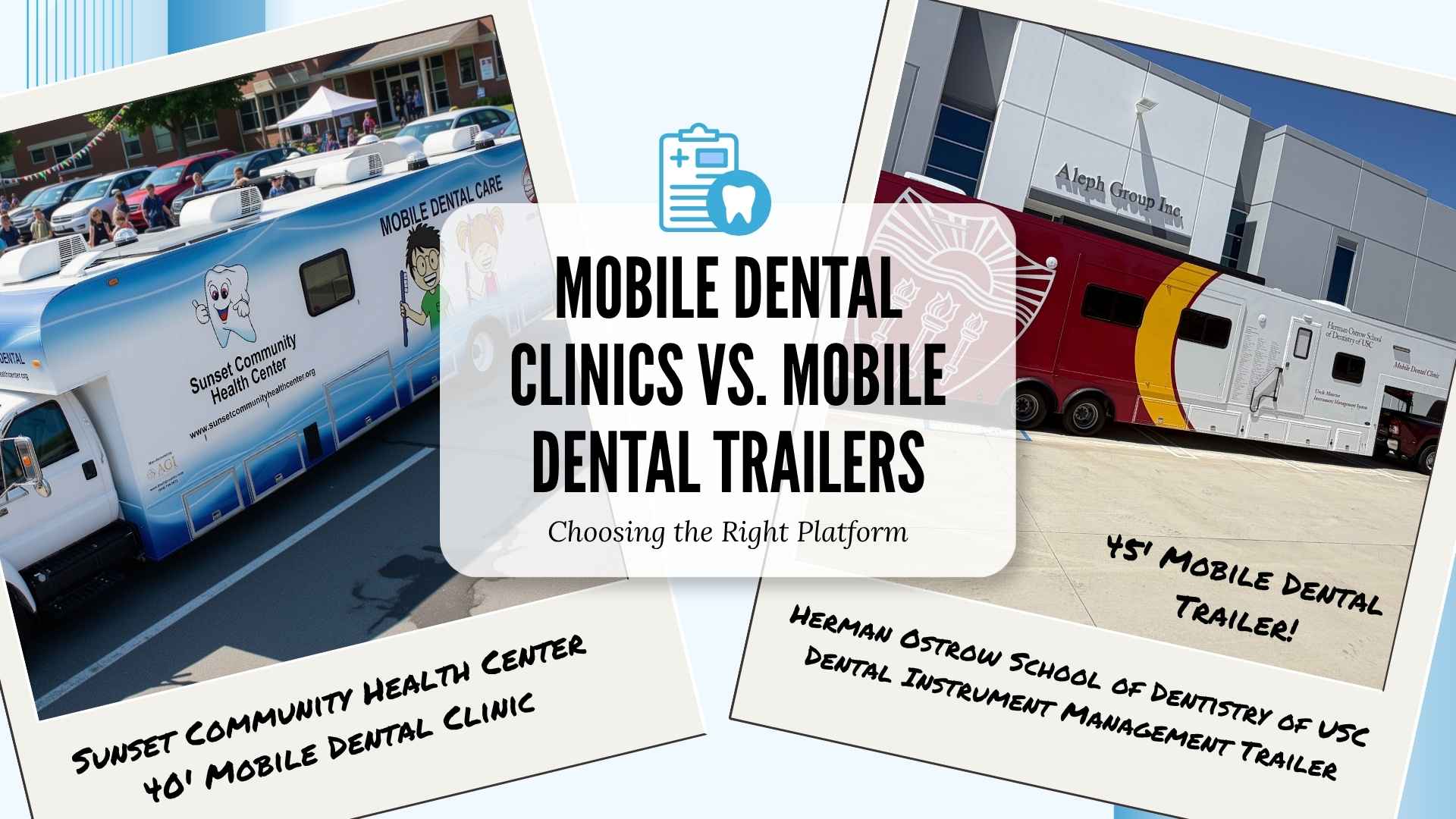
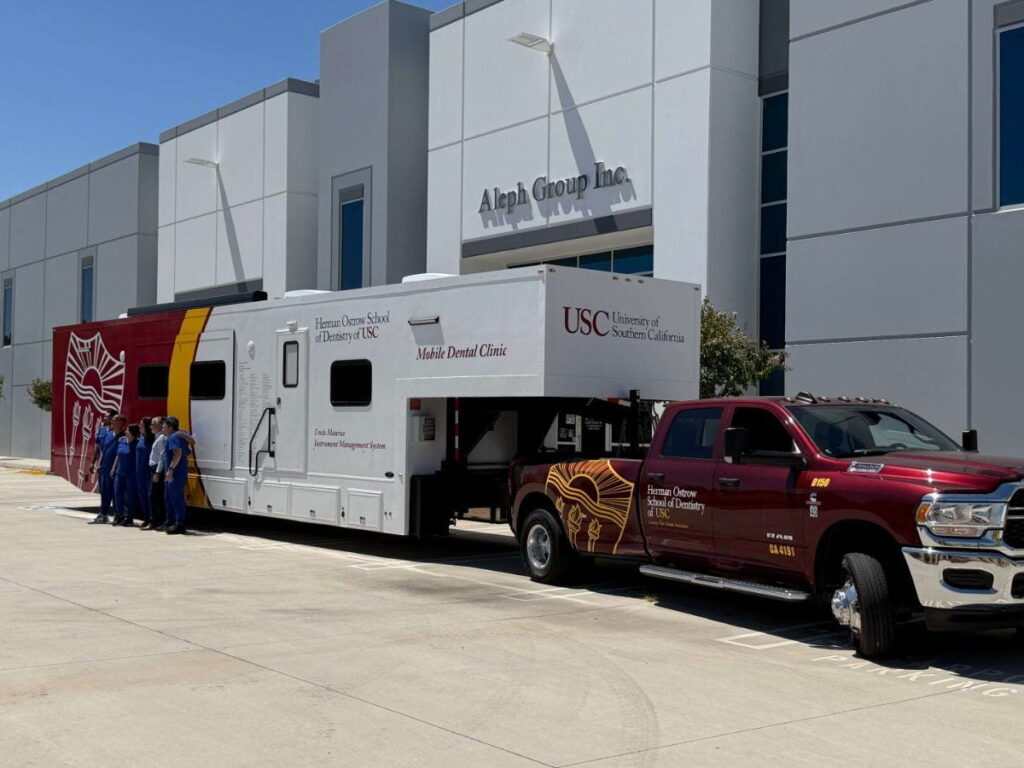
Our Expertise: At Aleph Group, we specialize in designing and building custom mobile medical units tailored to the specific needs of health programs like WIC. Our mobile clinics are designed to enhance service delivery, streamline access, and foster stronger community connections.
Transforming WIC Services for a Healthier Future
Mobile clinics are more than just a solution to logistical challenges — they’re an opportunity to make healthcare more accessible, trusted, and culturally relevant.
Want to explore how to build a culturally responsive, community-anchored mobile program?
Contact us for a free consolation!
CONTACT US
[contact-form-7 id=”364b004″ title=”Contact Us Form”]