Why California Needs Mobile Health Clinics for Farmworkers
Key Facts: Regional Demographics & Healthcare Gaps In Farmworker Communities
- Economic Scale: California’s agricultural production reached approximately $67 billion in 2023 (excluding timber).
- Worker Population: The Public Policy Institute of California (PPIC) estimates that approximately 162,500 farmworkers were employed in the state in 2019.
- Systemic Barriers: Comprehensive research from the UC Merced Farmworker Health Study (surveying over 1,200 workers) and the PPIC highlights severe healthcare access barriers, primarily driven by geographic isolation, lack of insurance, cost, and long working hours.
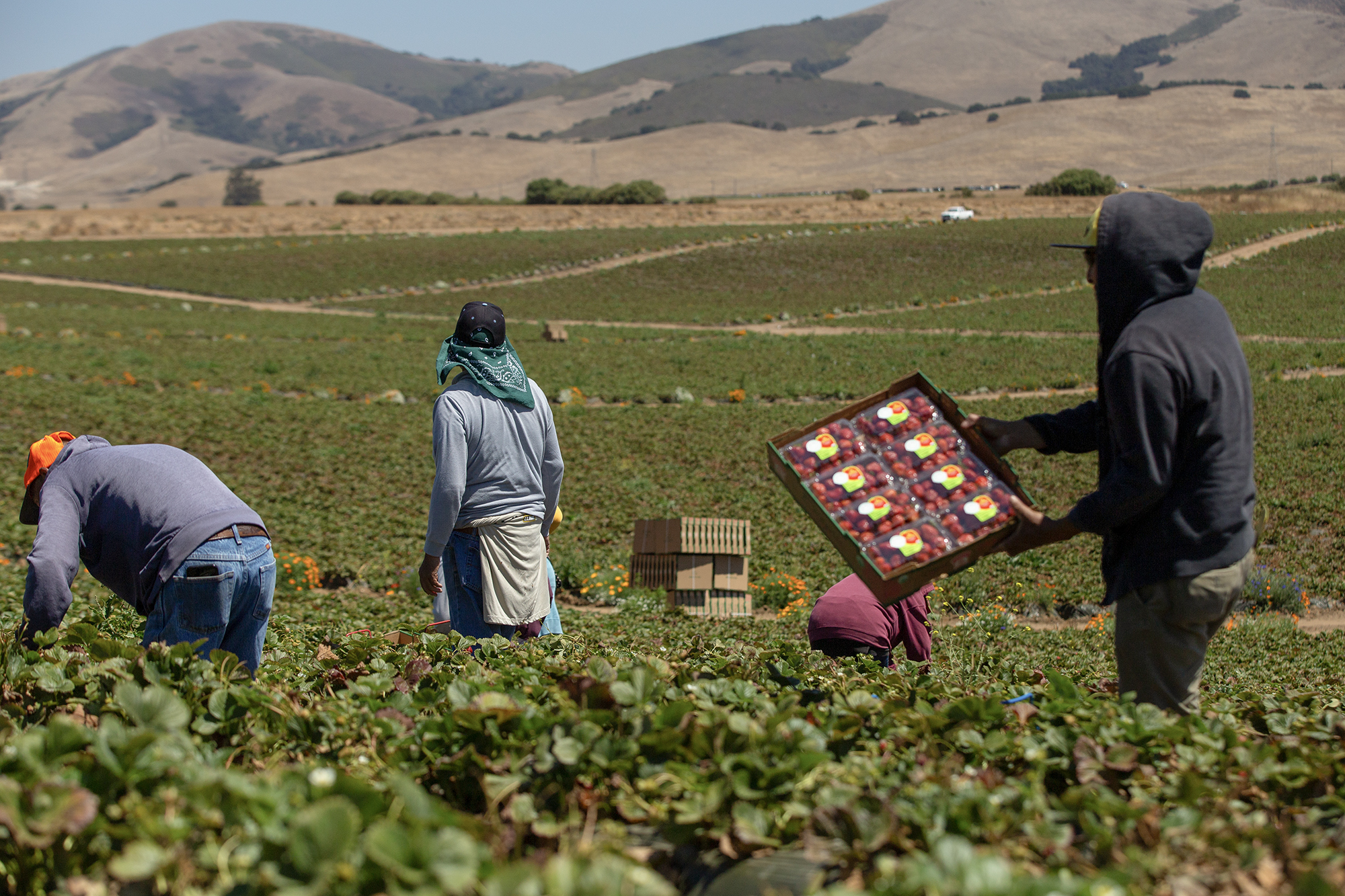
California agriculture is one of the most important food production systems in the United States, yielding approximately $67 billion in 2023. Behind these numbers are the farmworkers who plant, harvest, and support our food supply chain. According to the Public Policy Institute of California (PPIC), approximately 162,500 farmworkers were employed across the state as of 2019, forming the backbone of this massive industry. However, serious barriers to healthcare persist, making mobile health clinics for farmworkers an essential solution. Long work hours, rural isolation, and a lack of insurance often prevent these communities from seeking traditional care.
According to the Public Policy Institute of California, approximately 162,500 farmworkers worked in California in 2019, and cost remains one of the most significant barriers to care. A UC Merced Farmworker Health Study, which surveyed more than 1,200 California farmworkers, underscored these challenges, finding widespread issues related to physical health, preventive care, and access to medical services.
Why Mobile Clinics are Essential for Farmworkers
The issue is not simply whether healthcare exists. The issue is whether healthcare is reachable.
Farmworker communities often face transportation challenges, long work hours, rural isolation, language barriers, limited insurance coverage, and difficulty taking time away from work. These realities make traditional clinic-based care harder to access, even when services are technically available.
The scale of this crisis was heavily documented in the landmark UC Merced Farmworker Health Study. By surveying more than 1,200 California farmworkers, researchers uncovered severe, widespread disparities in physical health, a systemic lack of preventive care, and deep-seated roadblocks to basic medical services. This is where mobile clinics become essential.
Key Services Provided by Mobile Medical Units
Research published in the International Journal for Equity in Health notes that mobile clinics help reduce barriers related to transportation, time, system complexity, geography, and trust. Because these units directly target these five core systemic friction points, they act as an immediate shield for vulnerable populations. They are especially important for underserved and vulnerable populations because they bring preventive care, screenings, chronic disease management, health education, and referrals directly into the community.
What Services Do Mobile Health Clinics Offer?
For California farmworker communities, a properly designed mobile clinic can support:
- Preventive screenings
- Primary care access
- Women’s health services
- Dental and vision care
- Vaccinations
- Chronic disease management
- Health education
- Behavioral health outreach
- Referrals and care coordination
Bridging the Farmworker Healthcare Gap Through Mobile Medical Clinics
Addressing the critical healthcare barriers highlighted by these studies requires innovative, localized solutions that meet people exactly where they are.
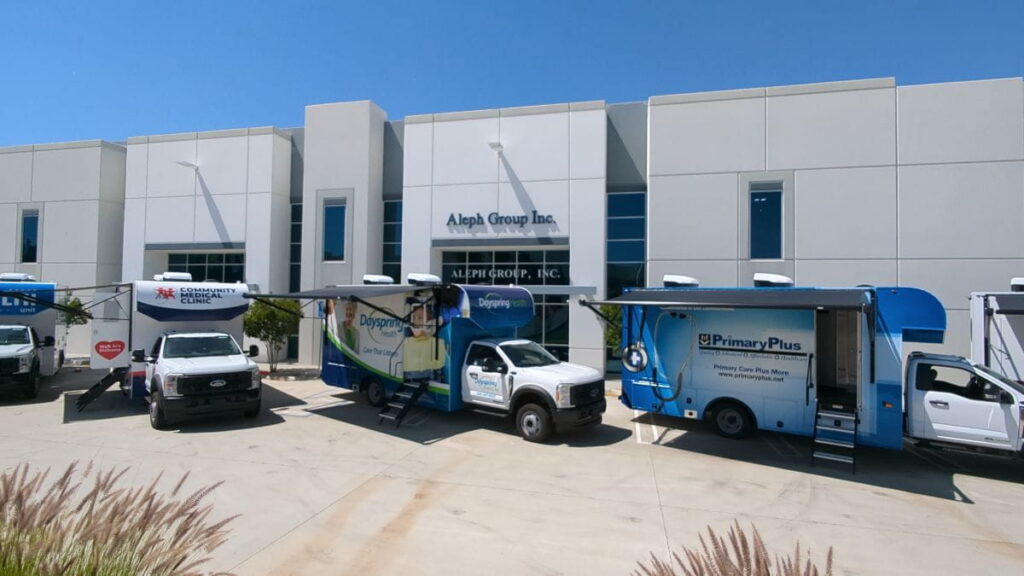
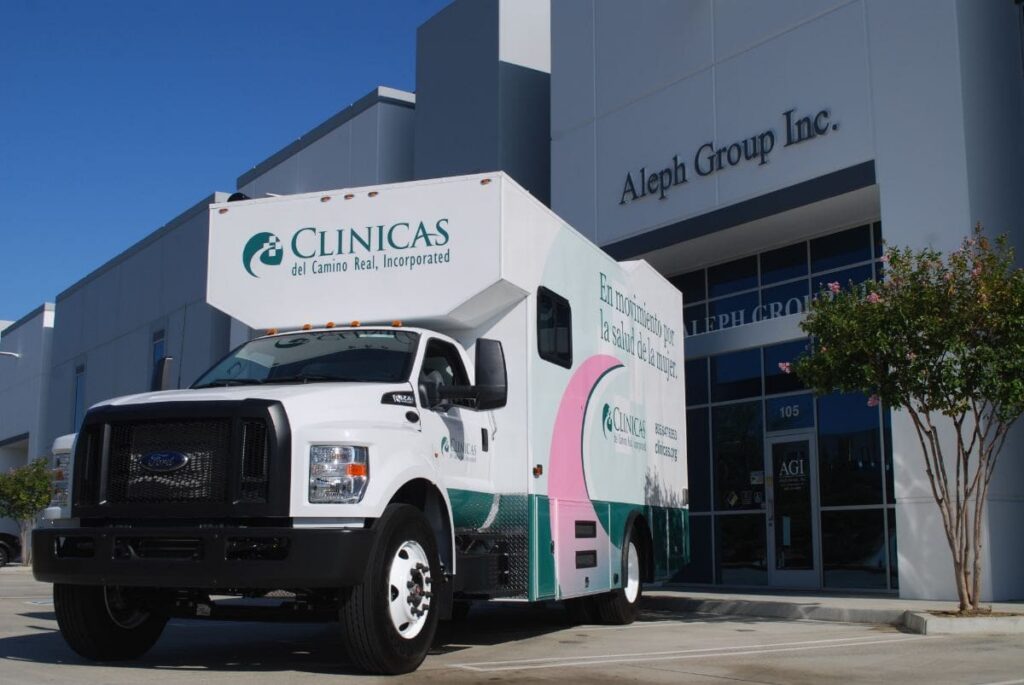
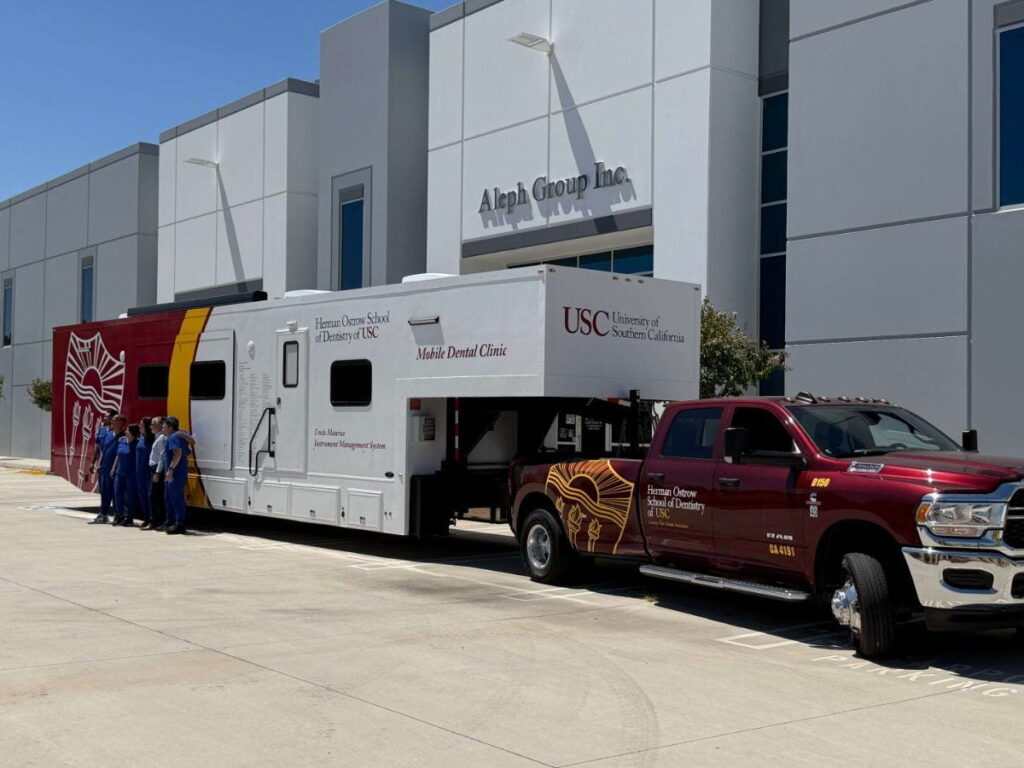
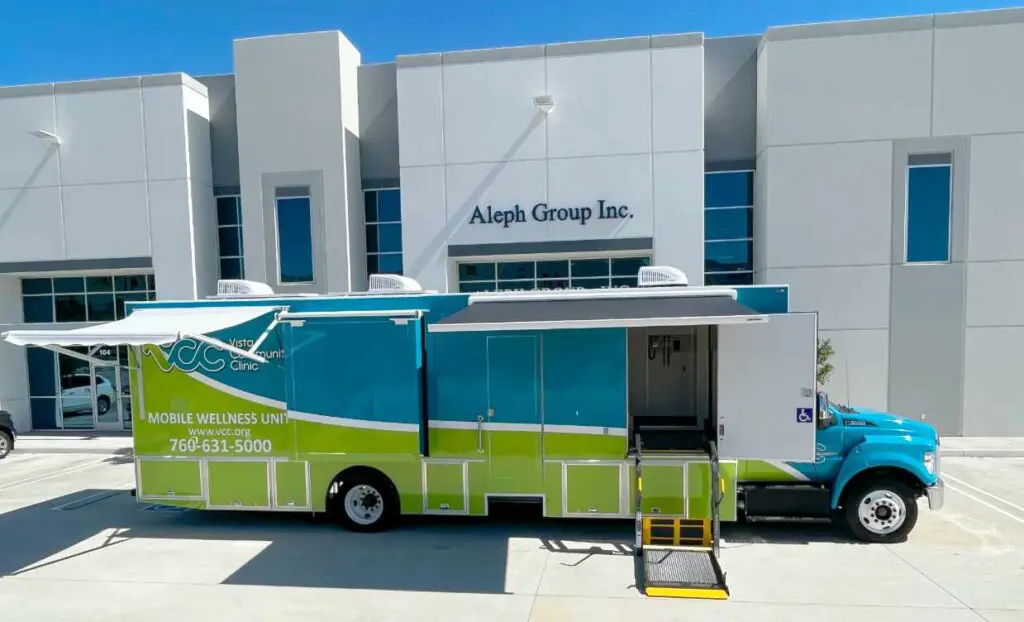
At Aleph Group Inc., we believe mobile clinics are not just vehicles. They are healthcare access platforms. When designed correctly, they allow healthcare organizations, community clinics, counties, and nonprofit programs to meet people where they are: near farms, schools, community centers, labor housing areas, rural towns, and underserved neighborhoods. Serving farmworker communities requires more than a standard vehicle conversion. It requires thoughtful design, durable construction, reliable power, proper HVAC, ADA accessibility, infection-control considerations, clinical workflow planning, and a deep understanding of how the unit will be used in the field.
California farmworkers help sustain one of the most productive agricultural economies in the country. Ensuring that they and their families have better access to healthcare is not only a matter of health equity; it is a matter of dignity, prevention, and community responsibility.
Mobile clinics can help close that gap.
Aleph Group Inc. is proud to support healthcare organizations that are expanding access to care through purpose-built mobile medical clinics, designed and fabricated to serve communities that need care brought closer to home.
Frequently Asked Questions About Mobile Healthcare for Farmworkers
How do mobile health clinics help farmworkers in California?
Mobile health clinics break down systemic barriers to care by traveling directly to rural agricultural fields and housing communities. They eliminate the need for transportation, bridge language gaps with bilingual staff, and offer flexible hours that accommodate rigorous harvest schedules, ensuring workers receive vital primary and preventive care without losing a day’s wages.
What services do mobile medical units provide to agricultural communities?
Mobile medical units are equipped to deliver comprehensive, on-the-spot care. Core services typically include preventive screenings, primary care access, vaccinations, chronic disease management (such as diabetes and hypertension), dental and vision care, mental health outreach, and direct referrals to local healthcare networks.
Why are traditional clinics difficult for farmworkers to access?
According to the Public Policy Institute of California and the UC Merced Farmworker Health Study, traditional clinic-based care is often unreachable due to severe rural isolation, lack of reliable transportation, and limited insurance coverage. Additionally, long working hours and the high cost of medical services prevent many individuals from seeking timely care at stationary facilities.
What barriers do California farmworkers face in accessing healthcare?
California farmworkers face severe healthcare barriers including rural isolation, lack of transportation, long working hours, language barriers, and limited insurance coverage.
Bridging the Distance to Care for California Farmworkers
The data underscores a clear reality: California’s agricultural communities face a profound care gap driven not by a lack of medical capability, but by the physical barriers of distance, isolation, and rugged environments. Resolving this disparity requires moving past stationary care models and deploying highly adaptable, resilient mobile medical infrastructure directly to the fields and neighborhoods where it is needed most.
Building a mobile clinic that can sustainably bridge this gap means engineering an asset that thrives under demanding operational realities. At Aleph Group Inc., we design and manufacture purpose-built specialty vehicles engineered to withstand the unique challenges of rural healthcare delivery. From specialized, medical-grade HVAC systems built to manage triple-digit Central Valley summers to robust independent power configurations and high-grade aluminum chassis constructed for unpaved agricultural terrain, we ensure your mobile clinic remains a safe, compliant, and durable extension of your healthcare network.
Let’s build the solution that brings care closer to those who feed the nation.
Contact our procurement team at Aleph Group Inc. today to map out your program’s exact spatial, power, and compliance requirements, and transform your community health blueprint into a deployed reality.