Mobile Medical Units for Natural Disaster Relief
When a disaster hits, Aleph Group Inc. is the first to respond with disaster relief.
Natural disasters such as flooding, hurricanes, tornadoes, and wildfires strike with little warning. In their aftermath, hospitals are not always accessible. That’s why rapid-response systems like mobile medical clinics and container hospitals are critical for delivering care where it’s needed most.
A Quicker Response, A Smoother Recovery
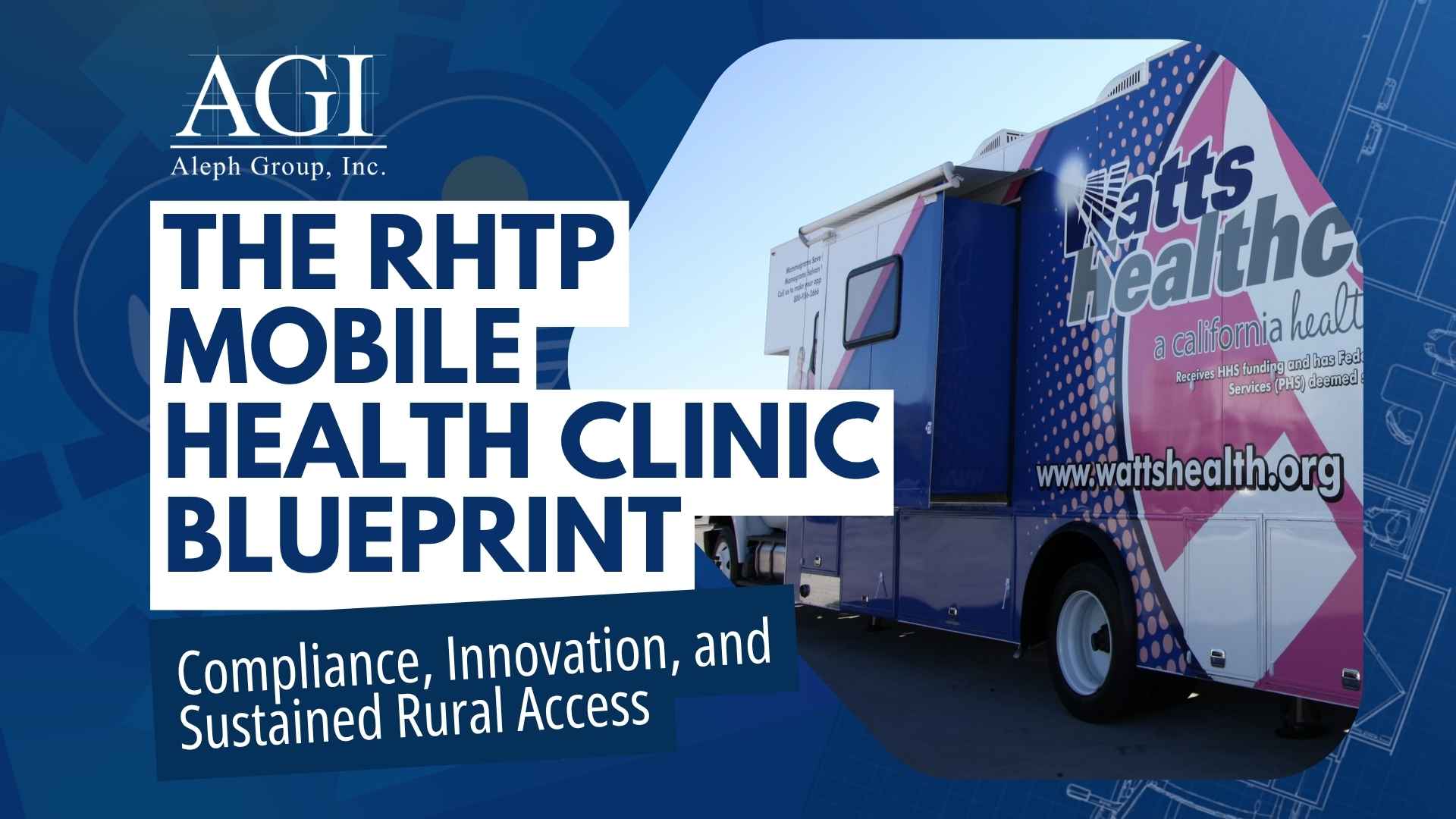
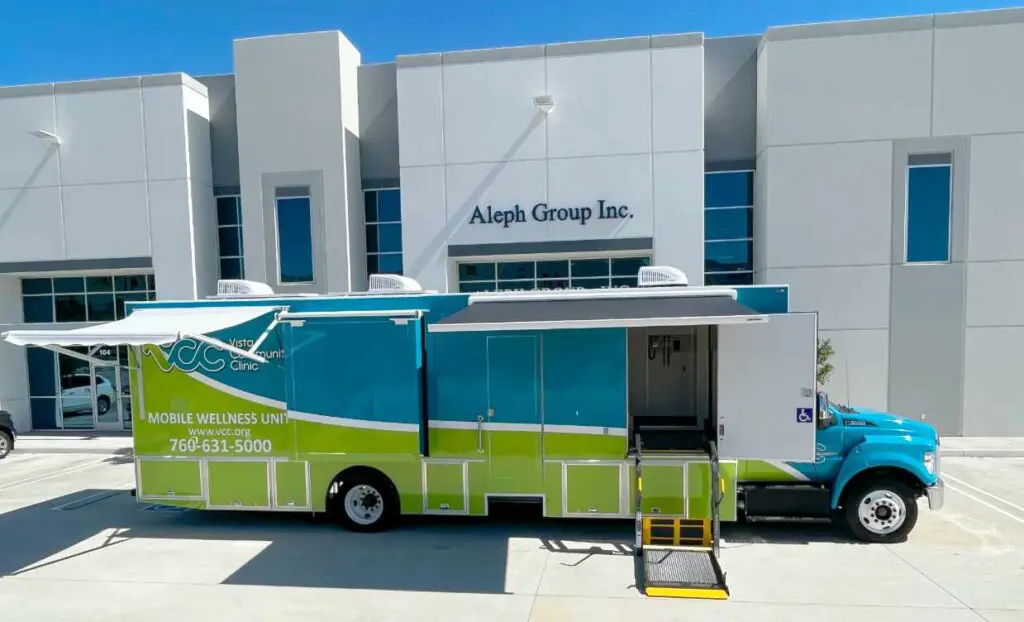
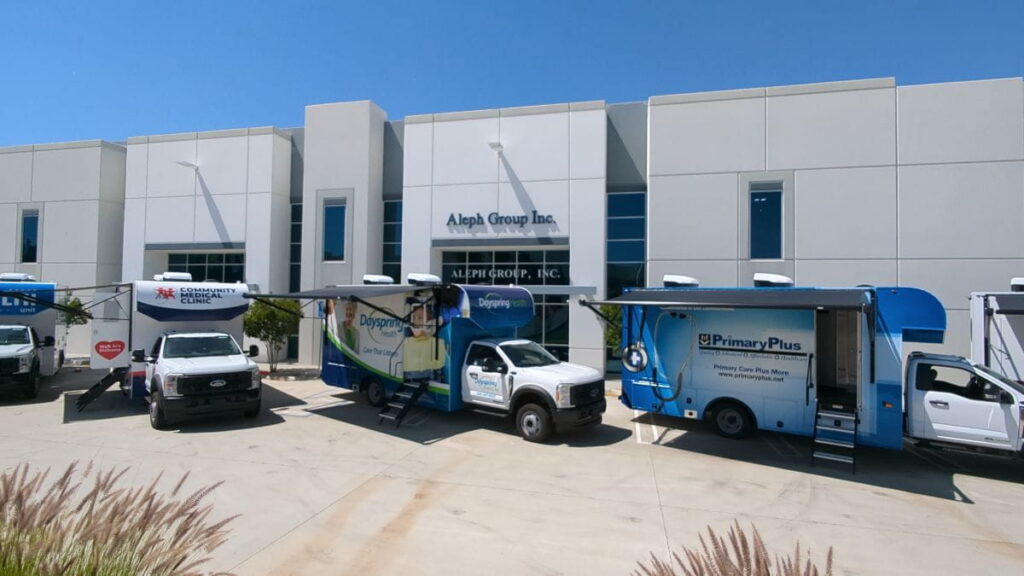
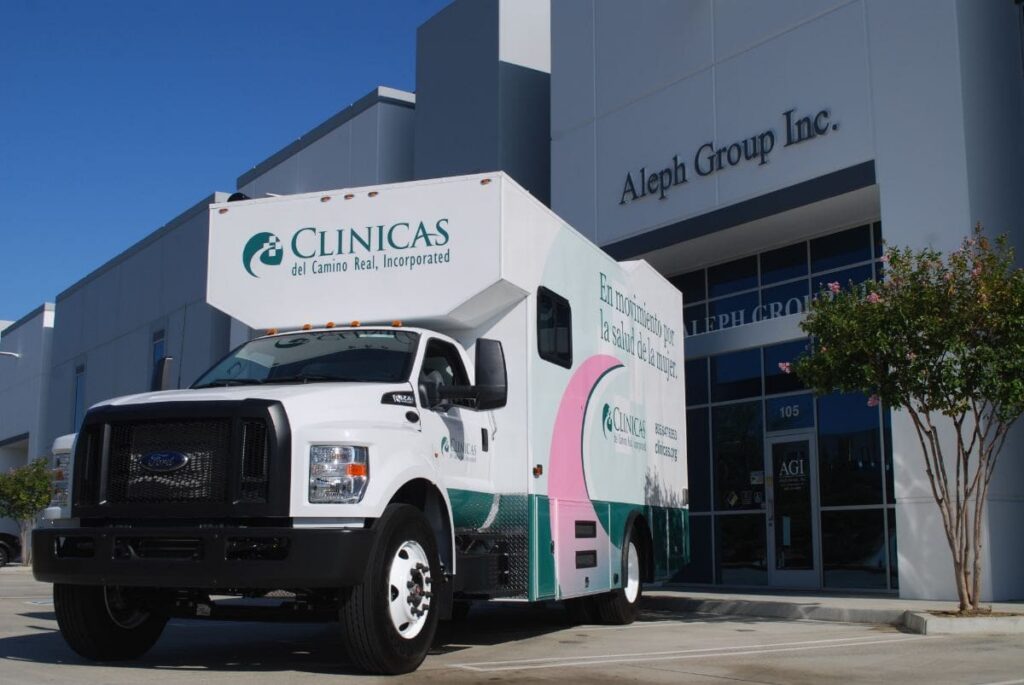
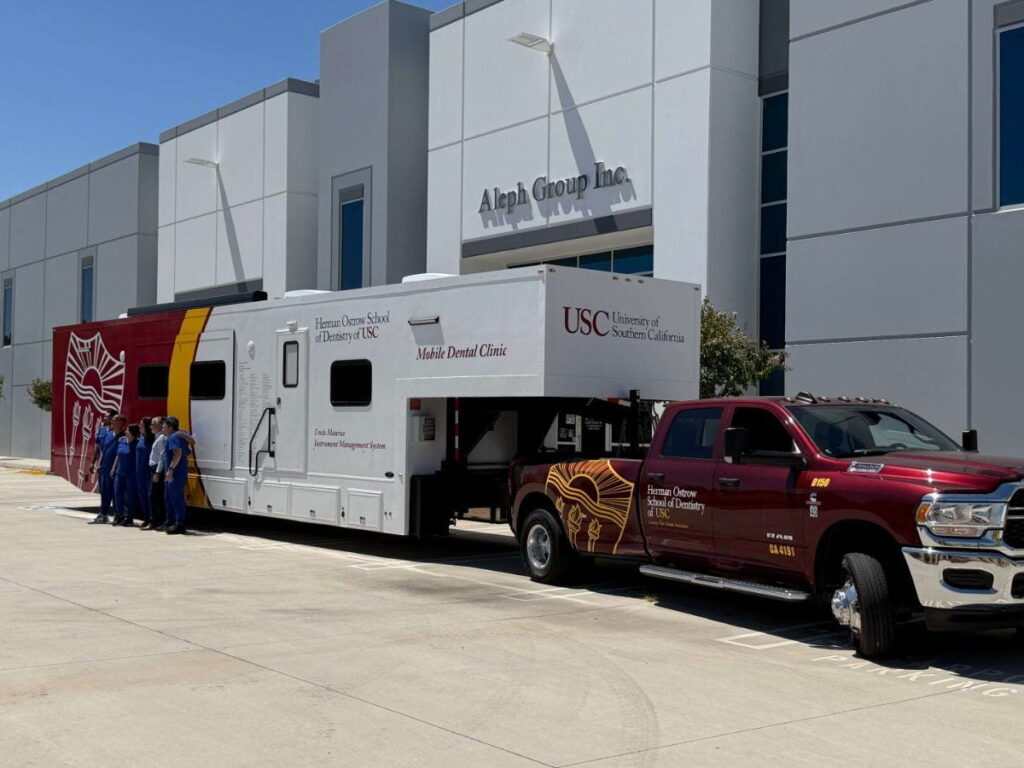
Mobile medical clinics are designed for fast deployment. With only fuel and fresh water, these units can be on the move, reaching schools, churches, and community centers where people gather. In addition to primary care, they deliver vital medications to individuals cut off from their supply.
Supporting Disaster Relief with Specialized Units
Bloodmobiles are lifesaving in the aftermath of disasters. They ensure that blood collected from community blood drives is delivered to patients requiring transfusions or emergency surgeries.
Mobile command centers play a vital role as well. These units serve as bases for search and rescue operations, temporary shelters, and communication hubs where survivors can connect with loved ones.
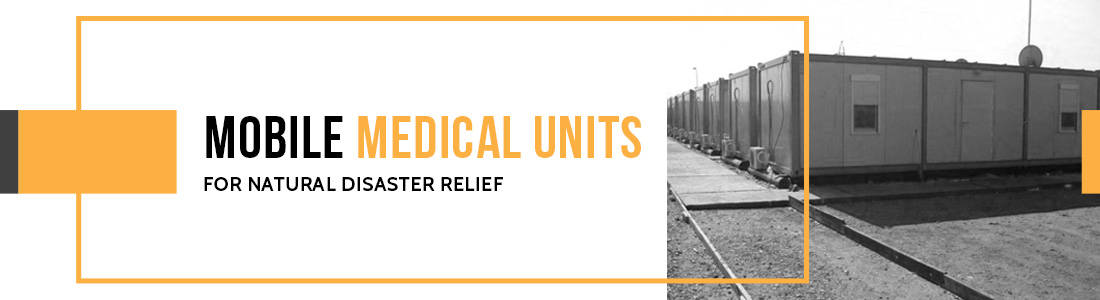
Container hospitals expand disaster relief by creating portable hospital wards. By arranging shipping containers side-by-side, full-service medical facilities can be rapidly deployed, ensuring comprehensive healthcare access in disaster zones. Learn more about our container hospitals.
Be Ready for the Next Disaster
At Aleph Group Inc., our mobile medical solutions are tested on the front lines of disaster relief. From mobile health clinics to bloodmobiles, command centers, and modular hospitals, we build units that save lives when it matters most.
Contact us today at (951) 213-4815 to learn how our products can strengthen your disaster relief program and bring critical healthcare to affected communities.