Executive Summary
When natural disasters destroy local municipal infrastructure, communities cannot wait months for permanent repairs. This article explores how purpose-built disaster recovery platforms, and the functional mobile disaster recovery centers they deploy, provide the self-contained workspaces, secure data systems, and rapid capabilities needed to restore public services and accelerate long-term community recovery.
During natural disasters like hurricanes, wildfires, or severe floods, public awareness centers primarily on the critical initial search-and-rescue efforts. This phase typically highlights the rapid deployment of emergency response assets, including ambulances, fire engines, and specialized law enforcement teams. However, once the initial emergency subsides, a secondary crisis begins. Local municipal buildings, city halls, county health departments, and public service centers are frequently left offline for weeks or months due to structural damage, severe water intrusion, or total power grid collapse. When displaced residents need to file emergency housing claims, access financial aid, or coordinate disaster relief, brick-and-mortar infrastructure is often nowhere to be found.
This is where Disaster Recovery Vehicles (DRVs) and Mobile Recovery Vehicles (MRVs) step in. While “vehicles” refer to the physical commercial chassis and mobile platforms themselves, terms like Mobile Disaster Recovery Centers (MRCs) describe the functional mission: bringing temporary municipal offices, claims intake desks, and community services directly into disaster zones. Rather than serving as point-to-point emergency response or medical transport, DRVs provide the heavy tactical infrastructure (like mobile command posts and satellite hubs) needed to get local governments back online, while MRVs provide the self-contained workspace, technology, and public-access environment required to deliver direct aid and drive long-term community recovery.
Key Takeaways
- Beyond First Response: Disaster recovery platforms provide the self-sufficient, long-term infrastructure needed to run municipal services, process assistance claims, and manage community coordination when local brick-and-mortar buildings fail.
- Platform Durability: Commercial truck chassis (like the Ford F-550, F-650, and F-750) significantly outperform standard cargo van conversions and recreational vehicles (RVs) in rugged, off-grid disaster environments prone to standing water, high winds, and road debris.
- Streamlined Procurement: Utilizing pre-engineered floor plans, compliance documentation, and federal hazard mitigation grants helps emergency management agencies fast-track emergency RFPs and accelerate fleet readiness.
What Are Mobile Disaster Recovery Centers & Specialized Response Vehicles?
To optimize fleet readiness, it is essential to look at the structural blueprints that make these post-crisis platforms successful:
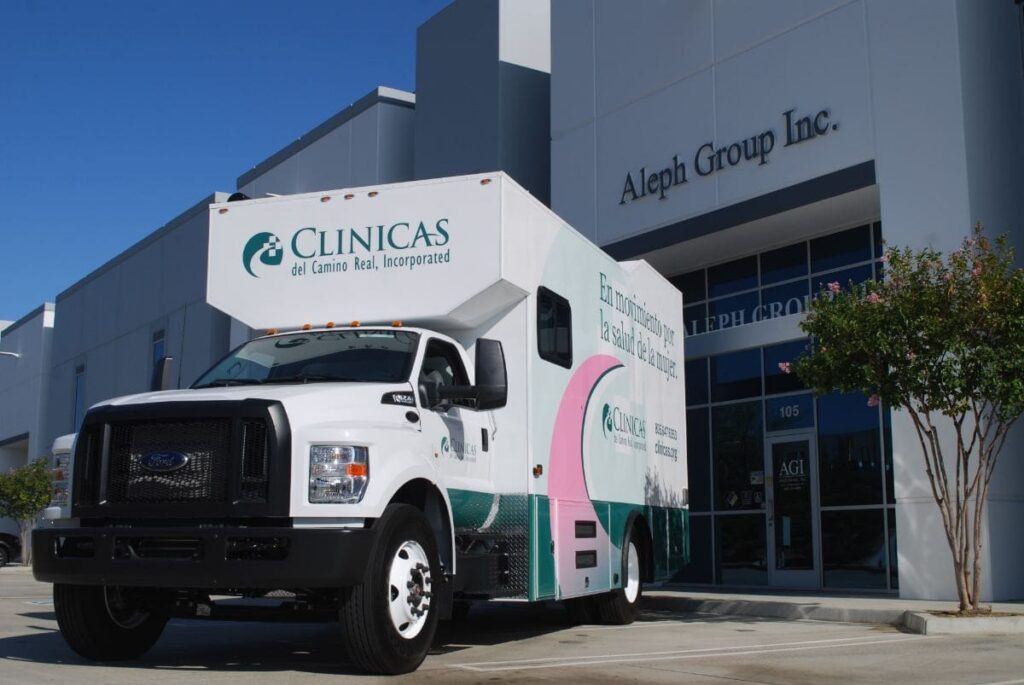
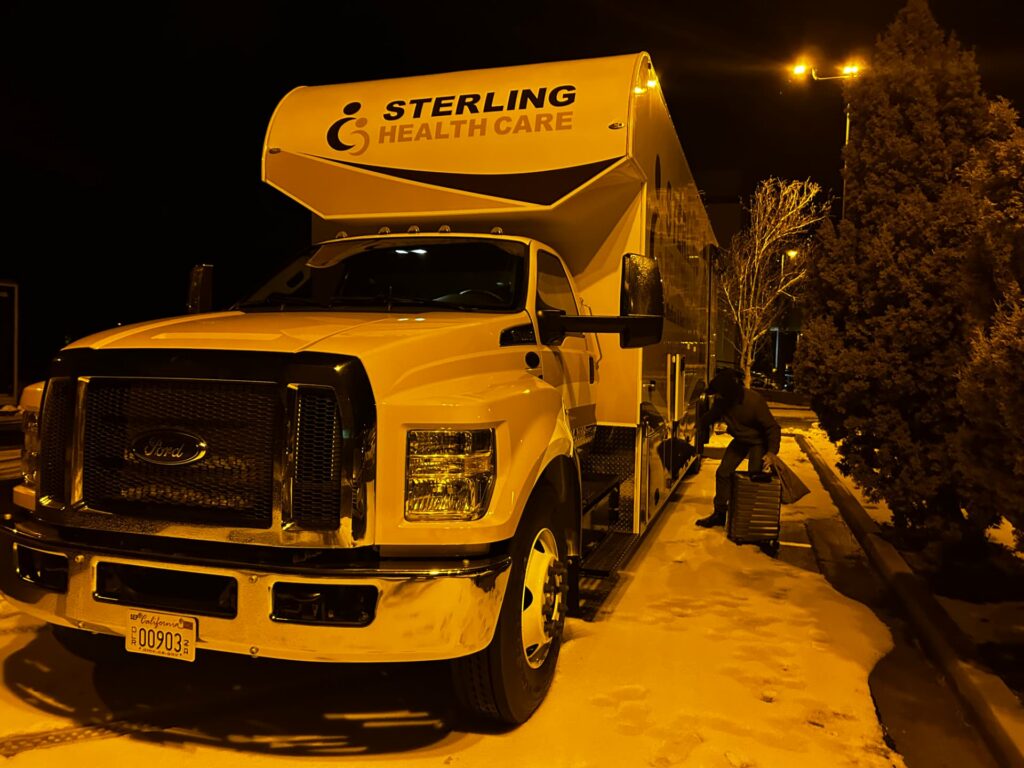
- Disaster Recovery Platforms: Built strictly on rugged commercial truck chassis (such as the Ford F-550, F-650, or F-750) these platforms are engineered from the frame up to carry extreme payloads. They feature heavy gross vehicle weight ratings (GVWR), onboard auxiliary power (diesel generators or PTO systems), and rugged exteriors built to navigate compromised terrain. When standard pathways crumble due to mud, landslides, or earthquakes, specialized engineering ensures mobility and structural survival.
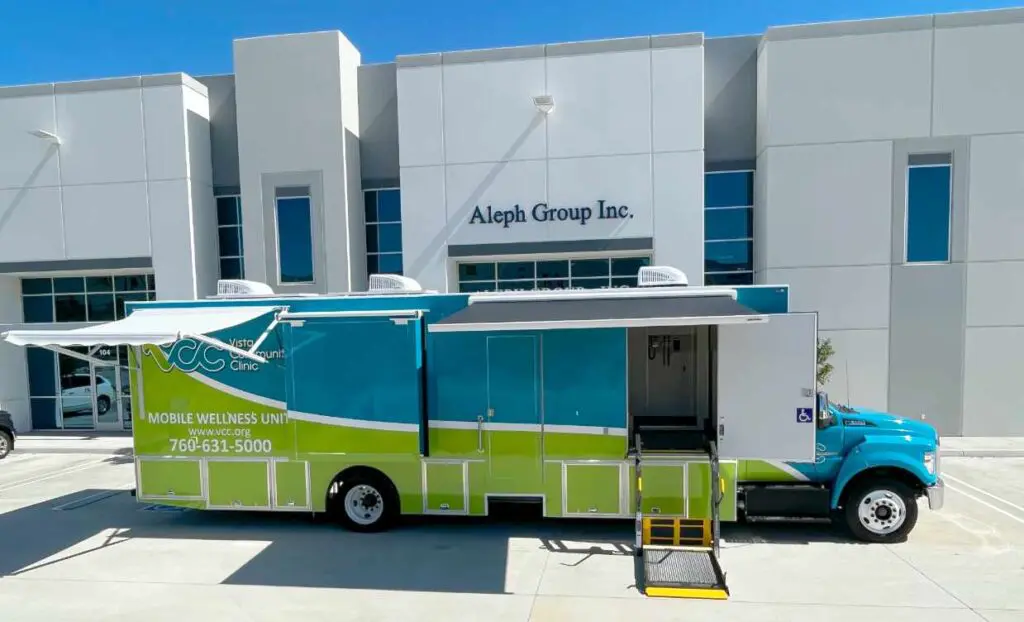
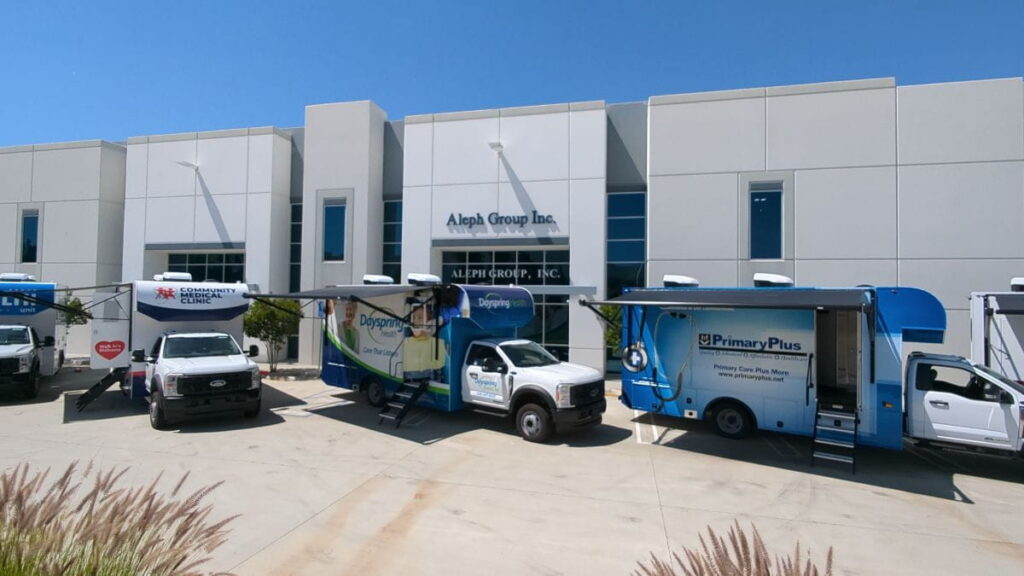
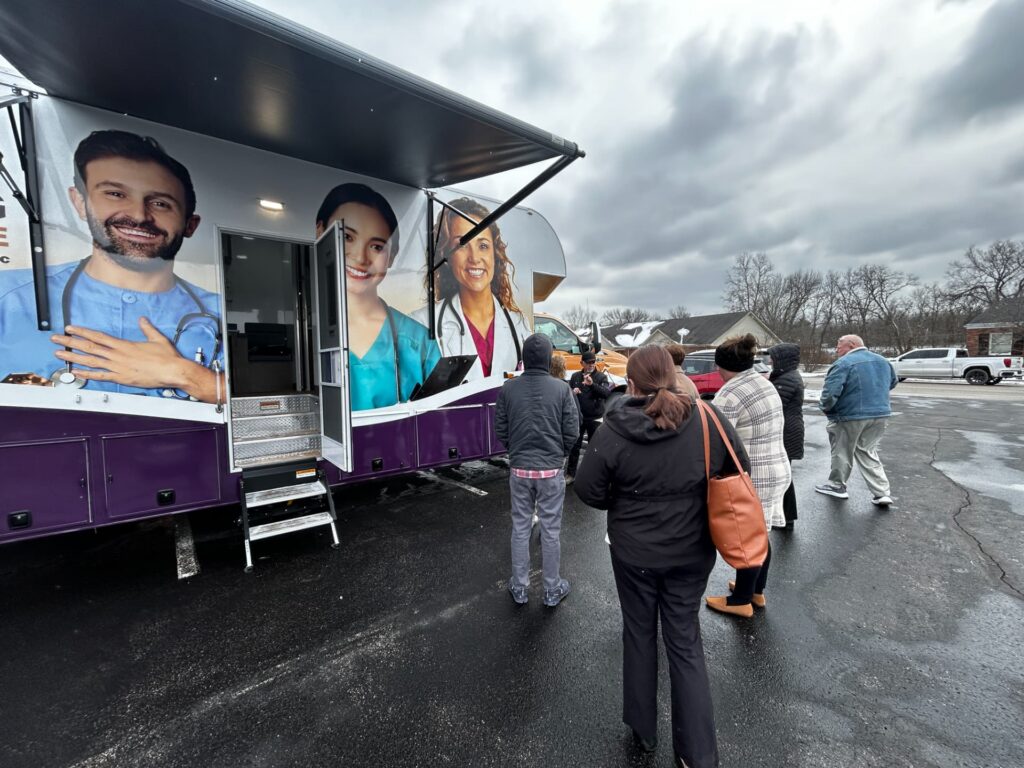
- The Functional Layout: Engineered on a robust chassis framework, these mobile units integrate walk-in commercial layouts, slide-out expansion modules for optimized workspace, private intake environments, and secure server racks to serve as comprehensive Mobile Disaster Recovery Centers (MRCs).
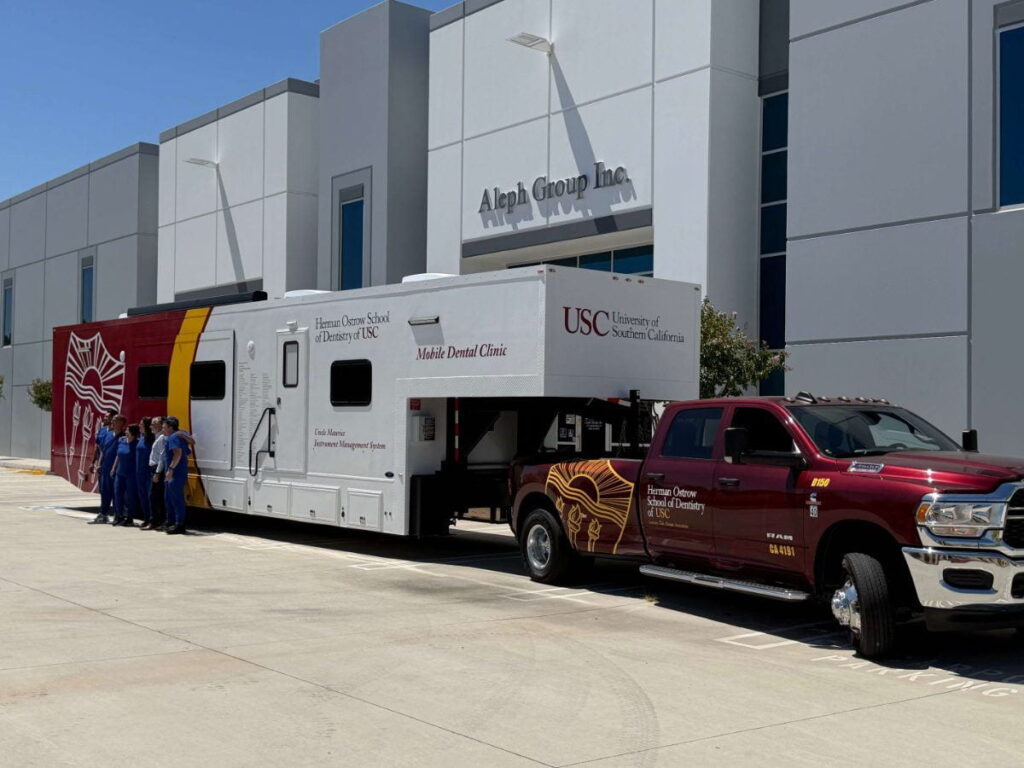
- The Build Difference: While light-duty commercial vans and towable trailers play an important supporting role in early emergency logistics, rigorous disaster environments often demand a heavier platform. Because multi-week deployments involve continuous operation of heavy commercial generators and massive HVAC filtration systems, a medium to heavy-duty truck chassis provides the ideal structural longevity and payload headroom required for extended missions.
The Operational Blueprint: Systems vs. Citizens
To ensure fleet deployments translate into successful field operations, decision-makers must look beyond the mechanics and understand the distinct mission profiles of these assets. The easiest way to eliminate confusion is to separate them by who they serve and when they deploy:
- Disaster Recovery Vehicles (DRVs): System-First (The Infrastructure Hub). Think of a DRV as a mobile IT server room and tactical command center. Deploying in the immediate stabilization phase (Hours 1 to 72), its job is to restore lost networks and data loops. It looks inward, serving the response workforce and emergency personnel so they can communicate.
- Mobile Disaster Recovery Centers (MRCs): Citizen-First (The Mobile Office). Think of an MRC as a rolling bank branch or municipal clinic. Deploying in the sustained recovery phase (Weeks 1 to 12), its job is community aid and intake. It looks outward, serving displaced residents directly by providing the secure, climate-controlled workspace needed to process financial relief and manage casework.
By pairing a commercial truck chassis (the DRV) with a dedicated public-intake environment (the MRC), municipalities ensure they have the physical durability to survive the environment and the functional utility to serve their people.
To help emergency management teams, city managers, and procurement officers instantly categorize these assets during fleet planning, the matrix below outlines the critical differences across the emergency infrastructure landscape:
| Term & Acronym | Core Asset Type | Primary Operational Focus | Who It Serves | Typical Hardware Platform |
|---|---|---|---|---|
| Disaster Recovery Vehicle (DRV) | Physical Fleet Asset | Heavy infrastructure mobility, power generation, and off-grid subframe payloads. | The Response Fleet & Agency Drivers | Commercial truck chassis (e.g., Ford F-550/F-650/F-750). |
| Mobile Disaster Recovery Center (MRC) | Functional Operational Mission | Restoring local governance, processing FEMA/SBA housing claims, and direct community aid. | Displaced Citizens & Municipal Staff | Walk-in commercial body upfitting with slide-out office environments. |
| Mobile Recovery Vehicle (MRV) | Physical Fleet Asset | Customer-facing transport; often used interchangeably with DRV but specifically configured for service roles. | Displaced Citizens & Field Caseworkers | Motorized medium-duty commercial chassis. |
| Mobile Command Vehicle (MCV) | Tactical System Asset | Inter-agency communications, real-time drone data feeds, and local incident headquarters. | Incident Commanders, Chiefs, & Agency Heads | Highly specialized tactical command trucks. |
| Mobile Emergency Response Support (MERS) | Federal Operational Program | Providing regional satellite, power, and logistics arrays to support state and local officials. | Multi-Agency Task Forces & Federal Personnel | Specialized tactical commercial fleets. |
Matching the Platform to the Crisis: Fleet Form Factors in Disaster Environments
Choosing the right platform form factor is critical for surviving the specific conditions of a disaster zone:
Floods & Hurricanes (Rapid Ingress & Standing Water)
- Recommended Vehicle Type: Mobile Command Centers (MCCs) / Incident Command Vehicles (ICVs)
- The Platform: Medium-duty commercial truck chassis (e.g., Ford F-550/F-650 with raised ground clearance).
- Why It Fits: While pull-behind trailers or low-slung step-vans can be rapidly deployed in mild weather conditions, severe flood and hurricane zones often present standing water and compromised infrastructure. For these rugged environments, a robust medium-duty truck chassis offers the necessary ground clearance and capability to safely navigate compromised roads to reach isolated populations, serving as an immediate tactical hub when local 911 dispatch or police/fire command posts go offline.
Wildfires & Remote Evacuations (Long-Duration, Off-Grid Deployment)
- Recommended Vehicle Type: Mobile Communications Office Vehicles (MCOVs) / MERS Units
- The Platform: Custom medium-duty commercial truck chassis with heavy auxiliary PTO/diesel generators and massive HVAC redundancy.
- Why It Fits: While towable trailer units serve well in managed campsites or semi-permanent staging areas, remote wildfire evacuations often require completely self-contained, motorized assets. A dedicated truck platform allows teams to relocate instantly if wind directions shift, providing a mobile command environment that doesn’t rely on a separate towing vehicle and setup time, whereas a self-contained motorized truck platform can operate independently, supply sustained auxiliary power and secure data networks, and relocate instantly if wind directions shift.
Urban Severe Storms & Tornado Corridors (High-Density Pop-Up Municipal Support)
- Recommended Vehicle Type: Mobile Offices / Administrative Recovery Vehicles (MRVs)
- The Platform: Commercial truck chassis featuring custom walk-in body enclosures with slide-out expanders.
- Why It Fits: While lightweight commercial vans or trailers offer great agility for short-term community outreach, high-density municipal support after a major storm often requires extended, multi-week operation. Utilizing a commercial truck chassis ensures seamless integration with municipal fleet maintenance programs for long-term reliability.
Key Considerations for Municipal Procurement
When emergency management agencies and city planners draft requests for proposals (RFPs) for disaster recovery infrastructure, physical durability and off-grid power are only part of the equation. To ensure your fleet meets both federal compliance standards and real-world operational demands, keep these critical factors in mind:
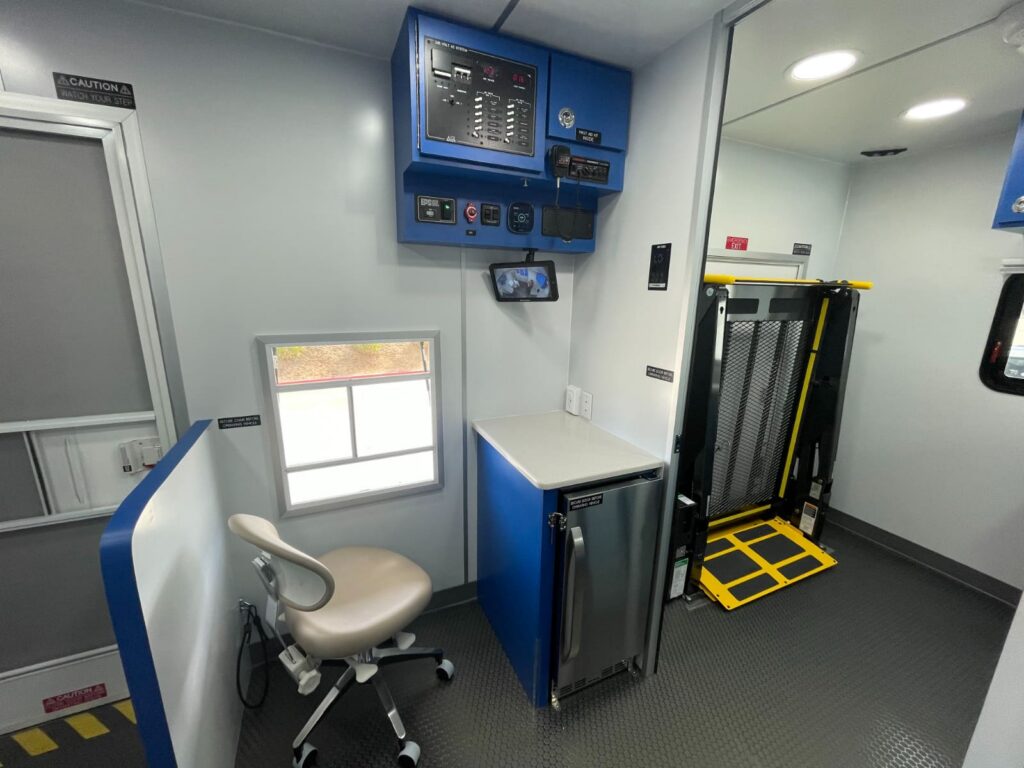
- Accessibility, ADA Compliance, and Access/Functional Needs (AFN): Because Mobile Disaster Recovery Centers (MRCs) directly serve displaced citizens – handling FEMA housing claims, SBA loan applications, and one-on-one caseworker consultations – federal guidelines require equitable access. Ensure your vehicle specifications include ADA-compliant wheelchair lifts, secure ramp systems, low-counter consultation desks, and auxiliary assistive listening devices to serve all community members safely.
- Interoperability & Redundant Communications Architecture: A Mobile Command Center (DRV) is only as effective as its network reach. In disaster zones where local cellular towers and fiber lines are severed, multi-agency interoperability is vital. Specify multi-band radio repeaters, secure satellite data arrays, and encrypted local server racks that allow local police, fire, municipal departments, and federal task forces to communicate on a unified network.
- Chassis Maintenance & Lifecycle Continuity: Selecting a trusted commercial platform – such as a heavy-duty Ford Super Duty or medium-duty commercial chassis – ensures that your municipal maintenance and repair teams can easily source parts and service the fleet locally once it returns to standard municipal rotation, drastically lowering long-term lifecycle costs.
Funding Your Fleet: Connecting to Grants and Preparedness Programs
Acquiring robust disaster recovery infrastructure does not have to strain municipal operating budgets. Federal and state emergency management agencies frequently fund these assets through programs such as FEMA Hazard Mitigation Assistance (HMA), Homeland Security Grant Programs (HSGP), and specialized state resilience funds.
Working with an experienced manufacturer that understands municipal procurement helps streamline the process. Utilizing pre-engineered layouts, compliance documentation, and standardized technical specifications allows agencies to bypass lengthy design phases and accelerate their emergency RFPs.
Frequently Asked Questions
What is the difference between a disaster recovery vehicle and a mobile disaster recovery center?
While a disaster recovery vehicle (DRV) refers to the physical commercial chassis and mobile platform itself, a mobile disaster recovery center (MRC) describes the functional mission: bringing temporary municipal offices, FEMA claims intake desks, and community recovery services directly to disaster-affected areas.
Why are commercial truck chassis preferred over van or RV conversions?
Consumer-grade vans and RVs lack the Gross Vehicle Weight Rating (GVWR) and structural integrity required for disaster zones. Commercial truck chassis (like the Ford F-550 to F-750 range) are explicitly engineered to handle extreme payloads, provide clean, continuous generator power, navigate debris-strewn roads, and withstand the punishing, multi-week physical demands of a crisis area.
Which vehicle platform is best for severe flood or hurricane zones?
Heavy to medium-duty truck chassis platforms (such as a Ford F-550, F-650, or F-750 with raised ground clearance) are ideal. Unlike low-slung commercial trailers or standard van bodies that risk water intrusion or getting stuck in saturated mud, a robust truck chassis can navigate compromised roads and reach isolated populations safely.
Can these disaster recovery platforms operate completely off-grid during power failures?
Yes. Purpose-built DRVs feature robust auxiliary power systems—such as integrated commercial diesel generators or Power Take-Off (PTO) systems—alongside advanced HVAC climate control and redundant communication equipment. This ensures that sensitive computer servers, intake computers, and staff remain fully operational even during extended regional grid collapses.
How do local agencies typically fund these vehicles?
Most state and local emergency management agencies fund these multi-mission fleets through federal preparedness and resilience grants, such as FEMA Hazard Mitigation Assistance (HMA), Homeland Security Grant Programs (HSGP), and specialized state disaster recovery funds. Working with an experienced manufacturer that provides pre-engineered specifications helps agencies accelerate their municipal RFP and grant approval processes.
Conclusion: Restoring Resilience When It Matters Most
When disaster strikes a community, waiting months for permanent municipal infrastructure to be rebuilt is simply not an option. Disaster recovery vehicles and mobile recovery centers eliminate downtime by bringing the command center, the intake desk, and the critical recovery resources directly to the affected population.
For emergency management agencies and city planners looking to modernize their emergency response capabilities, the path forward requires a proactive approach:
- Evaluate Your Gap Areas: Assess whether your current fleet relies too heavily on vulnerable temporary setups, and determine where dedicated, commercial truck platforms (DRVs) or citizen-facing mobile offices (MRCs) are needed.
- Incorporate Multi-Mission Specs Early: Ensure your next Request for Proposal (RFP) accounts for long-duration off-grid power, rugged chassis longevity, and ADA accessibility to satisfy both federal guidelines and community needs.
- Leverage Available Funding: Align your capital planning cycles with federal resilience grants (such as FEMA HMA and HSGP) to secure funding without straining local operating budgets.
Ready to Build Your Proposal?
Don’t start your RFP from scratch. Contact our team today to receive customizable technical specifications, engineering layouts, and compliance documentation tailored to your agency’s upcoming disaster recovery vehicle project.