New medical breakthroughs seem to happen nearly every day.
The Covid-19 pandemic continues to dominate news coverage at the local, national, and global levels.
Social inequality of medical access is almost a household subject.
In some ways, it seems that medical services are losing ground in the battle for the health of cities, nations, and indeed the world.
In all of this, however, a small triumph has been building, and is, quite literally, taking the high road to health.
Where is this improvement?
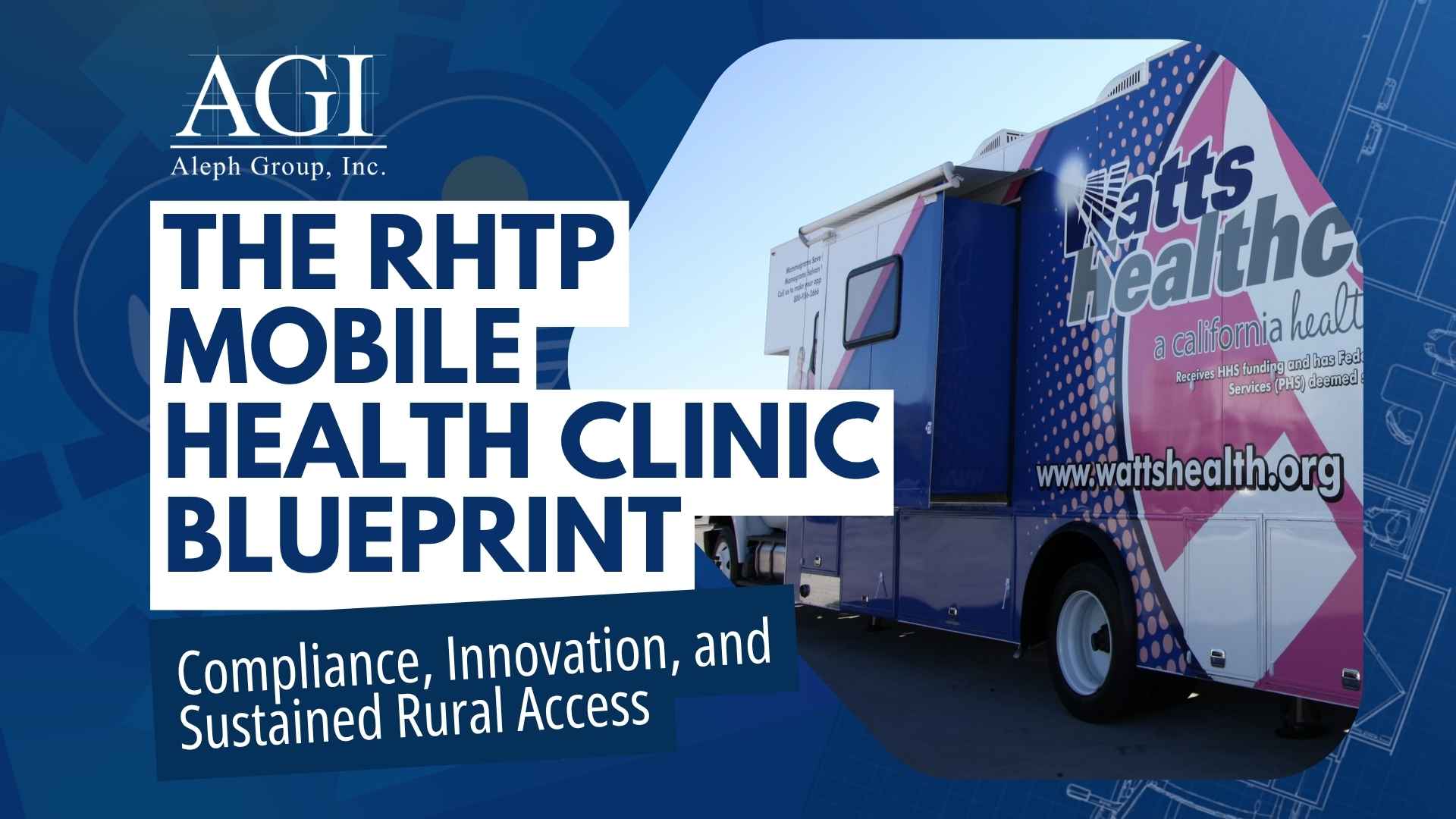
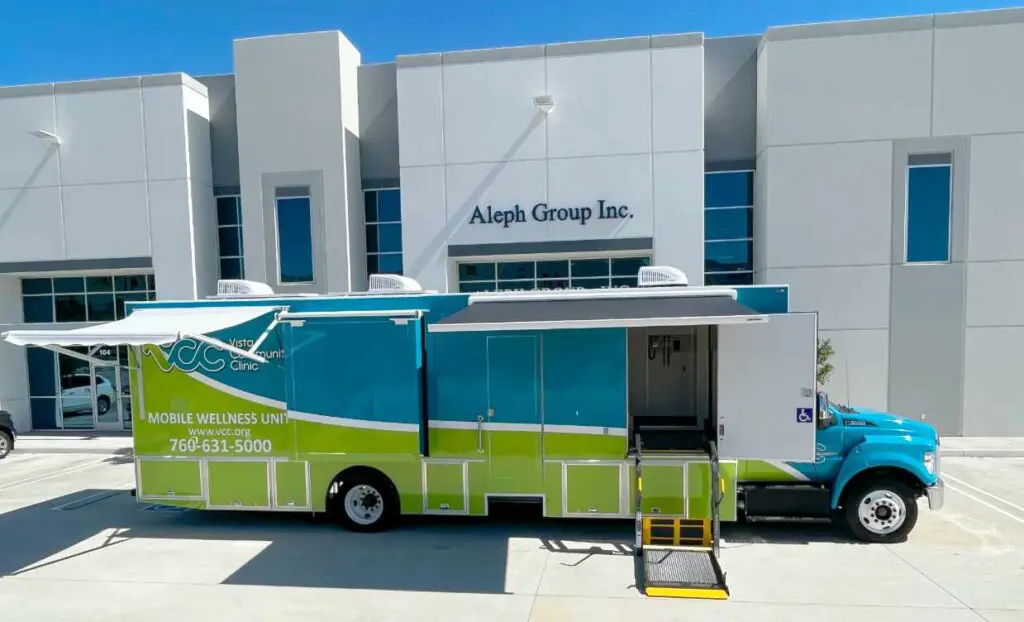
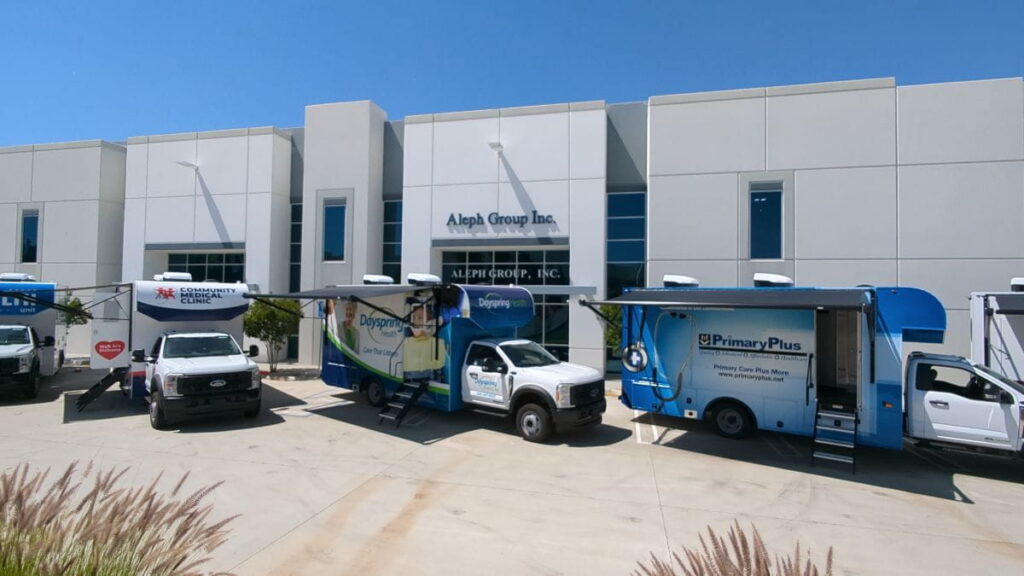
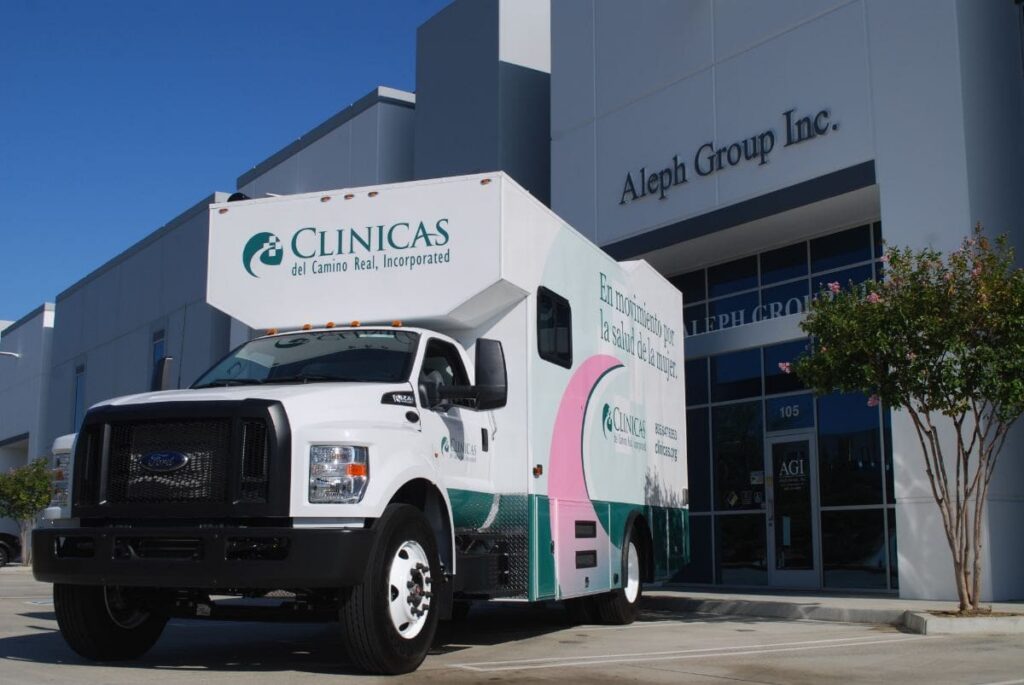
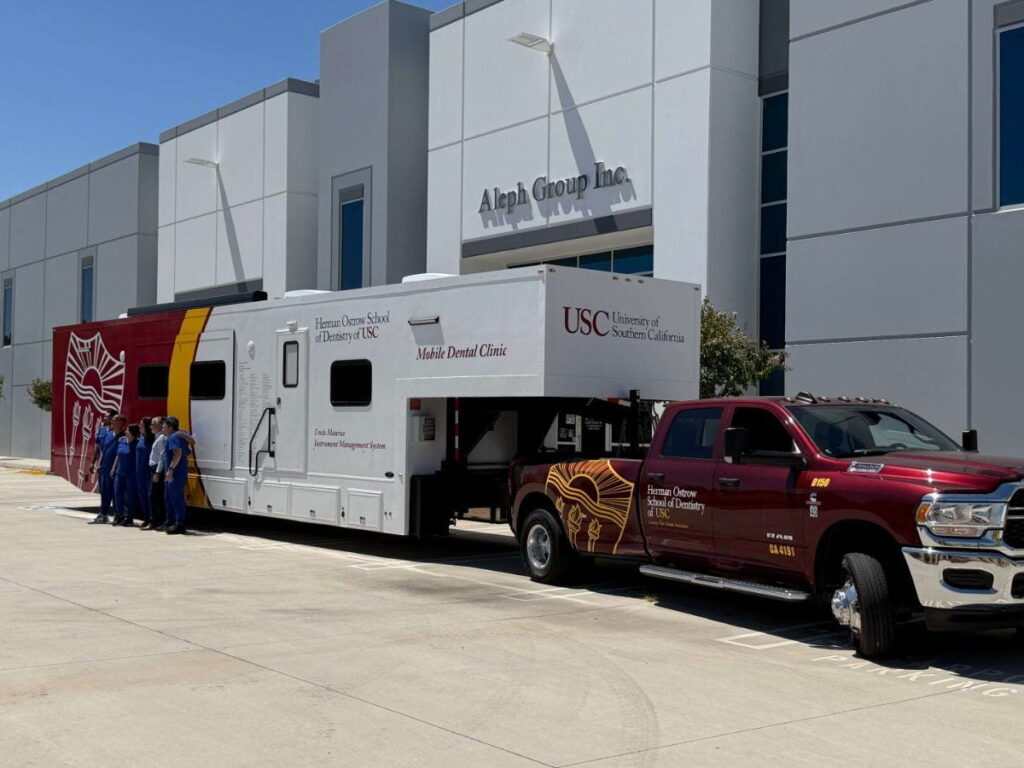
There has been an increased interest and amplified development in the narrow field of Mobile Medical Units (MMUs).
Here are five (of the many) reasons this is so.
1) Changing Medical Strategies.
Hospitals in big cities, built at an earlier age, when workers were flooding to the cities pursuing factory and warehouse jobs, were constructed near the hearts of their communities. As time passed, the working populations were forced to live at increasing distances from the medical nerve centers.
The rising costs of real estate make it increasingly difficult to expand the number of beds or other metrics of expanding the capacity of those hospitals.
In many markets, these facilities are choosing to trade established growth pathways for improved mobility and adaptation, adding MMUs that are at once specialized and specific.
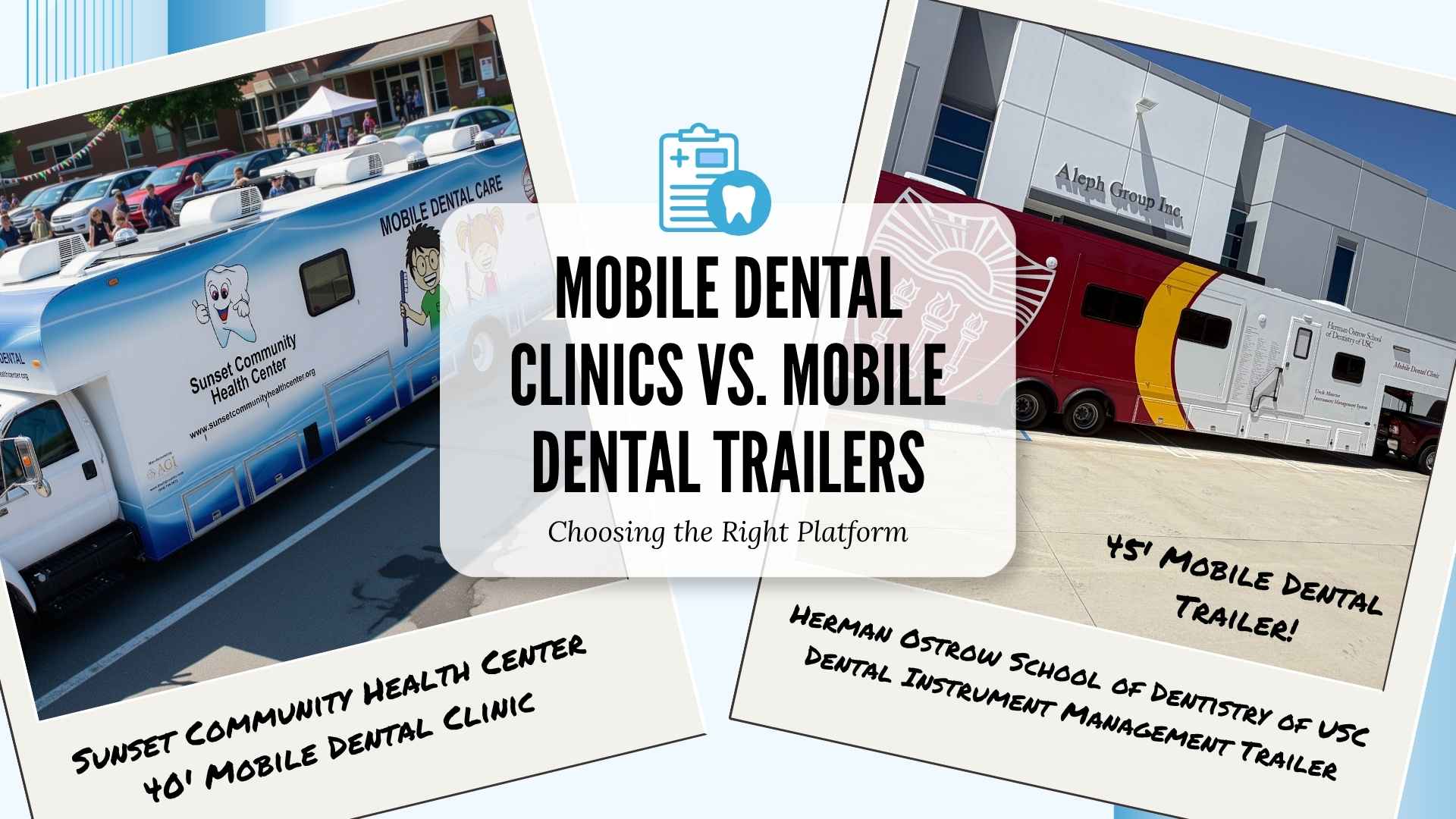
Mobile phlebotomy clinics (Bloodmobiles), dental clinics, and testing centers provide the means to reach more of their patients at reduced costs for both the hospital and the patient.
2) Geographical Reach.
Competition in the medical arena continues to increase, and as it does, the pool of viable patients in a given area, on a per capita basis continues to decline.
Facilities find few alternatives to broadening their coverage area, and the mobile clinic, office, or facility is both a relatively short-term and lower-cost alternative to breaking ground on more physically permanent fixtures.
Clientele departing the centralized locales of hospitals can still be served by those locations through mobile services, allowing them to get the benefits of their coverage without compromising convenience.
3) Underserved Community Outreach.
Even as they achieve those goals, new light has been shed on those areas and demographic slivers that have been underserved along the way.
Homelessness is acknowledged as one of the more visible areas where this is true, and by putting MMUs into those areas, the gaps are reduced, and those who arguably have higher risks and needs are met right where they live, providing them an incentive to take advantage of those benefits, and addressing concerns literally at the street level.
4) Reducing cultural and economic inequalities.
With the attention that mass media has placed on the overlooked inequalities in medical service and awareness, medical providers are in certain markets scrambling to find suitable and expedient means to fill those gaps thoroughly and quickly.
The rapid deployment of MMUs into those underserved areas is a relatively low-cost means to at least begin the process of balancing those inequalities and getting medical care on more even and equitable playing fields.
5) Improved health outcomes overall
As one might expect, the very reason for any improvement in medical procedures, methods, or techniques is to improve health in the process.
Expediting access by creating more opportunities by putting units directly into the communities they serve, reducing the time between need and service, and giving communities their appropriately equitable access, all do just that.
People who can see their doctor, receive their treatment, or simply be apprised of medical advice are all going to be healthier for the effort.
For these reasons, and probably innumerable others, the manufacture, mobilization, and maintenance of Mobile Medical Units continue to spiral upward, and there are no foreseeable reasons this should not continue and even increase in intensity as the population – and demand – increase.
If your organization is seeking to have a mobile medical, dental, or other specialty unit manufactured, please use the form below to contact us with your needs. For more information, or if you have any questions, don’t hesitate to contact us.
Aleph Group Inc builds Custom Specialty Vehicles for medical, dental, and humanitarian agencies.
Please visit us on Facebook and our Youtube Channel.