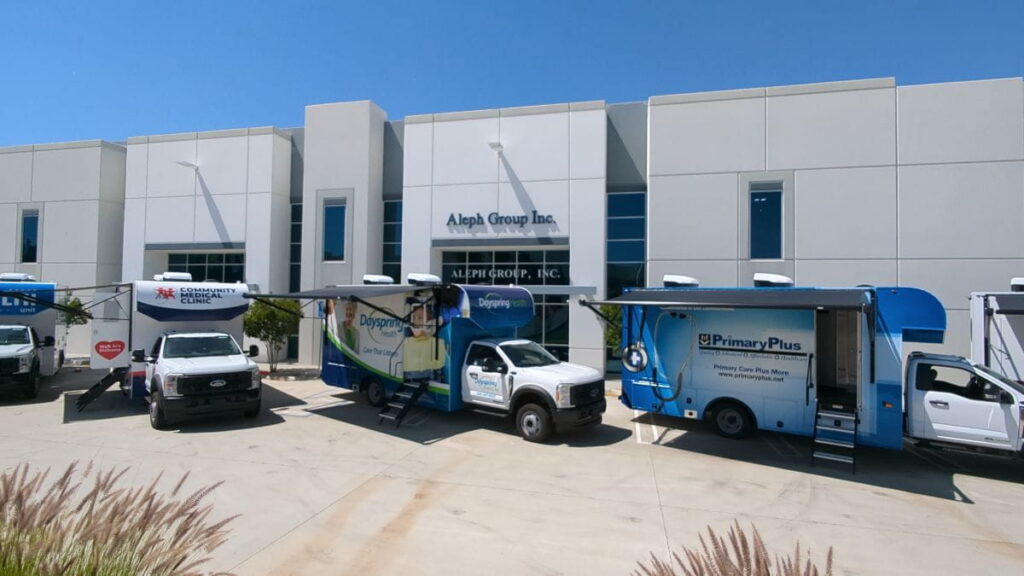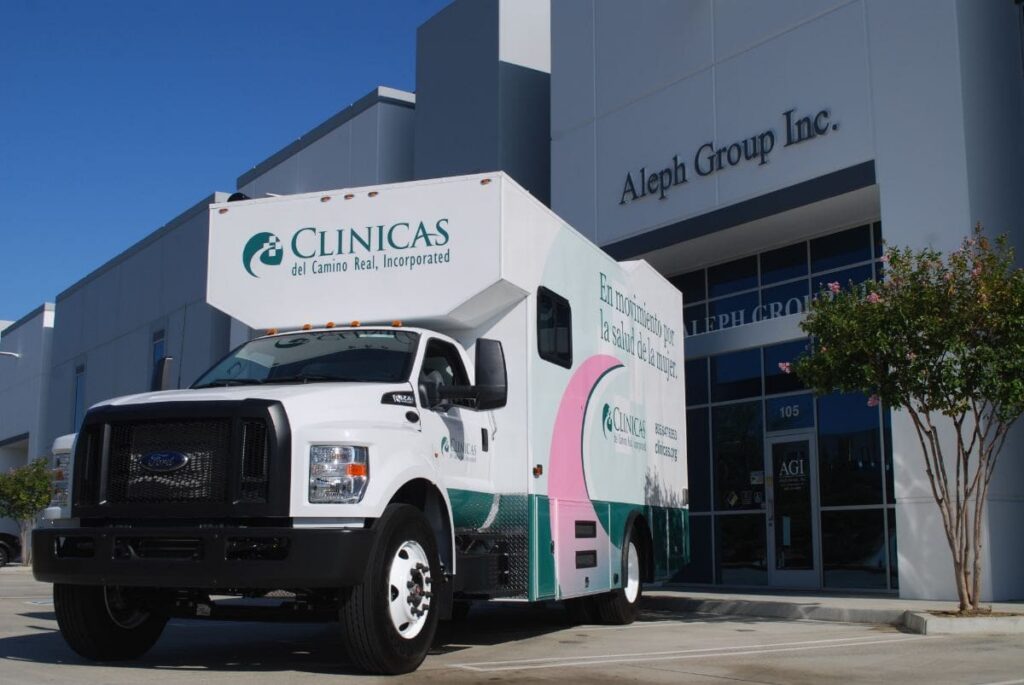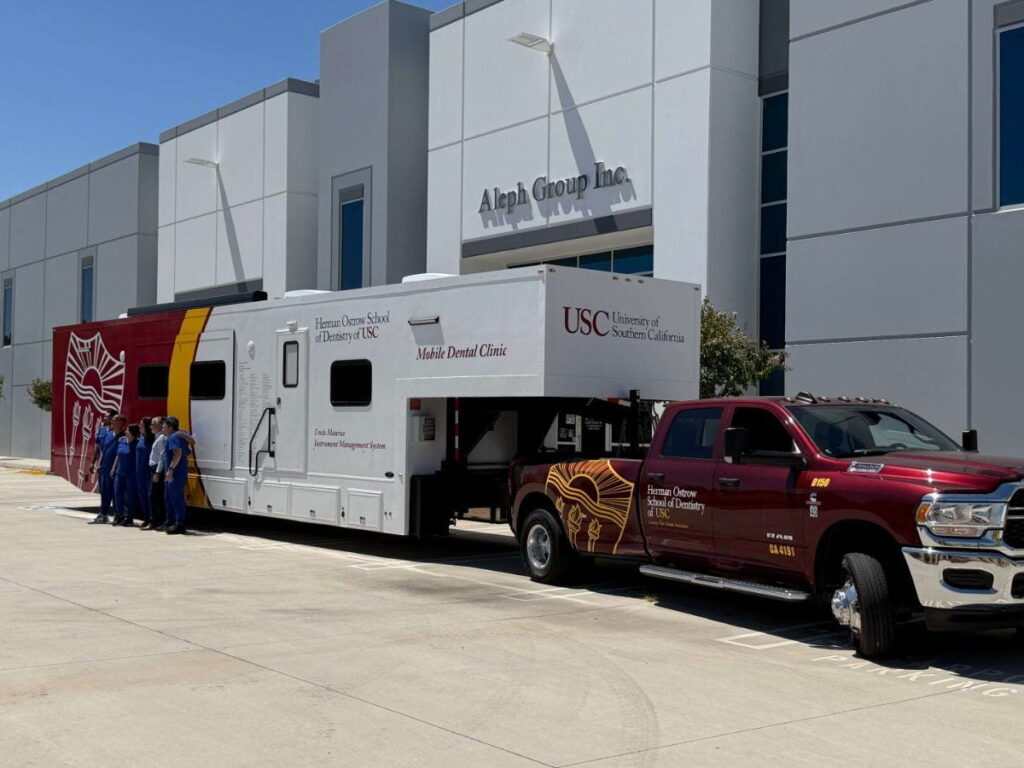
The delivery of mobile primary care in the United States has transitioned from an experimental outreach strategy to a core pillar of healthcare infrastructure. For healthcare executives, clinical directors, and operations managers, deploying a mobile medical clinic requires navigating a complex environment of federal mandates and strict clinical guidelines.
The most critical decision in the procurement process centers on the vehicular platform itself: Should the program invest in a purpose-built medical unit or convert an existing vehicle?
While both options may appear similar on the surface, their ability to support safe, compliant healthcare environments can differ significantly.
In mobile healthcare, infection control is not a feature that can be added later. It must be designed into the structure, systems, and materials from the very beginning.
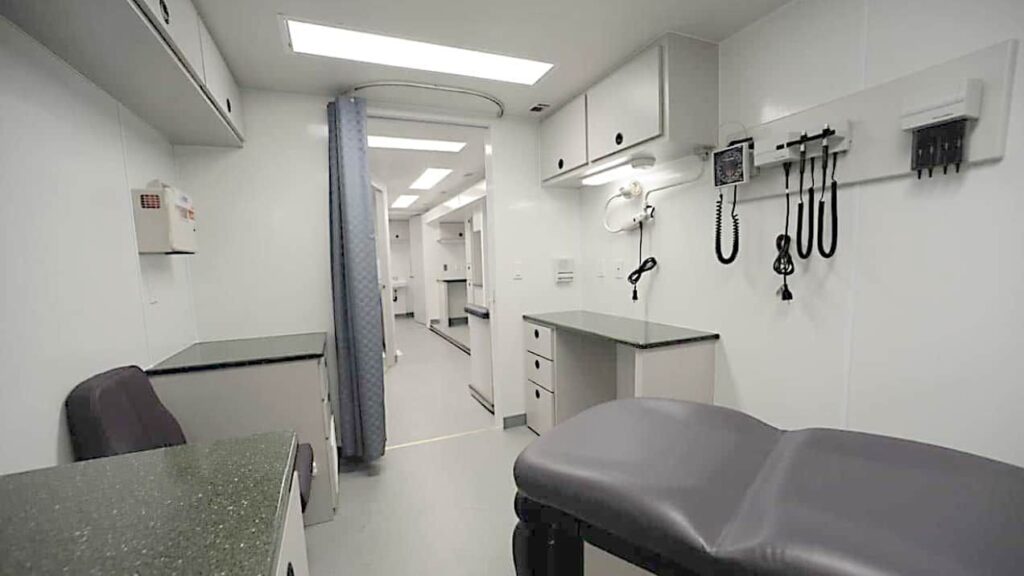
Navigating Infection Control in the Enclosed Clinical Environment
Deploying a mobile primary care unit introduces a unique set of challenges that traditional, brick-and-mortar clinics rarely encounter. In a mobile setting, the traditional boundaries of clinical space are compressed, forcing high patient volumes, diagnostic testing, and medical transit into a singular, tightly enclosed footprint. Because separate triage rooms or distant waiting areas do not exist, the physical vehicle itself must serve as the primary engineering control against cross-contamination. Successfully protecting patients and healthcare personnel requires a deliberate integration of United States guidelines – specifically the Centers for Disease Control and Prevention (CDC) Core IPC Practices and the Occupational Safety and Health Administration (OSHA) standards – adapted dynamically for the realities of a highway-ready vehicle.
To successfully implement primary patient care in a closed space like a mobile medical clinic, you must transition from standard to specialized, medical-grade materials and core engineering components.
The primary goals when specifying core components and materials to build or repurpose a vehicle for medical use are infection eradication, structural durability under constant motion, and heavy climate regulation.
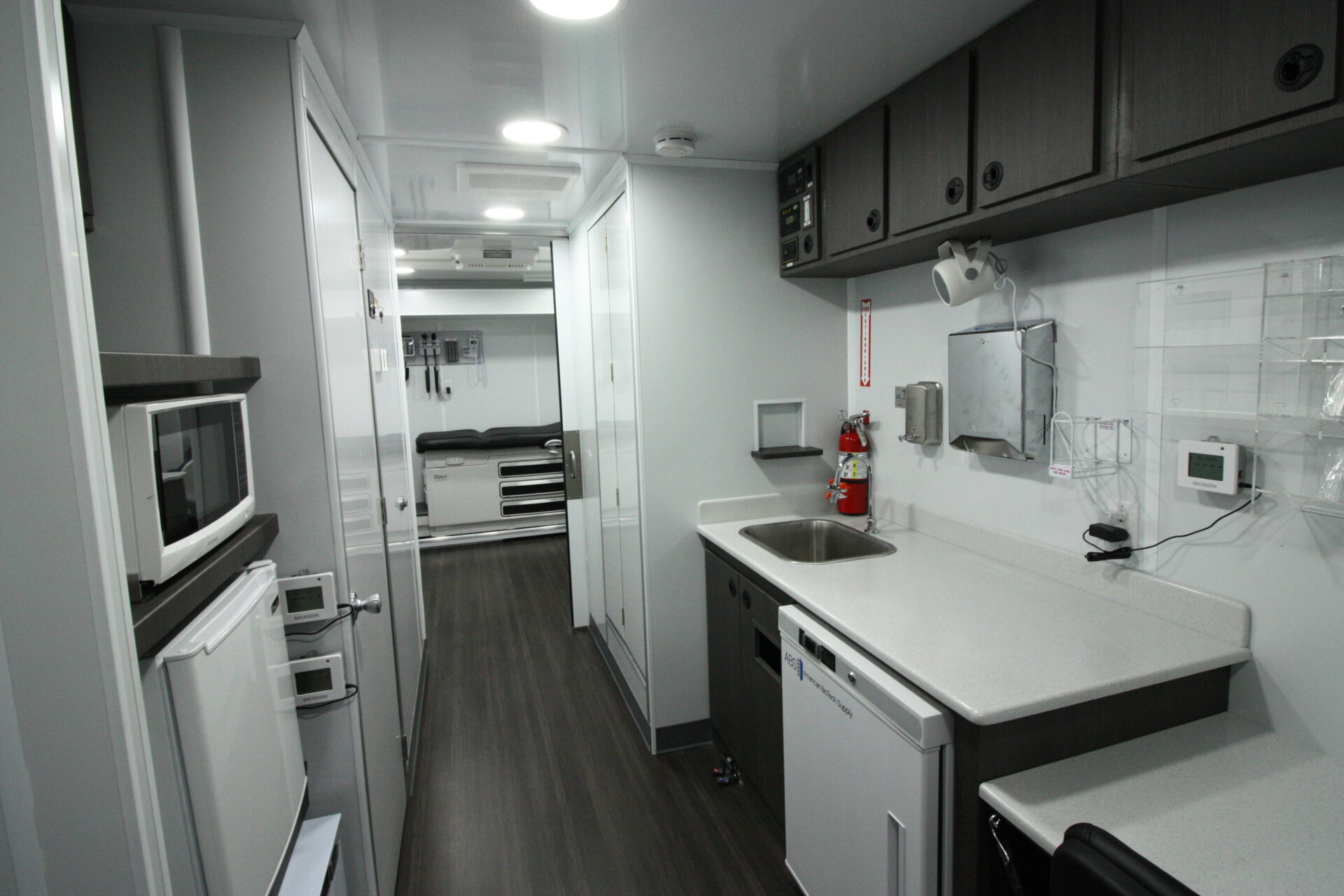
1. Air Quality, Ventilation, and Airborne Isolation
A mobile primary care clinic must adapt standard airborne isolation protocols to a vehicular environment to maintain a foundational line of defense against respiratory pathogens. The CDC’s Guidelines for Environmental Infection Control in Health-Care Facilities require strict management of airborne micro-particles, establishing a technical threshold that standard vehicular climate control cannot achieve.
Purpose-Built
To meet this standard, purpose-built medical units are engineered around ASHRAE Standard 170 for the ventilation of healthcare facilities. These systems utilize specialized, factory-sealed filter housings capable of handling the high static pressure required to force air through true HEPA filters, which trap 99.97% of particles down to zero point three microns. Furthermore, purpose-built units mechanically deliver a mandatory six to fifteen active air changes per hour and integrate active pressure-differential controls with wall-mounted gauges, allowing clinicians to establish a true negative pressure environment to isolate respiratory pathogens safely.
Converted
Conversely, converted platforms typically rely on standard air conditioners designed solely for thermal comfort, not pathogen eradication. These systems continuously recirculate stale internal air and lack the blower motor torque required to push air through a dense HEPA matrix. Attempting to retrofit a HEPA filter into a standard AC suffocates the system, causing coil freeze-ups and motor failure. Without high air exchange rates or negative pressure capabilities, a converted vehicle acts as an airborne containment trap for respiratory illnesses, failing to align with basic federal airborne isolation standards.
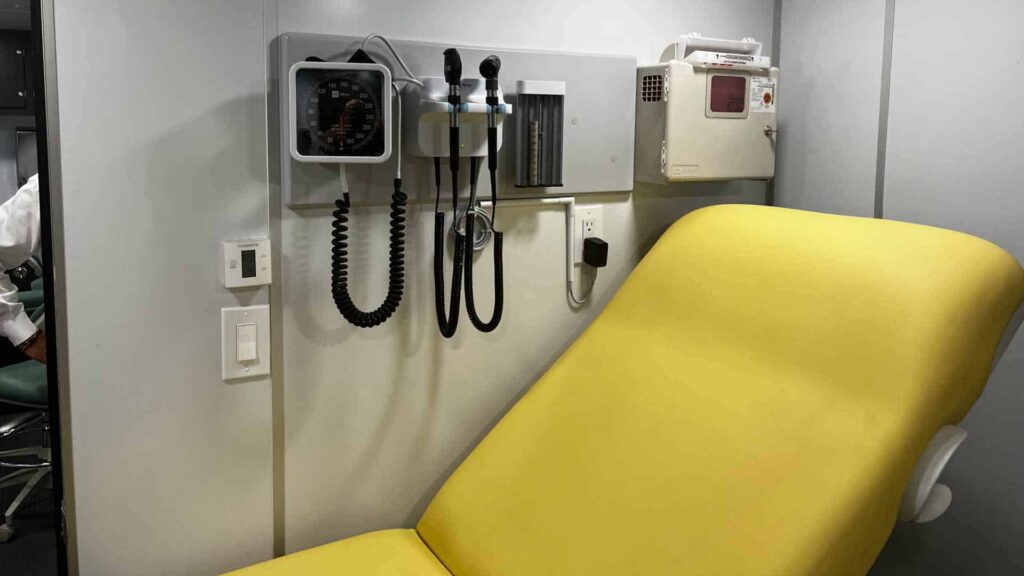
2. Environmental Cleaning & Non-Porous Material Standards
The surfaces within a mobile medical clinic must be engineered to withstand intense cleaning protocols in a clinical environment where appropriate commercial grade disinfectants must be used. When a hard, smooth surface (like a countertop, sealed floor, or vinyl cover) cracks or delaminates, it changes from non-porous to porous. Fluids like blood, saliva, or bacteria get sucked deep into those microscopic cracks through capillary action. Liquid disinfectants cannot reach deep enough into those tiny crevices to kill the trapped pathogens. Every time the surface is pressed or stepped on, those trapped pathogens can be forced back up to the surface. This creates a hidden pool – or reservoir – of living biohazards.
Purpose-Built
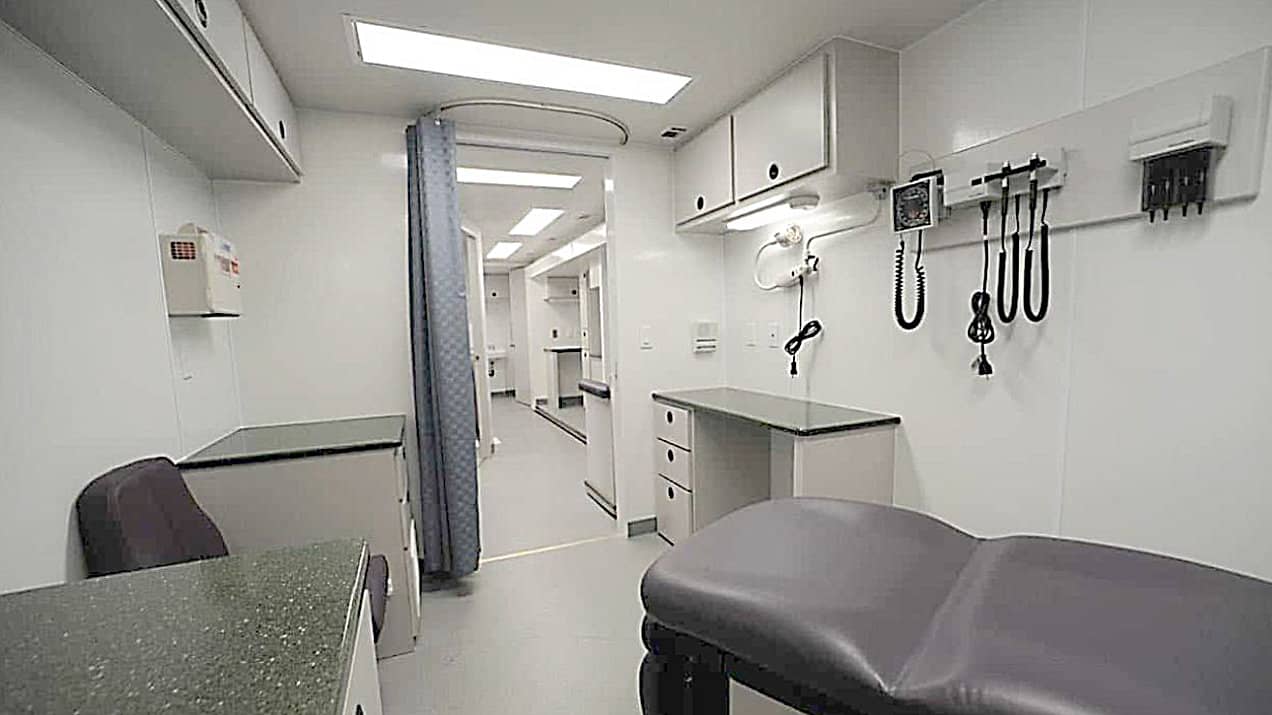
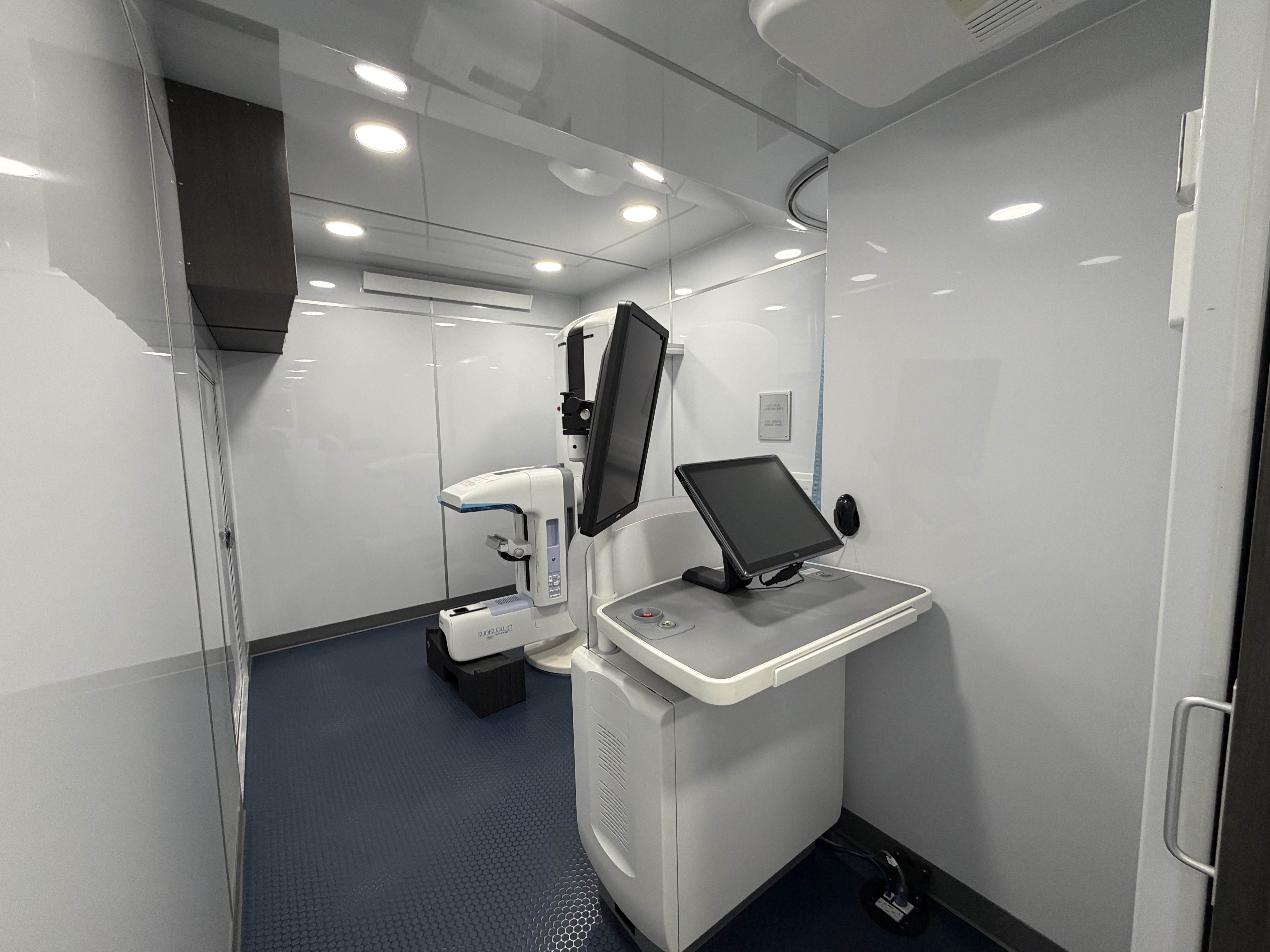
Purpose-built vehicles prevent this by fitting the interior with seamless, non-porous finishings made of heat-welded fiberglass reinforced panels (FRP panels), while countertops utilize solid-surface acrylics or stainless steel that will not warp or delaminate when saturated with corrosive disinfectants. Underneath, commercial anti-skid hospital grade rubber flooring features a four-to-six-inch coving radius that curves smoothly up the wall to eliminate right-angle dirt traps, with all floor seams thermally fused using a welding rod to form an impermeable, single-piece barrier.
Converted
Converted vehicles frequently utilize modular vinyl panels, plastic trim lines, porous wood cabinetry, or standard carpeting. Chemical vapors from hospital-grade disinfectants rapidly warp glue seams, leading to the swelling and delamination of these porous wood sub-structures. Once a surface cracks or delaminates, you cannot legally just spray it with bleach and call it safe. Under OSHA’s housekeeping and bloodborne pathogen rules, the surface must be removed, replaced, or completely resealed.
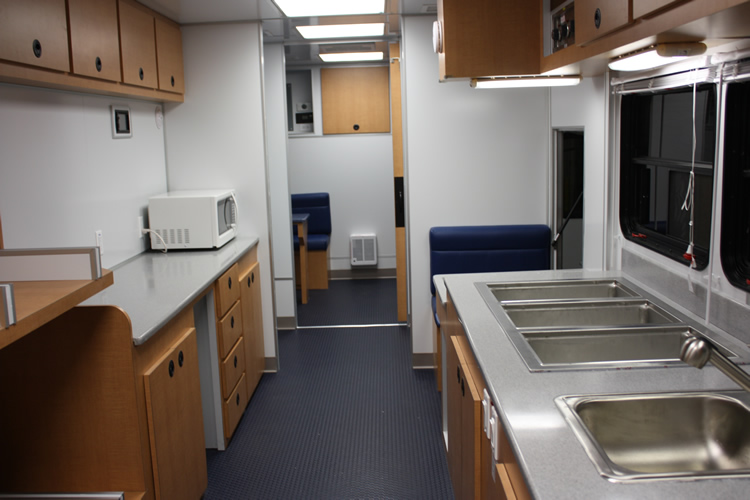
3. Specialized Plumbing & Sanitation Infrastructure
The execution of standard infection prevention protocols requires a deliberate shift from traditional outpatient workflows to specialized, vehicular engineering controls. Because a mobile unit operates in a tightly confined physical footprint with high patient turnover, hand hygiene stands as the first line of defense, a requirement heavily monitored by the CDC and state licensing boards.
Purpose-Built
Purpose-built medical units satisfy this baseline by integrating a dedicated clinical handwashing sink that remains entirely separate from laboratory, greywater disposal, or bathroom plumbing. To prevent the immediate recontamination of clean hands, all faucets and soap dispensers are touchless, featuring automated infrared motion sensors or mechanical foot pedals. Furthermore, the internal plumbing lines in a purpose-built unit are shielded against standing water biofilms and bacterial growth – a major risk during vehicle downtime – through an integrated utility loop that allows for a secondary ultraviolet (UV-C) water sanitization module to continuously sterilize the potable water line. This physical infrastructure is heavily supplemented by alcohol-based hand rubs containing sixty to ninety-five percent alcohol mounted securely at the entry door, within the waiting zone, and at the immediate point of care.
Converted
Vehicle conversions rarely accommodate these complex fluid dynamics and separation mandates. In a converted unit, a single manual-twist faucet basin is typically forced to handle handwashing, clinical utility waste, and lab testing prep simultaneously. Forcing a clinician to manually turn a traditional faucet handle after a patient exam completely invalidates the handwashing process.
4. Patient Flow, Accessibility, and Spatial Zoning
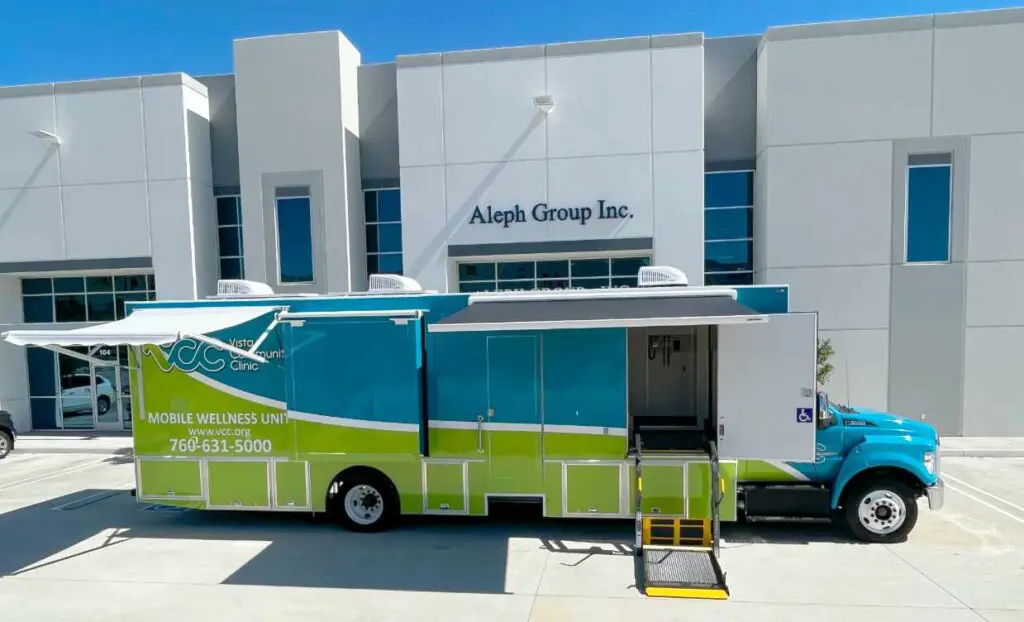
Patient flow and respiratory isolation within a narrow vehicle cabin demand proactive spatial management. Under the Americans with Disabilities Act (ADA), a mobile clinic must feature a commercial hydraulic wheelchair lift, a minimum thirty-two-inch clear door width, and a sixty-inch internal turning radius. Beyond legal access, this spatial clearance serves as a critical infection control mechanism.
Purpose-Built
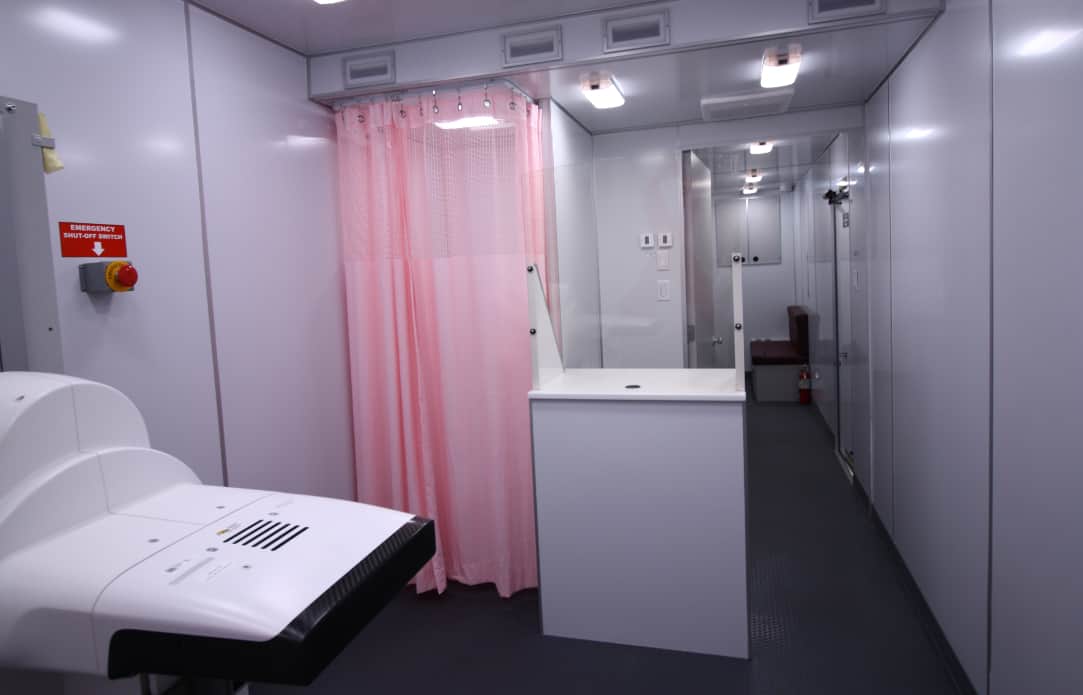
Purpose-built layouts are engineered from the blueprint stage to enforce a strict, unidirectional workflow. A compliant purpose-built design places an immediate source control station for masks and hand sanitizer at the primary entrance door and guarantees that clean utility zones housing sterile supplies are physically isolated from dirty utility zones. Proper ADA clearance ensures that mobility-impaired patients can navigate the vehicle and exit the exam chair without physically brushing against walls, clean counters, or contaminated waste zones.
Converted
Vehicle conversions often restrict internal movement, creating high-risk intersection points. In a tight, cramped conversion lacking ADA dimensions, a patient or their mobility device will inevitably make physical contact with sterile supply storage or contaminated waste zones while moving through the cabin. Furthermore, conversions rarely provide the physical footprint needed to maintain a separate clean-to-dirty workflow.
5. Mechanical Anchoring, Transit Dynamics, and OSHA Standards
Occupational safety inside a moving vehicle introduces unique kinetic variables governed strictly by OSHA bloodborne pathogen standards. Unlike stationary offices, a mobile clinic experiences constant highway vibrations, potholes, and sudden braking forces, meaning that the structural anchoring of clinical assets is a matter of strict legal liability.
Purpose-Built
To protect healthcare workers from accidental needlesticks and hazardous spills, the OSHA Bloodborne Pathogen Standard dictates that puncture-resistant sharps containers and red-bag biohazard bins must be securely mounted. Purpose-built medical clinics satisfy this requirement by framing the vehicle chassis so that heavy-duty metal studs are located exactly where these waste brackets are bolted. Furthermore, all clinical drawers and cabinets in a purpose-built unit utilize mechanical, positive-locking slam-latches or compression latches that remain locked under severe highway momentum.
Converted
Conversions frequently secure heavy biohazard bins and sharps containers directly into thin cosmetic wall paneling or lightweight interior insulation using standard screws. Under hard braking or a transit collision, these weak mounts can tear free. Converted units also tend to reuse residential magnetic or friction cabinet catches, which easily give way during transit, spilling sterile supplies onto the floor.
Making the Right Call for Patient Safety and Compliance
Purpose-built mobile clinics are specifically engineered with these requirements in mind. Every component – materials, layout, airflow, and systems – is selected to support compliance. By contrast, converted units often operate within the limitations of their original design, making full compliance more difficult or requiring costly modifications.
This difference creates a critical divide: one approach is engineered for compliance, while the other must adapt to it.
Choosing the right mobile clinic isn’t just a purchasing decision – it’s a commitment to patient safety, clinical performance, and regulatory confidence.
If you’re weighing the risks between converted and purpose-built units, you don’t have to navigate it alone.
How We Can Help
- Review your current or planned mobile clinic design
- Identify potential compliance and infection control gaps
- Provide expert guidance tailored to your clinical use case
Talk to an Expert Today
Connect with an Aleph Group Inc. specialist to discuss your specific needs and ensure your mobile clinic is built for safe, compliant healthcare delivery.