Why the World Needs More Stories of Good
Over the years, I have had the privilege of meeting some truly remarkable people.
Many of these encounters came through my work in the mobile healthcare industry. For more than 25 years, I have had the opportunity to work alongside organizations dedicated to bringing healthcare directly into communities. While our company builds the platforms that support these missions, the true heroes are the healthcare professionals, volunteers, nonprofit organizations, and community leaders who dedicate themselves to serving others.
Doctors who spend their weekends treating patients in underserved communities.
Nurses who work long shifts and then volunteer at community health fairs.
Nonprofit leaders who devote their lives to causes larger than themselves.
Community advocates who quietly solve problems without ever seeking recognition.
The interesting thing is that most of these individuals rarely talk about their accomplishments.
In fact, many seem almost uncomfortable when someone thanks them for their efforts.
I have often wondered why.
Perhaps it is because many of us were raised with the belief that when we do good for others, we should do it quietly. Across many faiths and spiritual traditions, there is a common teaching that acts of kindness should not be performed for public recognition. One of the most well-known examples is the biblical teaching that “the left hand should not know what the right hand is doing.”
The lesson is beautiful.
Help because it is the right thing to do.
Serve because others are in need.
Give because you can.
Not because someone is watching.
I deeply respect and admire that philosophy.
Yet over time, I began to notice something remarkable. Many of the people making the greatest impact in their communities were often the least interested in receiving recognition for it. They simply focused on serving others and moved on to the next challenge.
And through those observations, I came to another realization.
While good deeds should never be performed for recognition, the stories behind those deeds should not always remain hidden.
A Conversation That Changed My Perspective
Several years ago, I visited a mobile healthcare program serving a rural community.
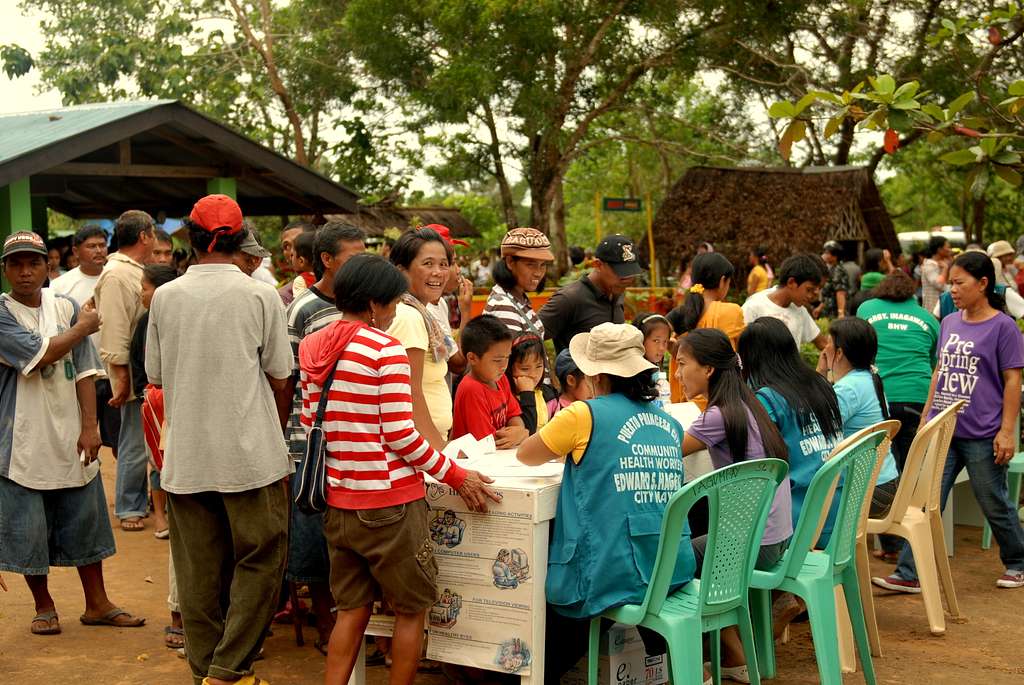
The healthcare team had traveled hundreds of miles to provide services to patients who otherwise had very limited access to care. Throughout the day, I watched families arrive, children receive medical attention, seniors undergo screenings, and patients leave with a sense of relief that someone had cared enough to come to them.
At the end of the day, I thanked one of the organizers.
His response stayed with me.
He smiled and said:
“We’re just doing what needs to be done.”
No press release.
No social media campaign.
No publicity.
Just people helping people.
As I drove away, I couldn’t stop thinking about how many similar stories unfold every day without anyone ever hearing about them.
And that bothered me.
Not because I believed these volunteers deserved applause.
But because I believed the world deserved to hear more stories like theirs.
We Hear Too Much About What Is Broken
Turn on the television.
Open a news website.
Scroll through social media.
Most of what we see revolves around conflict, division, tragedy, and crisis.
The reality is that these things exist, and they deserve attention.
But they are not the whole story.
There is another story unfolding every day.
A story that rarely makes headlines.
It is the story of healthcare workers showing up before sunrise.
The story of volunteers sacrificing their weekends.
The story of organizations bringing care, education, food, and support to people who need it most.
The story of communities helping one another.
If all we ever hear about is what is broken, we begin to believe that nothing is improving.
But that simply isn’t true.
The Quiet Heroes of Healthcare
The healthcare industry is filled with people who perform extraordinary acts of service every day.
According to the World Health Organization, billions of people worldwide still lack access to essential healthcare services. Rural populations, underserved urban communities, and vulnerable populations continue to face barriers related to transportation, affordability, provider shortages, and geographic isolation.
Yet every day, healthcare professionals are working to close those gaps.
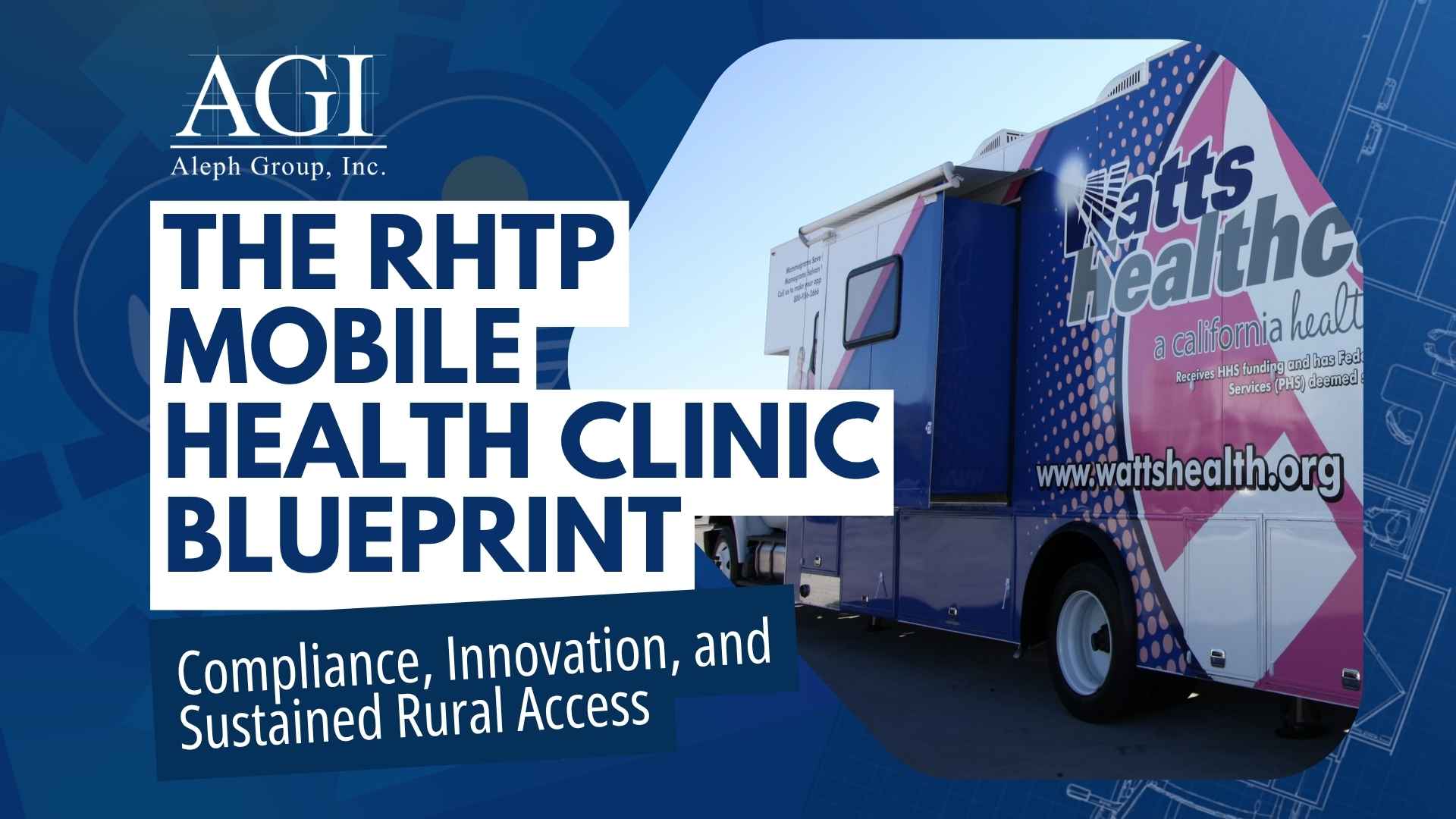
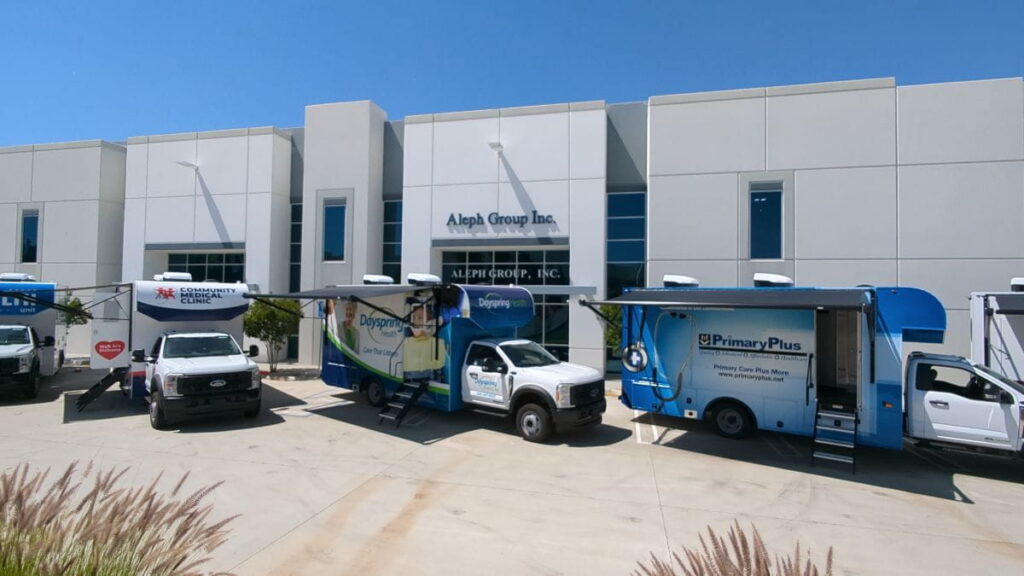
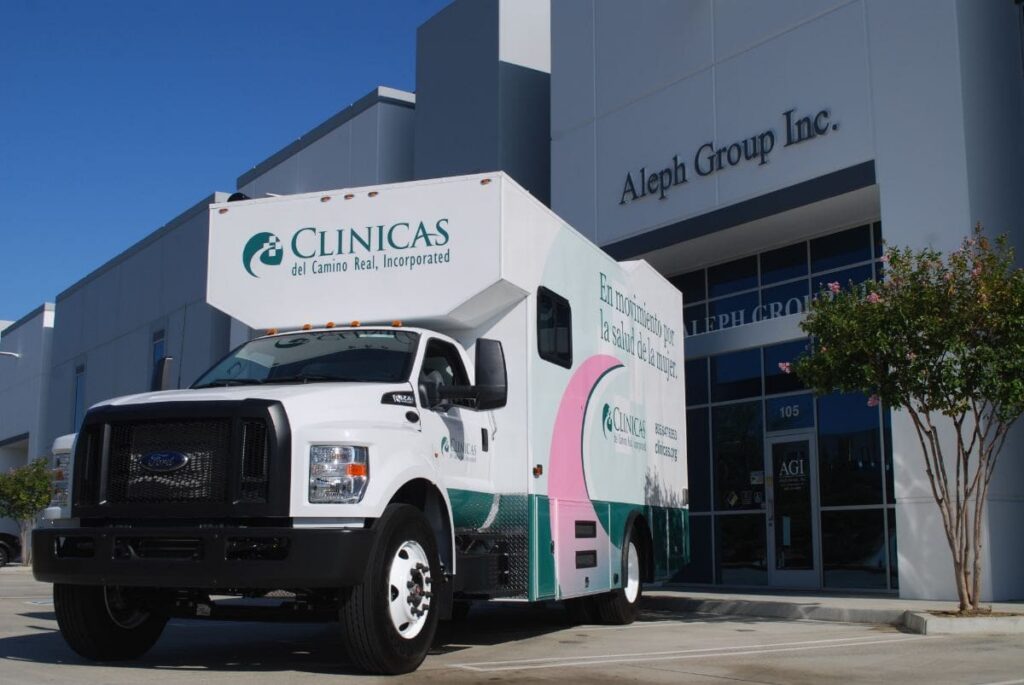
Mobile clinics are bringing primary care to remote towns.
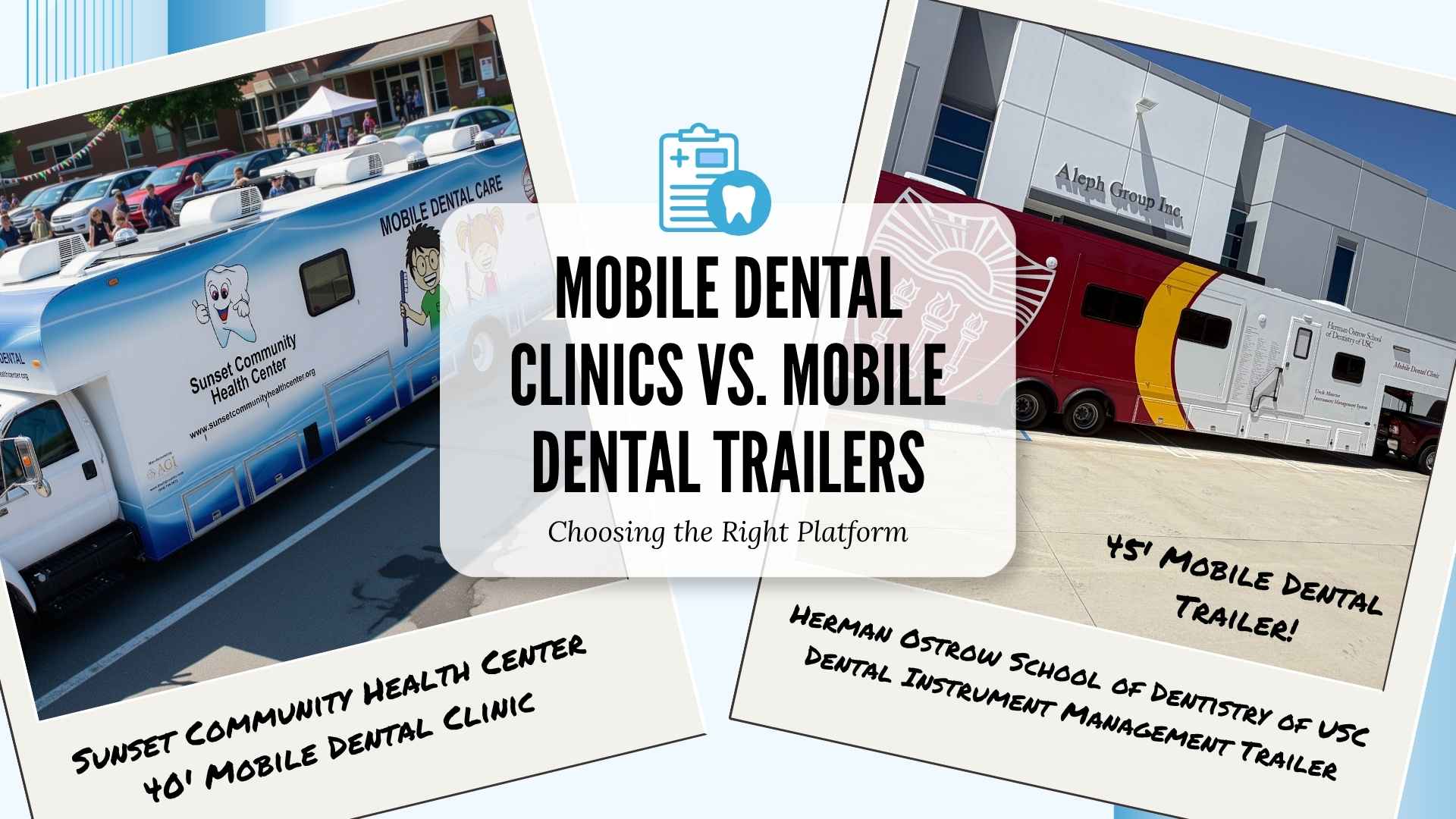
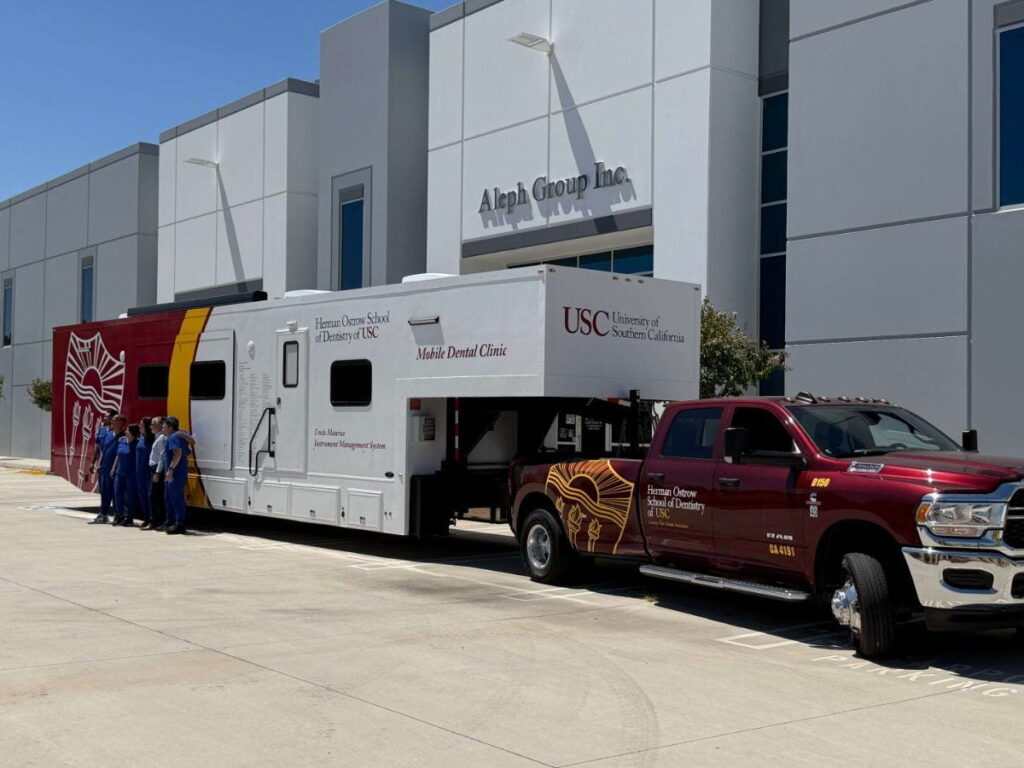
Dental outreach programs are restoring smiles for children who have never seen a dentist.
Mobile mammography units are helping detect cancer earlier.
Behavioral health teams are reaching individuals who otherwise might never seek treatment.
Community health workers are building trust where traditional healthcare systems have struggled to connect.
Most people will never know the names of those involved.
They may never meet the nurse who volunteered her Saturday.
They may never hear about the physician who drove hours to serve a rural community.
They may never learn about the nonprofit team that spent months organizing a health initiative.
Yet the lives they touch may be forever changed.
These stories matter.
Not because they make organizations look good.
But because they remind us of what people are capable of when compassion is put into action.
The Difference Between Recognition and Inspiration
There is a significant difference between seeking recognition and sharing inspiration.
Seeking recognition says:
“Look what I did.”
Sharing inspiration says:
“Look what is possible.”
One focuses on the individual.
The other focuses on the impact.
When we share stories of successful outreach programs, volunteer efforts, or community healthcare initiatives, we are not celebrating ourselves.
We are celebrating human potential.
We are showing others that solutions exist.
We are creating a blueprint that others can follow.
We are planting seeds that may inspire the next volunteer, the next donor, the next healthcare provider, or the next community leader.
Sometimes a single story can spark a thousand acts of kindness.
What Mobile Healthcare Has Taught Me
One of the greatest privileges of my career has been witnessing what happens when healthcare is brought directly to the people who need it most.
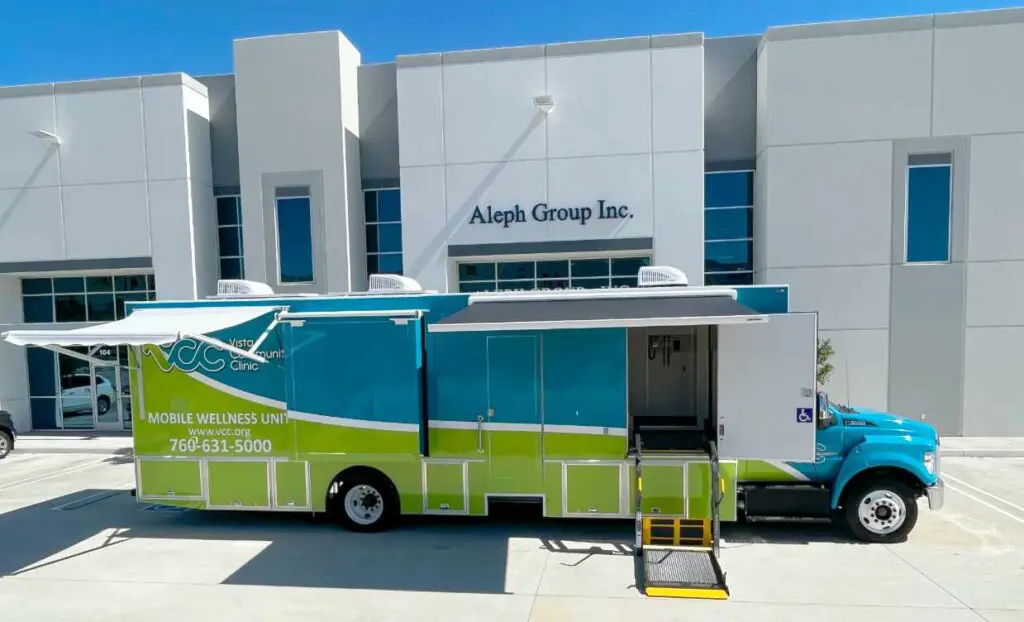
At Aleph Group, we build mobile healthcare facilities, but what inspires us most is not the vehicles themselves.
It is what happens after they leave our facility.
It is seeing a mobile clinic parked in a rural community where healthcare access was once limited.
It is hearing about children receiving care.
It is learning that a screening detected a serious condition early enough to save a life.
It is knowing that a patient who could not travel to a hospital was able to receive care because someone brought healthcare to them.
Over the years, we have witnessed organizations deliver millions of patient encounters, preventive screenings, vaccinations, dental treatments, behavioral health services, and educational programs. Behind every statistic is a human story—a mother who received prenatal care, a veteran who gained access to mental health support, a child who received a first medical examination, or a senior who was diagnosed early enough to receive life-saving treatment.
Those are the stories that matter.
Those are the stories worth sharing.
Let’s Share More Good
I do not believe that sharing stories of compassion diminishes the value of the service being performed.
If anything, I believe it multiplies its impact.
The healthcare workers, volunteers, nonprofits, and community leaders doing this work are not asking for attention.
Most would continue regardless.
But by sharing their stories, we remind the world that goodness still exists.
We remind ourselves that progress is possible.
And perhaps most importantly, we inspire others to step forward and make a difference.
The world will always have challenges.
But it also has millions of people working every day to overcome them.
Maybe it’s time we heard more about them.
Maybe it’s time we shared more stories of good.
Because good news does more than make us feel better.
It gives us hope.
And hope has the power to change the world.
About the Author
Jales A. De Mello is the President of Aleph Group, a company dedicated to designing and manufacturing custom mobile healthcare, educational, and community outreach facilities. For more than 25 years, he has worked alongside organizations committed to expanding access to healthcare and essential services in communities throughout the United States and around the world.