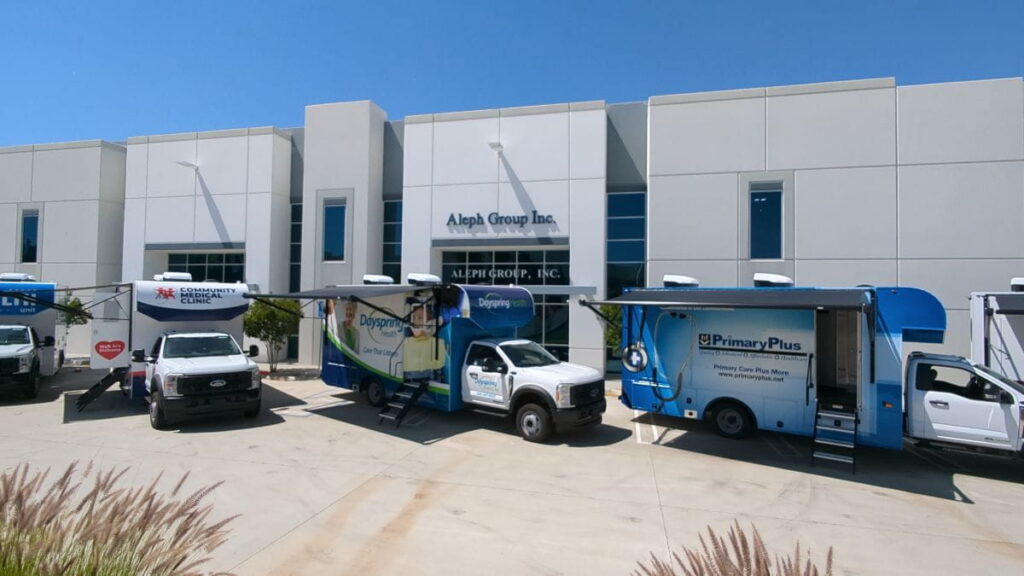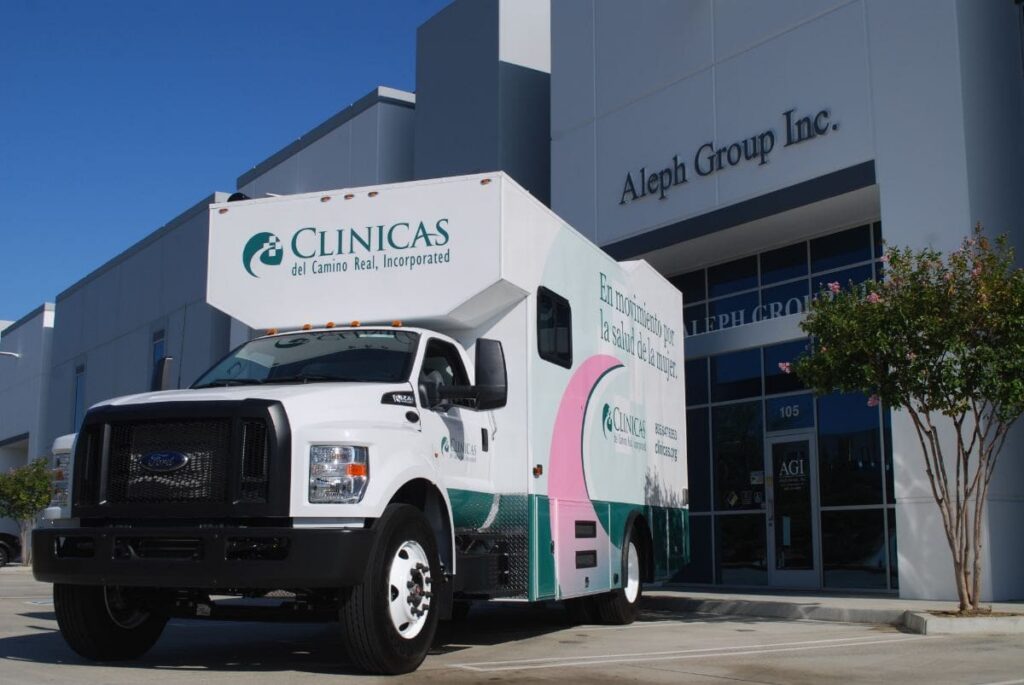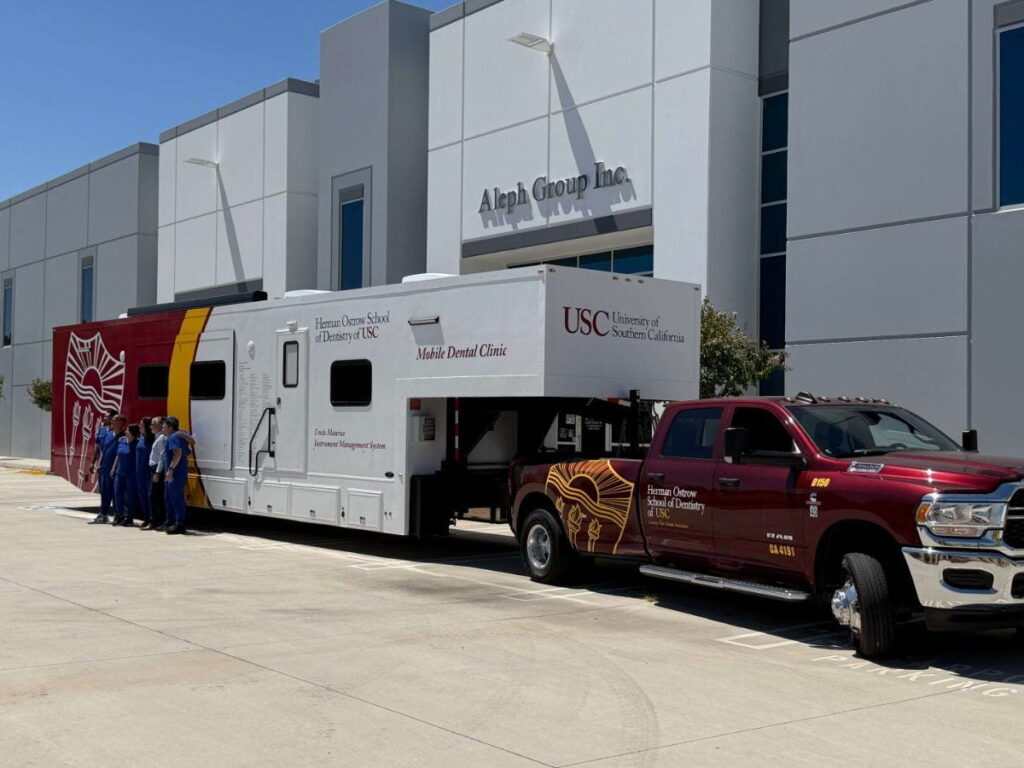
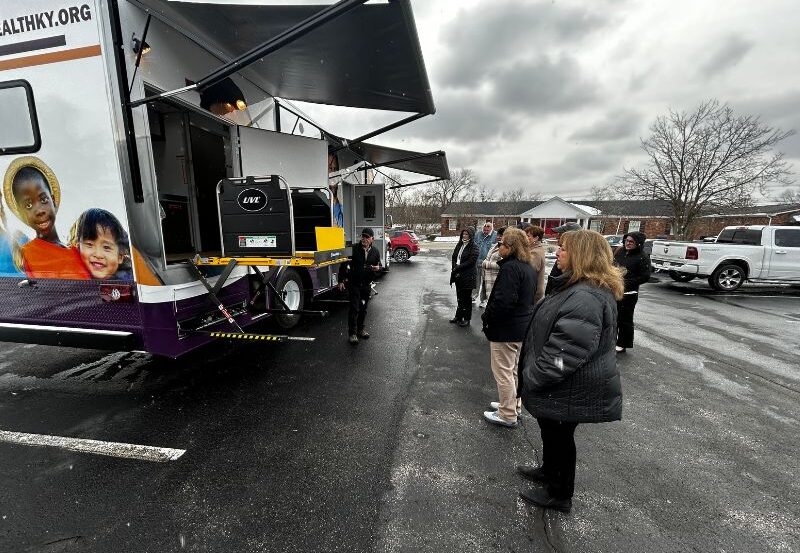
Mobile medical clinics have proven to be an essential resource during various disasters, conflict zones, and disease outbreaks. They bring healthcare directly to affected communities, providing life-saving services when and where they’re needed most. Here’s why mobile medical clinics are vital in disaster response:
Mobile Medical Clinics in Natural Disasters
Natural disasters often result in widespread damage to infrastructure, leaving affected populations without access to essential healthcare. Mobile clinics help bridge this gap by providing medical services where traditional healthcare facilities may no longer exist or be accessible.
- Hurricane Wilma (2005) – Broward County, Florida: Nine mobile medical vans were deployed by USPHS, local health departments, and DVA personnel. They provided medical services to retirement communities, mobile home parks, and low-income housing facilities affected by power outages.
- Cyclone Nargis, Myanmar (2008): IOM deployed mobile clinics across 8 sites, providing health services to 80,000-160,000 people impacted by the cyclone.
- Cyclone Komen, Myanmar (2015): Mobile health teams operated by organizations like the International Rescue Committee (IRC) provided primary and reproductive healthcare services to camps for internally displaced people and isolated villages in areas such as Sittwe and Rathedaung Townships.
- Hawaii Wildfires (2023): Kaiser Permanente deployed two Mobile Health Vehicles to provide medical services in Lahaina, the hardest-hit city.
- Eastern Kentucky Flooding (2022): Juniper Health’s Mobile Clinic was deployed to provide critical medical assistance to flood-affected communities.

Why Mobile Medical Clinics Are Crucial in Disaster and Crisis Response
Mobile medical clinics offer numerous benefits that are indispensable in times of crisis:
- Adaptability and Flexibility: These clinics can operate in diverse and challenging environments, from flooded areas to conflict zones, ensuring healthcare is provided regardless of geographic or infrastructural limitations.
- Rapid Response: Mobile clinics can quickly be deployed to areas in dire need of medical care, providing urgent services like treatment for injuries, vaccinations, and disease management.
- Continuity of Care: They also offer continuity of care for chronic conditions, mental health issues, maternal health, and other essential health services, ensuring that communities don’t fall behind during recovery efforts.
- Prevention and Surveillance: Mobile clinics help prevent the spread of diseases by providing vaccines and conducting health screenings in high-risk areas, curbing the potential for further outbreaks.
- Serving Vulnerable Populations: These clinics are particularly vital for reaching vulnerable populations who may otherwise be left behind, such as the elderly, disabled, and those living in temporary shelters.

Conflict and Humanitarian Crises
- Syrian Civil War: WHO provided 44 mobile clinics to Syrian health NGOs to serve populations in hard-to-reach areas.
- Ukraine Conflict: WHO established mobile primary health care units in six regions in eastern Ukraine, operated by Health Cluster partners like Ukrainian Red Cross.
- South Sudan (2017-2020): WHO deployed emergency Mobile Medical Teams (eMMTs) to over 35 counties across the country.
Teams responded to infectious disease outbreaks, population displacements, and natural disasters.

Disease Outbreaks
- Cholera Outbreak, Kenya (2010): IOM deployed mobile rapid response teams to cholera-affected and high-risk sites in Turkana districts. Teams diagnosed, referred, and treated 500 suspected cases.
- COVID-19 Pandemic, USA: Mobile clinics were used to provide preventive pediatric clinical services and COVID-19 vaccinations across the country.
These examples demonstrate the versatility and crucial role of mobile medical clinics in responding to various types of emergencies, from natural disasters to conflict zones and disease outbreaks.
Why Mobile Clinics Matter More Than Ever
In times of disaster, conflict, or public health crisis, mobile medical clinics are a lifeline. By bringing essential care directly to those who need it most, they bridge gaps, support continuity of care, and strengthen public health efforts when it matters most. As our world faces increasingly complex challenges, now is the time to invest in and expand these vital services. Let’s champion mobile healthcare as a key pillar of emergency response—and ensure that no one is left behind when care is needed most.