Access to healthcare is a fundamental human right, yet many communities in the United States still struggle with limited or no access to medical services. The rise of mobile medical clinics, however, is proving to be a game-changer in bridging this healthcare gap. These mobile units bring quality healthcare directly to the doorstep of underserved populations, ensuring that more people can receive essential medical attention. In this blog, we will explore the positive impact of mobile medical clinics in U.S. communities.
Increased Accessibility
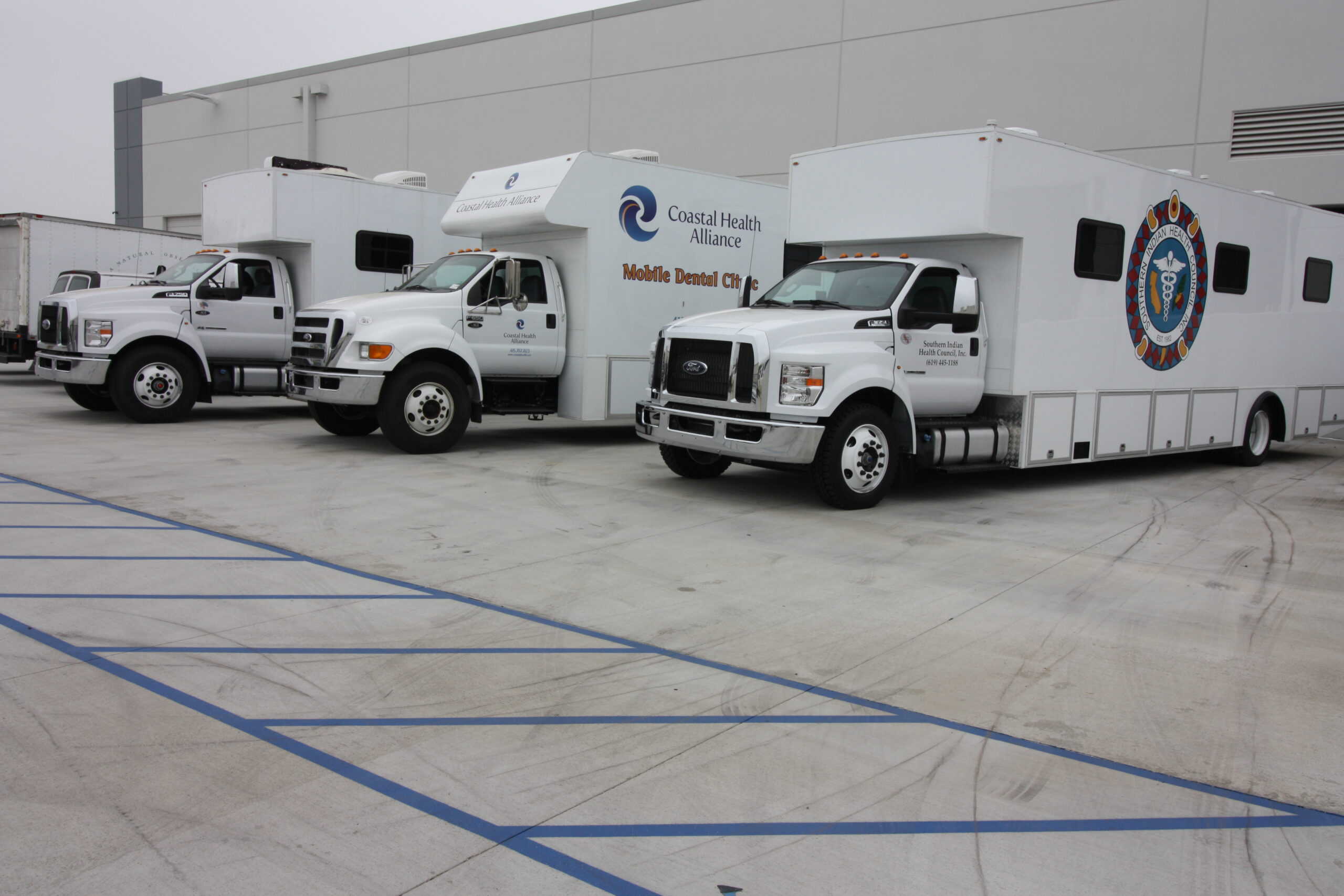
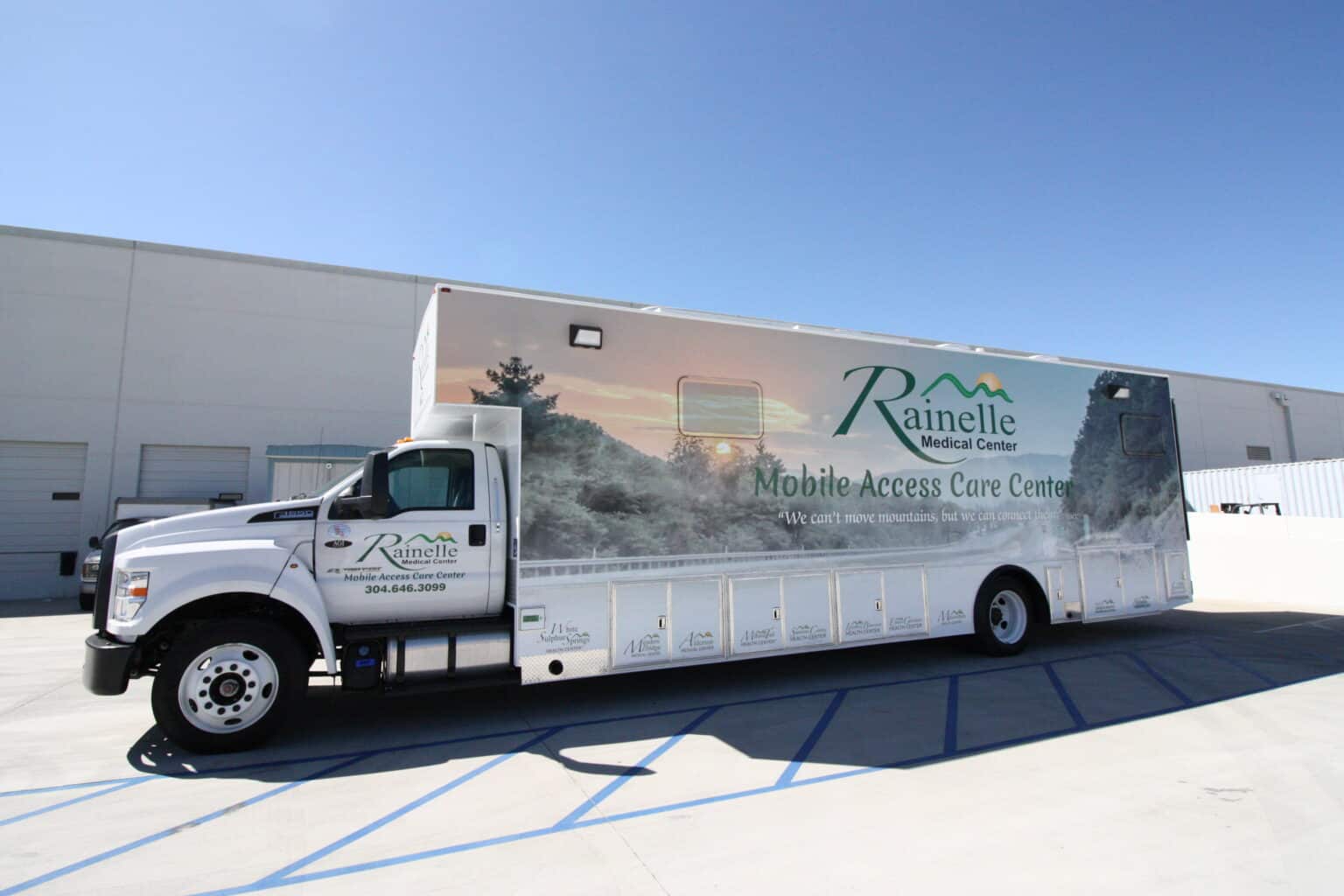
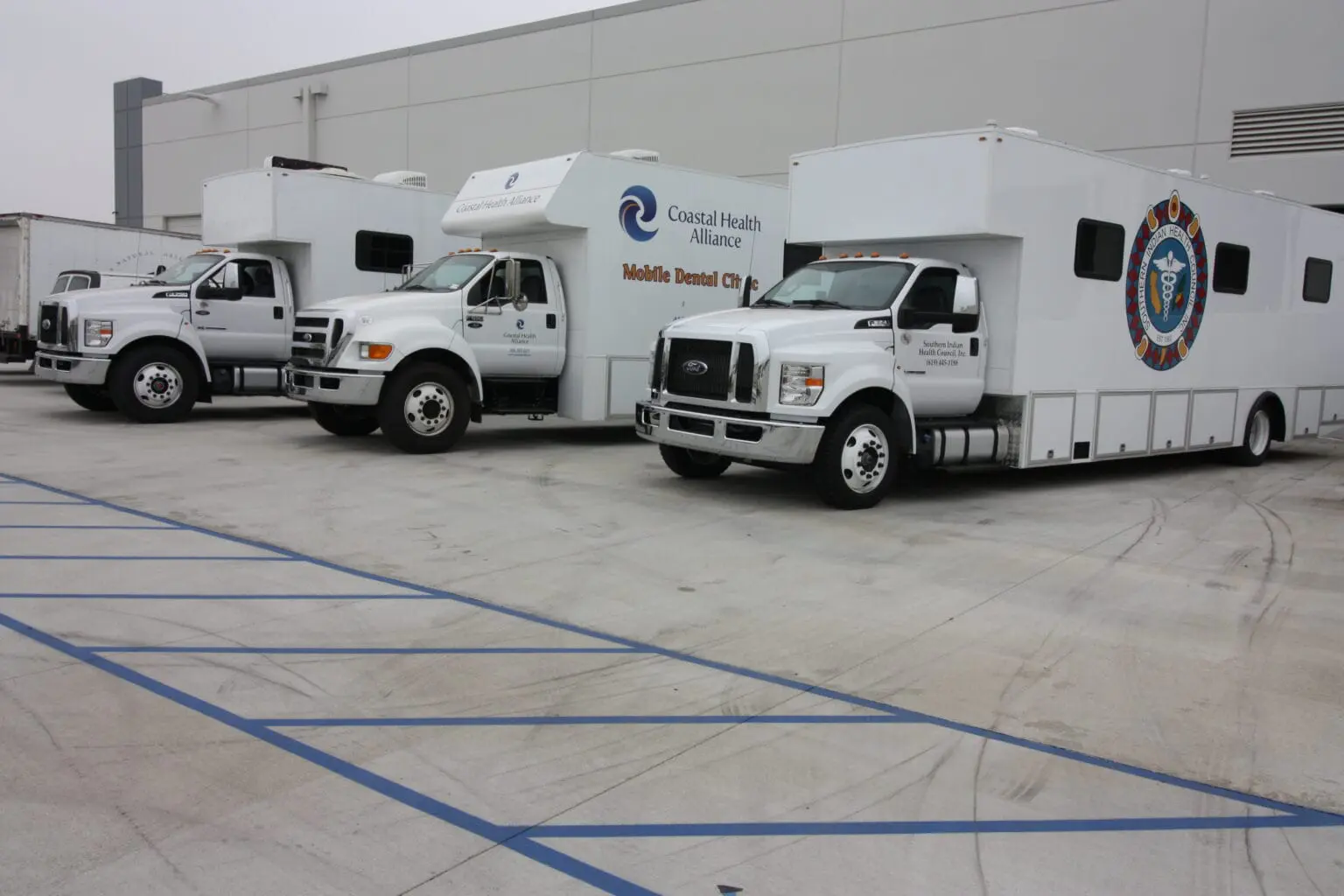
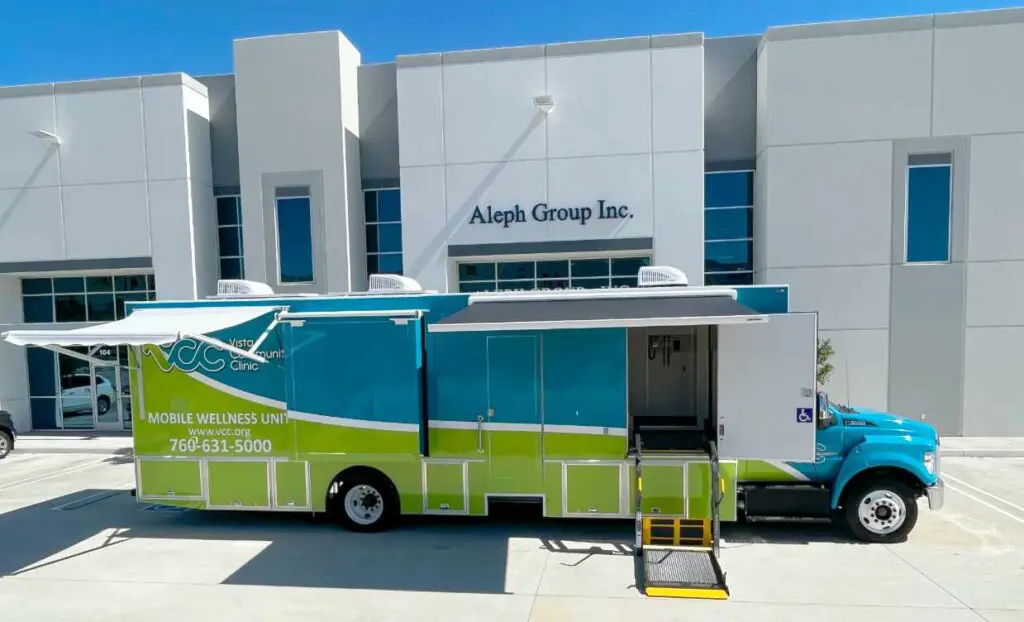
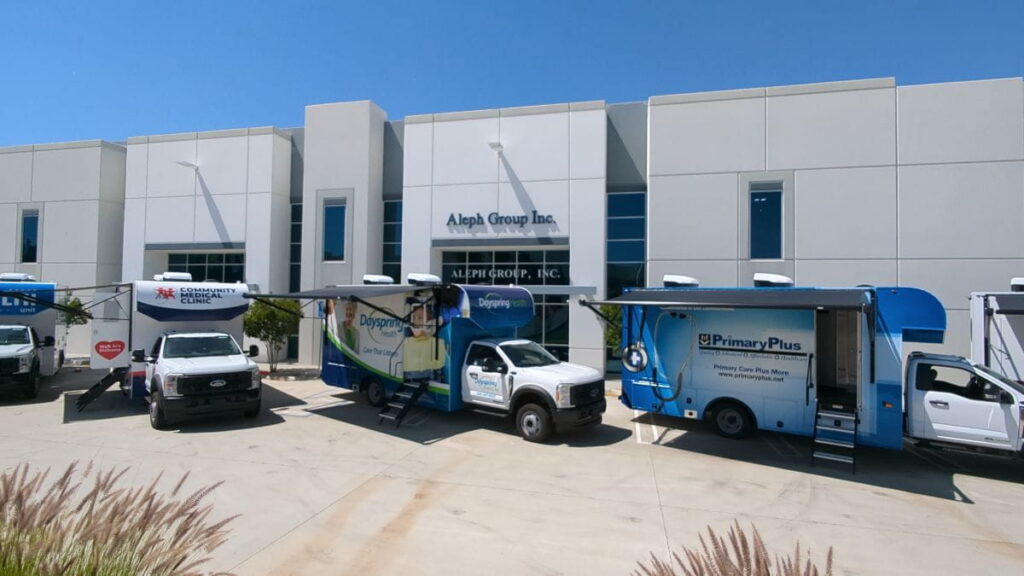
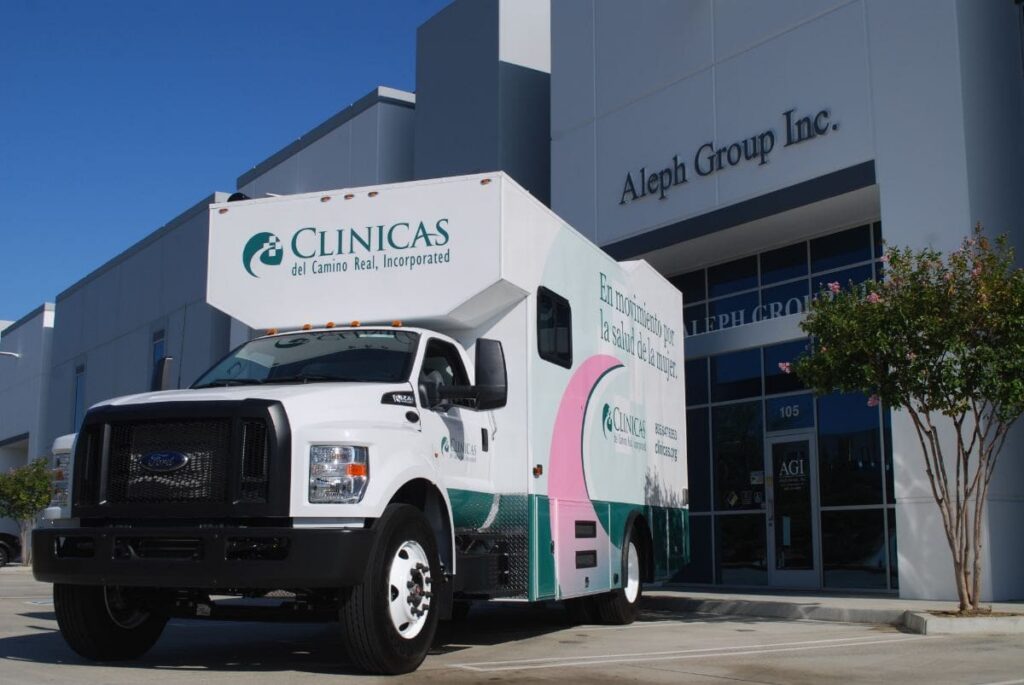
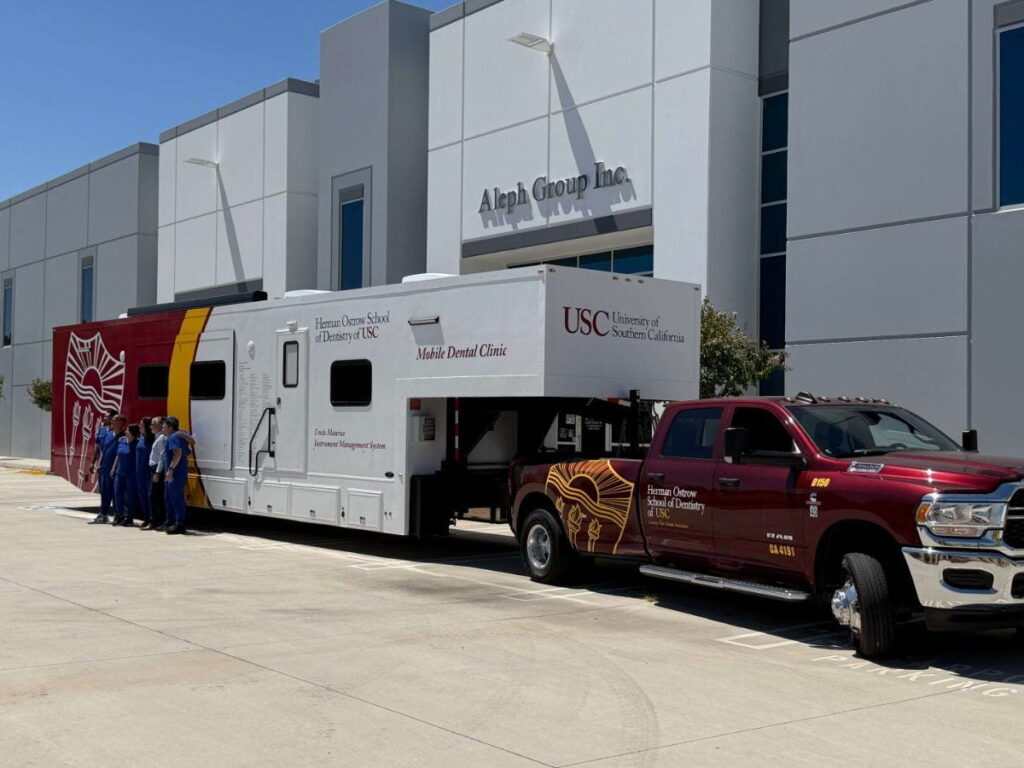
Aleph Group Inc. In Riverside, CA manufacturing mobile clinics since 1999Mobile medical clinics are designed to reach communities where healthcare facilities are scarce. Whether in rural areas, underserved neighborhoods, or remote regions, these units are on wheels and can go where the need is greatest. This increased accessibility has been a lifeline for individuals who may otherwise have to travel long distances to receive medical care.
Timely Preventative Care
Preventative care is a cornerstone of public health, and mobile medical clinics are on the frontlines of this effort. They offer services such as vaccinations, cancer screenings, and health education to help communities prevent illnesses before they become severe. Regular check-ups and early detection save lives and reduce healthcare costs.
Convenience for Vulnerable Populations
Mobile medical clinics are particularly beneficial for vulnerable populations, including the elderly, disabled, and those with limited mobility. By bringing healthcare to their doorstep, these clinics alleviate the need for individuals to navigate transportation challenges or face discomfort in a traditional healthcare setting. This convenience encourages more people to seek the care they need.
Emergency Response
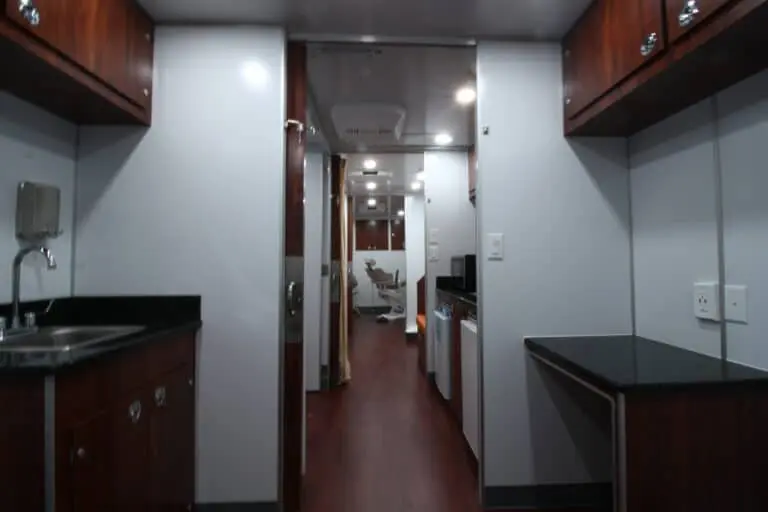
Mobile medical clinics play a vital role during emergencies and disasters. They can be rapidly deployed to provide immediate medical assistance to victims of natural disasters, accidents, or other critical situations. These units are equipped to handle injuries, administer first aid, and offer psychological support, helping communities to recover faster.
Health Education
Health education is a crucial aspect of community well-being. Mobile clinics often have dedicated staff to educate communities about healthy living, nutrition, and disease prevention. This empowers individuals to make informed decisions about their health and well-being.
Culturally Sensitive Care
Mobile medical clinics are known for their cultural competence. They often have staff who understand the unique needs of the communities they serve, including language and cultural sensitivities. This ensures that healthcare is delivered in a way that respects and acknowledges the diverse backgrounds of patients.
Lowering Healthcare Costs
By focusing on preventative care and early intervention, mobile medical clinics help reduce healthcare costs in the long run. Treating illnesses at an earlier stage is not only more effective but also less expensive than dealing with advanced conditions that require extensive medical interventions.
Supporting Chronic Disease Management
Chronic diseases such as diabetes and hypertension are pervasive in the United States. Mobile clinics provide an essential service by monitoring and helping individuals manage these conditions. Regular check-ups, medication management, and lifestyle advice all contribute to better health outcomes for those with chronic illnesses.Aleph Group Inc. Delivering solutions around the world
Community Building
Mobile medical clinics also play a significant role in community building. They foster a sense of belonging, trust, and solidarity among residents. The healthcare providers and staff often become familiar faces in the community, making it easier for residents to access healthcare and support.
Conclusion
Mobile medical clinics have a profound and positive impact on communities throughout the United States. By increasing accessibility, delivering preventative care, supporting vulnerable populations, and offering emergency response, they contribute to better health outcomes and overall community well-being. These mobile units embody the spirit of healthcare as a human right, ensuring that everyone can lead a healthy and fulfilling life, regardless of their circumstances. As these clinics continue to grow and expand, they will undoubtedly play an even more significant role in improving the health of underserved communities in the United States.By: Jales A. De MelloFounder President
Don't start your RFP from scratch. Contact our procurement team today to receive customizable technical specifications, engineering layouts, and compliance documentation tailored to your upcoming project.