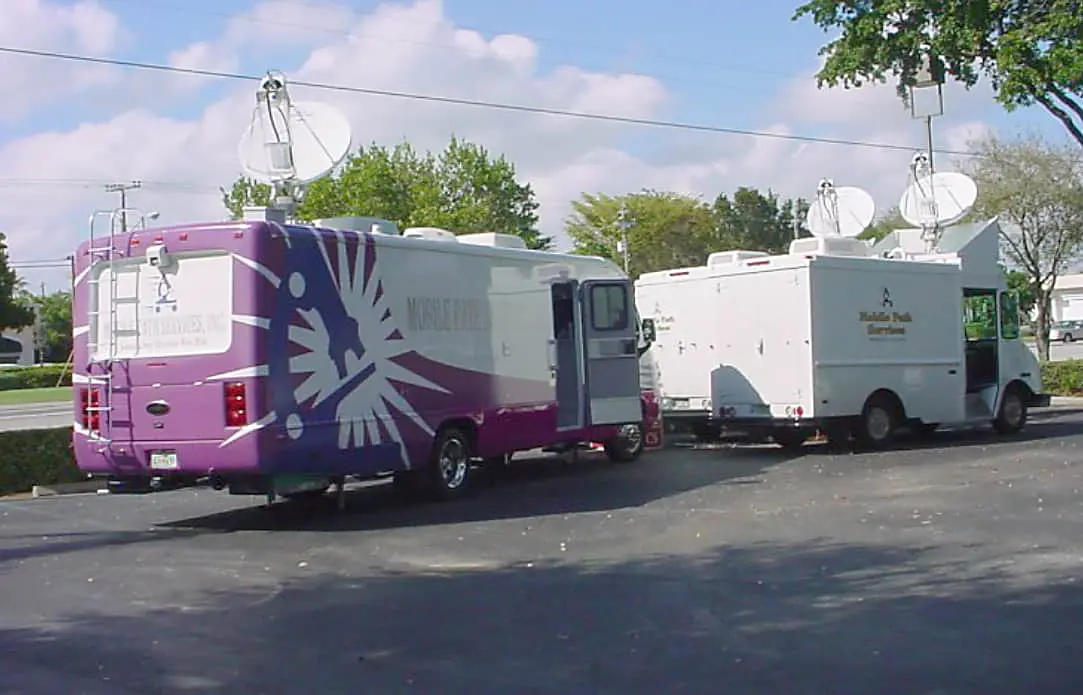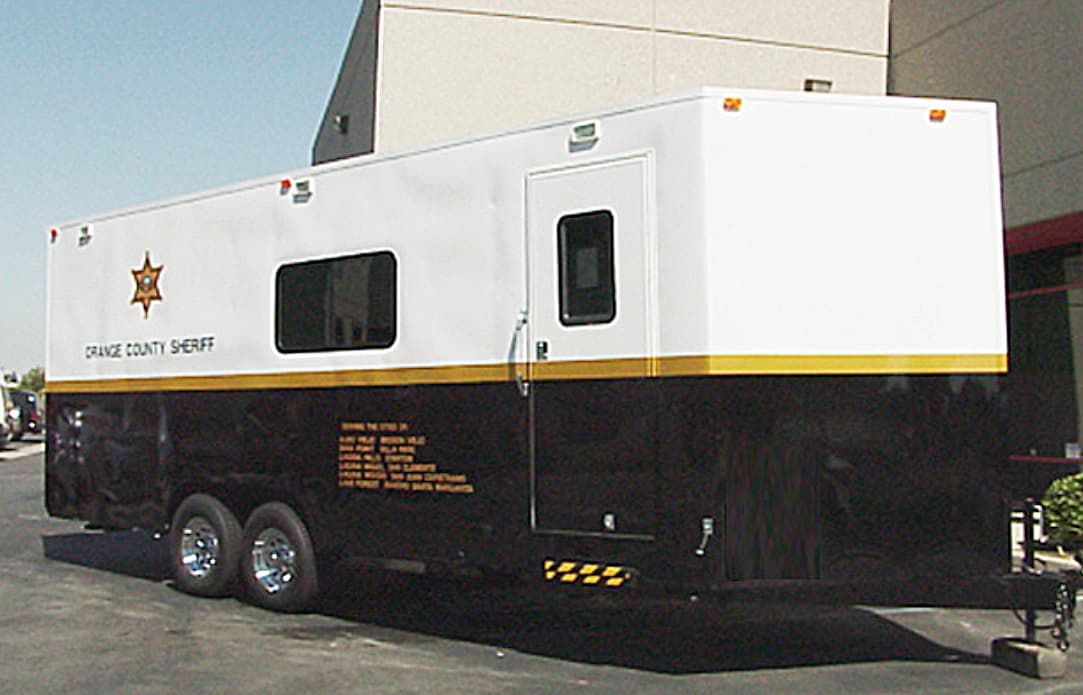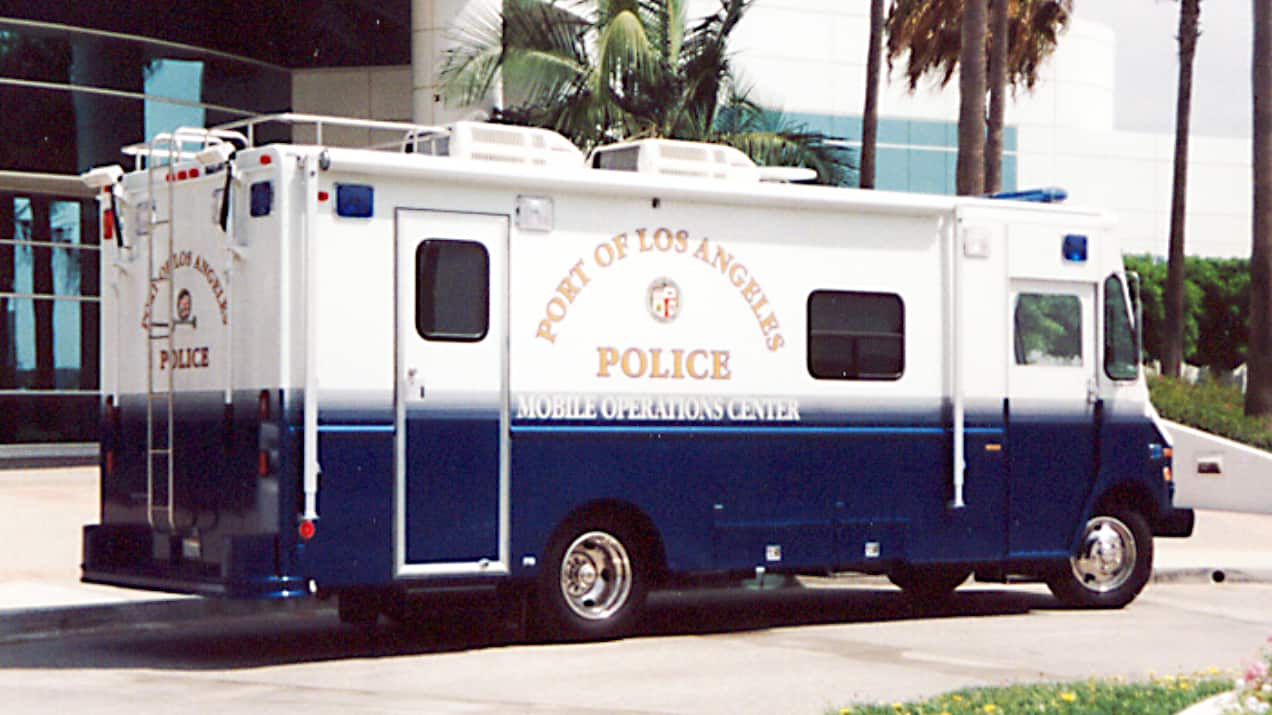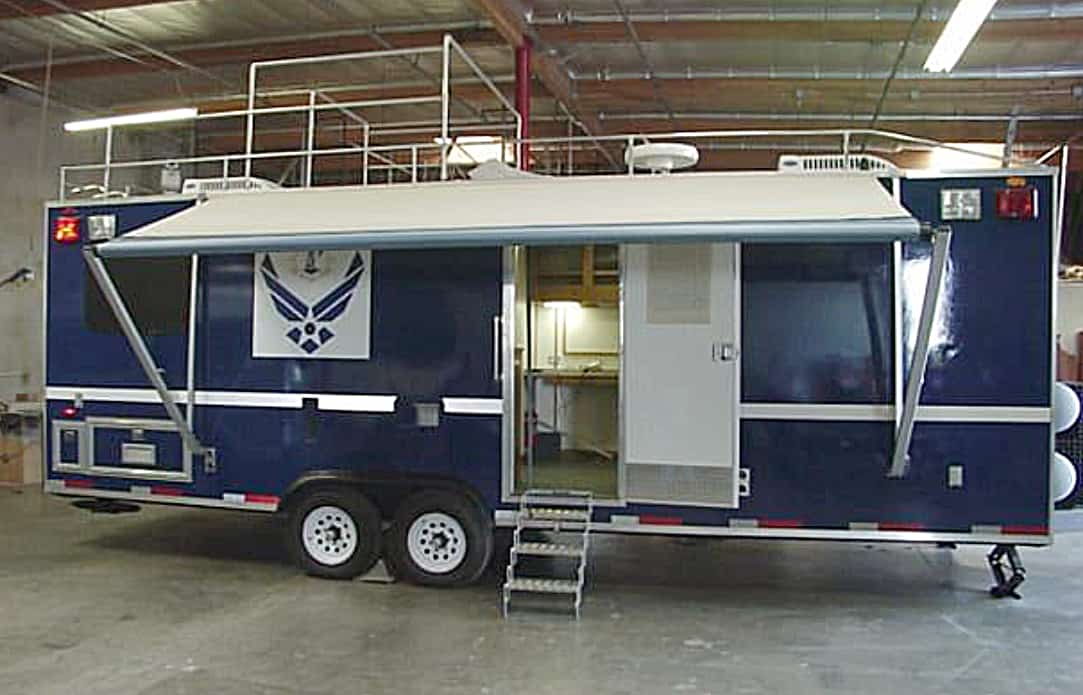
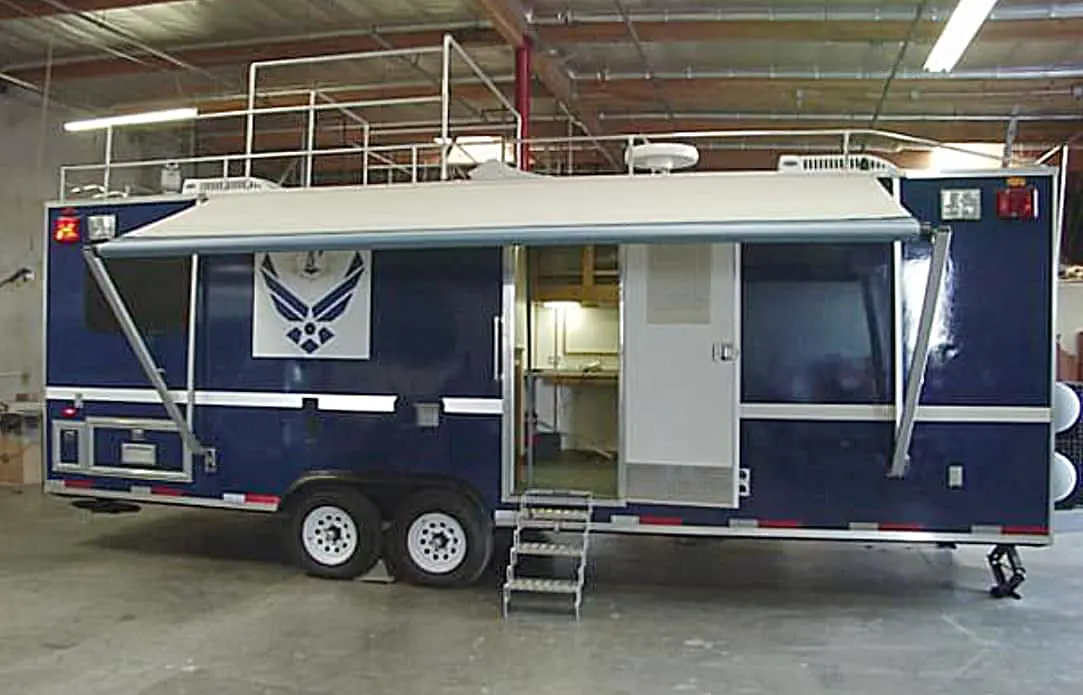
A Mobile Command Center is built for quick deployment during emergencies. Its mobility enables strategic positioning at or near an incident scene, supporting rapid, effective response and situational management. This flexibility proves essential in a wide range of scenarios—from natural disasters to urban crises—allowing first responders to operate efficiently in diverse environments.
MCCs are equipped with advanced communication technologies, including satellite dishes, cellular routers, and Wi-Fi connections, ensuring seamless connectivity even in remote or challenging environments. They serve as a central hub for coordination between different emergency response teams such as medical and fire. This integration of technology makes MCCs indispensable for effective communication and operation during emergencies.
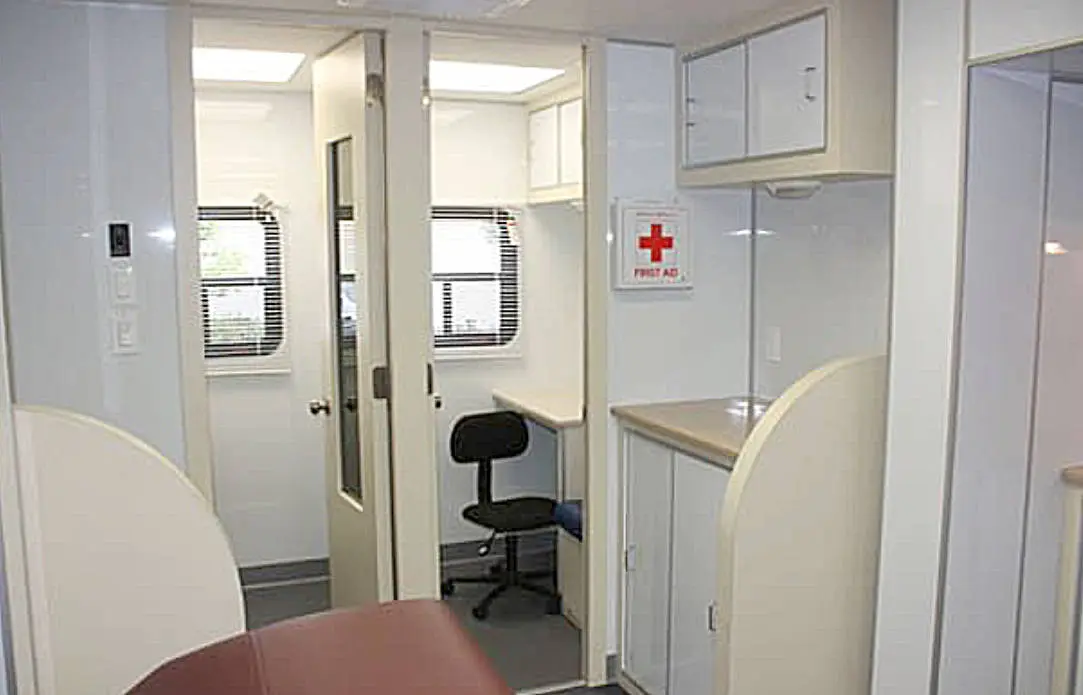
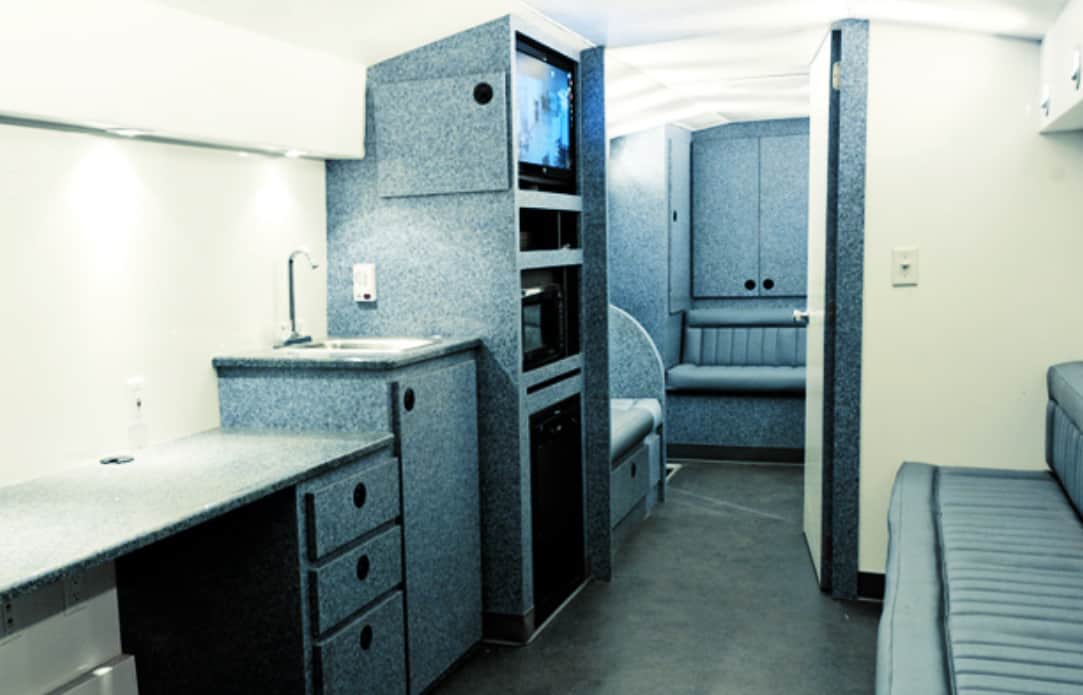
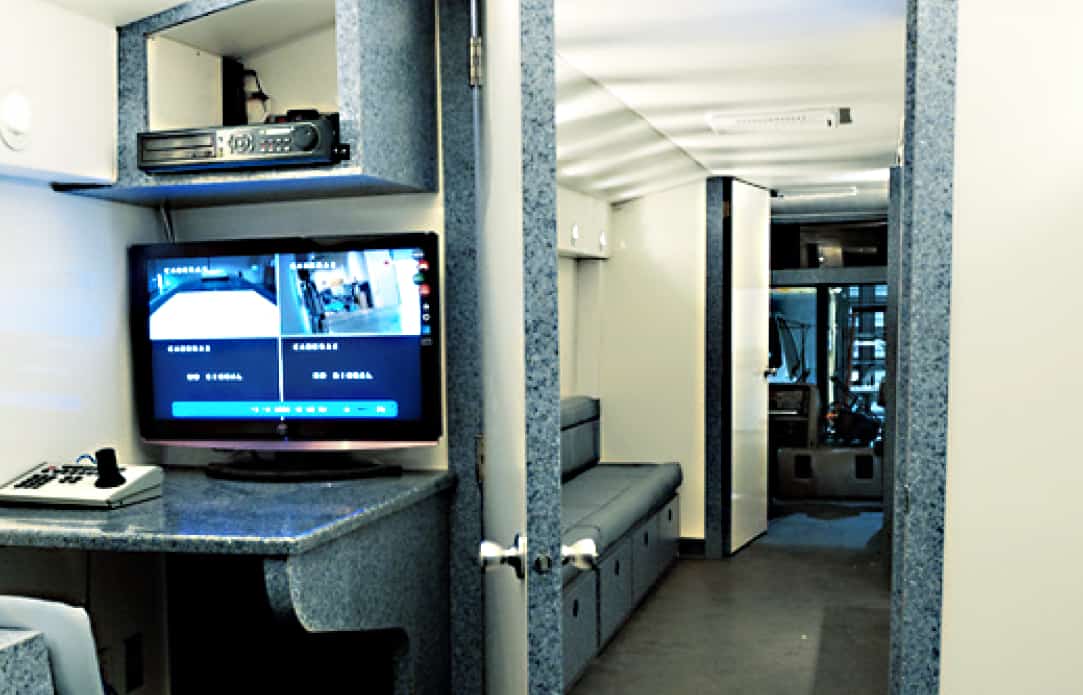
Each MCC can be customized according to specific needs, whether for handling natural disasters, public emergencies, or localized incidents. They typically include multiple workstations, a conference area, video surveillance, and climate control, ensuring a comprehensive and adaptable solution for various operational requirements. This customization enhances the MCC’s ability to cater to diverse emergency scenarios, making it a versatile tool for public safety and response teams.
MCCs utilize specialized first responder networks to ensure reliable communication during emergencies, preventing network congestion and maintaining critical communication lines. They also play a significant role in increasing access to underserved communities and remote areas, providing essential services and support where traditional facilities might be unavailable or ineffective. This enhanced accessibility is vital for extending emergency services and support to broader segments of the population.